

Nestled within the rolling hills and misty glens of Scotland lies a confectionery gem that has charmed taste buds for generations: the tiny Scottish tart. Though diminutive in size, these little pastries pack a symphony of flavors that tell stories of heritage, craftsmanship, and local tradition. In this article,we embark on a delightful journey to uncover the origins,unique ingredients,and cultural importance of the tiny Scottish tart-a sweet treasure frequently enough overshadowed by its larger counterparts but deserving of its own spotlight. Prepare to discover how this modest treat encapsulates the heart of Scottish baking,blending history and flavor in every bite.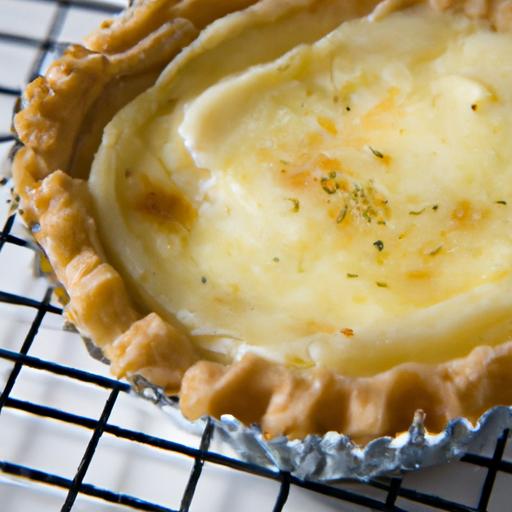
The Origins and Cultural Significance of the Tiny Scottish Tart
The Delightful World of the Tiny Scottish Tart invites us on a journey deep into Scotland’s culinary heritage, where this charming little pastry holds a place far greater than its size suggests. Born from humble beginnings in the historic kitchens of Highland estates and bustling market towns, the tiny Scottish tart embodies centuries of tradition, craftsmanship, and the warmth of Scottish hospitality. I remember first encountering these delicate treats at a local Highland festival-each bite was a nostalgic whisper of buttery crust,sweet and fruity filling,and a hint of warming spice that perfectly captured the essence of Scottish culture.
Prep and Cook Time
- Readiness: 20 minutes
- Cooking: 15 minutes
- Total: 35 minutes
Yield
Makes approximately 12 tiny Scottish tarts
Difficulty Level
Medium – Excellent for bakers with some experience in pastry-making
Ingredients
- 1 ½ cups all-purpose flour, sifted
- ½ cup unsalted butter, cold and cubed
- 1/4 cup granulated sugar
- 1 large egg yolk
- 2-3 tbsp ice cold water
- 1 cup seedless raspberry jam (for authentic Scottish flavor)
- 1 tbsp fresh lemon juice
- 1 tsp ground cinnamon
- 1/2 tsp ground nutmeg
- Powdered sugar for dusting (optional)
Instructions
- Prepare the pastry: In a mixing bowl, combine the sifted all-purpose flour and sugar.Add the cold, cubed butter and rub it gently into the flour with your fingertips until the mixture resembles coarse breadcrumbs.
- Add egg yolk and water: Stir in the egg yolk and 2 tablespoons of ice cold water. Gently bring the dough together-add the remaining tablespoon of water if the dough is too dry. Avoid overworking it to keep the pastry tender.
- Chill the dough: form the dough into a disc,wrap it in cling film,and chill it in the refrigerator for at least 30 minutes to relax the gluten and make rolling easier.
- Preheat the oven: Set to 375°F (190°C) and grease a 12-hole mini tart tin or muffin tray.
- Roll and shape: On a lightly floured surface, roll the pastry out to approximately 3mm thickness. Cut out 3-inch circles using a fluted cutter. Press each circle into the tart tin,trimming away any excess pastry.
- Mix the filling: In a bowl, combine the raspberry jam, lemon juice, cinnamon, and nutmeg for a delightfully spiced filling that balances sweetness and warmth.
- Fill the tart shells: Spoon about a teaspoon of the jam mixture into each pastry case, spreading evenly but leaving a small border.
- Bake: Place the tart tin in the oven and bake for 12-15 minutes or until the pastry is golden brown and crisp.
- Cool and serve: Allow the tarts to cool for 10 minutes in the tray, then carefully remove and dust with powdered sugar for a classic Scottish finish.
Tips for Success
- Cold butter is key: Ensuring the butter remains cold throughout the pastry-making process creates the desired flaky texture.
- Jam combination options: For a twist, try customary Scottish blackcurrant or damson jams for different regional flavors.
- Make-ahead tip: Pastry shells can be baked in advance and stored airtight for up to 3 days; add fresh filling just before serving to retain texture.
- Glaze idea: Brush the tart edges with a lightly beaten egg before baking for a shiny,golden crust.
- prevent sogginess: Avoid overfilling and ensure jam isn’t too runny to keep the crust crisp.
Serving Suggestions
These tiny Scottish tarts shine best when served warm or at room temperature, paired with a dollop of clotted cream or a swirl of lightly whipped vanilla cream.A sprinkle of crushed toasted almonds or a few fresh raspberries on top adds a fresh, textural contrast. Pair with a steaming cup of Scottish breakfast tea or a rich Highland coffee to embrace the full spirit of this heritage treat. For an elegant touch, serve on vintage bone china plates that highlight the tarts’ golden hues.

Nutritional Information per Tart
| Calories | Protein | Carbohydrates | Fat |
|---|---|---|---|
| 120 kcal | 2 g | 18 g | 5 g |
For further exploration into traditional scottish desserts, visit our Traditional scottish Desserts roundup.To deepen your knowledge about Scottish culinary history, the Encyclopaedia Britannica offers a extensive overview.
Exploring the Traditional Ingredients and Unique Baking Techniques
of the tiny Scottish tart reveals a charming story of time-tested flavors and artisanal craftsmanship. This delicate pastry, steeped in Scottish heritage, stands out not just for its irresistibly buttery crust and rich, caramelized filling, but for the thoughtful way each element comes together. Known for its tender, flaky shell and luscious custard center, this miniature tart is a perfect balance of sweetness and texture and captures the essence of Scotland’s baking artistry.
Diving into the tiny Scottish tart offers a glimpse into the regional ingredients that shape its character-golden butter from lush pastures,stone-ground flour for the crust,and a fragrant hint of heather honey or treacle lending depth to the filling. The baking technique is equally critically important, involving precise-yet simple-steps that coax out a flaky base without sogginess and a filling that sets to a creamy, melt-in-your-mouth consistency. Each tart is a small masterpiece, inviting bakers to engage with tradition in the most appetizing way.
Prep and Cook Time
Preparation: 25 minutes
Resting time: 30 minutes (for pastry chilling)
Baking: 20-25 minutes
Total: Approximately 1 hour 20 minutes
Yield
Makes 12 tiny Scottish tarts (approx.3-inch diameter each)
Difficulty Level
Medium: Requires pastry skills but approachable with detailed instructions.
Ingredients
- 1 1/4 cups all-purpose flour, sifted
- 1/2 cup cold unsalted butter, cubed
- 3 tbsp caster sugar
- 1/4 tsp fine sea salt
- 1 large egg yolk
- 2 tbsp cold water
- 3/4 cup golden syrup or heather honey
- 1/2 cup heavy cream
- 1 large egg
- 1 tsp vanilla extract
- 1/4 tsp finely grated lemon zest
- A pinch of ground nutmeg (optional)
Step-by-Step instructions
- Prepare the Pastry: In a large bowl, rub the cold butter into the sifted flour, sugar, and salt using your fingertips until the mixture resembles coarse breadcrumbs. This method ensures a flaky crust by keeping the butter cold and well-distributed.
- Add egg yolk and cold water: Make a well in the center, add the egg yolk and water, and slowly bring the dough together using a butter knife or your hands-avoid overworking to prevent toughness.
- Chill the Dough: Shape the dough into a disc,wrap it in cling film,and refrigerate for at least 30 minutes. Chilling firms the dough, making it easier to roll and helping the butter to relax for perfect flakiness.
- Roll and Cut: on a lightly floured surface, roll out the dough to about 3mm thickness. Using a 3-inch round cutter, cut circles and gently place them into a greased tartlet tin, pressing into the edges without stretching.
- Blind Bake the Shells: Line tart shells with parchment paper and fill with baking beans. Bake in a preheated 350°F (175°C) oven for 12-15 minutes until the edges are golden. Remove beans and paper, then bake for another 3 minutes to dry the base.
- Prepare the Filling: In a bowl, whisk together the golden syrup (or heather honey), cream, egg, vanilla extract, lemon zest, and nutmeg until smooth and glossy-this filling embodies the tart’s signature rich flavor.
- Fill and Bake: Pour the filling carefully into the warm pastry shells, filling them nearly to the top. return to the oven and bake for another 10-12 minutes, or until the custard is just set but still slightly wobbly in the center.
- Cool Completely: allow the tarts to cool in the tin for 10 minutes before transferring to a wire rack. Cooling encourages the filling to firm up and the crust to crisp perfectly.
Tips for Success: Crafting the Perfect Tiny Scottish Tart
- For an ultra-flaky crust, keep your butter chilled and avoid over-mixing the dough.
- Sifting flour ensures a lighter, more delicate texture for the pastry shell.
- If substituting honey, choose a mild-flavored variety; strong-flavored honey can overpower the filling.
- To make ahead, prepare tart shells up to the blind baking stage, chill, then fill and bake fresh on serving day.
- Don’t overbake the filling; a slight jiggle means the custard will settle perfectly as it cools.
Baking techniques and Ingredient Highlights
The key to the tiny Scottish tart’s allure lies in the combination of a buttery, crumbly pastry and a custardy, syrup-sweetened filling. The traditional step of blind baking prevents sogginess by sealing the crust early, while letting the filling bake gently ensures it keeps its velvety texture. Golden syrup or heather honey adds a uniquely Scottish sweetness that sets this tart apart from other custard-based bakes. The hint of lemon zest and optional nutmeg brighten the flavor, making each bite a harmony of rich, fragrant, and fresh notes.
Serving Suggestions
Serve these tiny Scottish tarts warm or at room temperature, nestled on a rustic wooden board or delicate doilies for a traditional feel. Garnish with a light dusting of powdered sugar and a small sprig of fresh mint or a few edible heather blossoms for an authentic Scottish touch. Pair with a dollop of freshly whipped cream or a scoop of vanilla bean ice cream to elevate the experience. These little tarts also shine as part of an afternoon tea spread, accompanied by a pot of robust scottish breakfast tea or a light drizzle of warmed cream.

| Nutrient | Per Tart |
|---|---|
| Calories | 185 |
| protein | 2.5 g |
| Carbohydrates | 22 g |
| Fat | 10 g |
For further inspiration on baking with traditional Scottish ingredients, check out our Heritage Scottish Breads post. To deepen your understanding of syrup-based fillings, visit the Encyclopedia Britannica’s golden syrup overview.
Pairing Suggestions to Elevate Your Tiny Scottish Tart Experience
Pairing your tiny Scottish tart with complementary flavors can truly transform this humble yet enchanting treat into a memorable culinary experience. originating from the heart of Scotland, these delicate pastries bring together flaky crusts with luscious fruity or custard fillings that sing with warmth and nostalgia. Imagine savoring these bite-sized treasures alongside carefully chosen accompaniments that highlight their unique sweetness and texture.
Prep and Cook Time
Preparation: 20 minutes
Cooking: 15 minutes
Total Time: 35 minutes
Yield
Makes approximately 18 tiny Scottish tarts
Difficulty Level
Easy – Perfect for beginners and seasoned bakers alike
Ingredients
- 1 ½ cups all-purpose flour, sifted
- 1/2 cup unsalted butter, cold and cubed
- 1/4 cup caster sugar
- 1 large egg yolk
- 2 tablespoons cold water
- 3/4 cup jam (traditionally raspberry or blackcurrant)
- Powdered sugar for dusting
Instructions
- Prepare the pastry: In a large bowl, combine the all-purpose flour and caster sugar. Rub in the cold unsalted butter until the mixture resembles fine breadcrumbs.
- Add the egg yolk and water: Mix gently until the dough begins to come together, but avoid overworking it to keep the pastry tender.
- Chill: Wrap the dough in cling film and chill in the refrigerator for at least 30 minutes to make it easier to handle.
- Preheat the oven: Set to 375°F (190°C) and grease a mini tart tin or muffin tray thoroughly.
- Roll and cut: On a lightly floured surface, roll the pastry to about 3mm thickness. Use a small round cutter (about 7cm diameter) to cut circles, then press them into the tart tins.
- Fill: Spoon a generous half teaspoon of jam into each pastry case, spreading gently but leaving edges clear.
- Bake: Place the tray in the oven and bake for 12 to 15 minutes, until the pastry is golden and crisp.
- Cool and finish: Remove from the oven and cool the tarts on a wire rack. Once cooled,dust lightly with powdered sugar for that classic look and delicate sweetness.
Chef’s Notes: Tips for Success
- For variation: Try substituting raspberry jam with Scottish heather honey for a richer, floral note.
- Crust perfection: Use chilled ingredients and work quickly to keep the butter cold-this is key to a flaky,buttery crust.
- Make ahead: Dough can be prepared a day in advance and refrigerated, making assembly quick and stress-free.
- Troubleshooting: If the edges brown too quickly, cover them loosely with foil halfway through baking to prevent burning.
Serving Suggestions to Elevate Your Tiny Scottish Tart Experience
Now that your tiny Scottish tarts are beautifully baked and glistening with jam,consider pairing them with:
- A dollop of clotted cream or lightly whipped cream,which adds a velvety richness that balances the tart sweetness – perfect for afternoon tea.
- Fresh berries like raspberries or blackberries that echo the jam’s fruity profile while adding a fresh, juicy burst with every bite.
- A cup of strong scottish breakfast tea,brewed to perfection,which complements the buttery pastry and sweet filling with its robust flavor.
- A drizzle of single malt Scotch whisky caramel sauce for an indulgent twist, ideal for special occasions or festive gatherings.
For a stunning presentation, arrange the tarts on a tiered cake stand, sprinkle edible rose petals or finely chopped mint leaves around, and serve alongside a crystal-clear glass of elderflower cordial. This setup not onyl enchants the eye but invites your guests to savor the rich heritage wrapped in each bite.
| Nutritional Info | Per Tart |
|---|---|
| Calories | 125 kcal |
| Protein | 2 g |
| Carbohydrates | 18 g |
| Fat | 5 g |
Ready to explore even more traditional Scottish treats? Check out our Scottish Shortbread Recipe – a perfect companion on your culinary journey. For more on the history and engaging details about Scottish pastries, visit britannica’s Scottish Cuisine Guide.

Tips for Crafting Perfectly Flaky and Flavorful Scottish Tarts at Home
Scottish tarts captivate with their uniquely flaky crust and sweet, fruity filling that transports you straight to the rolling hills and quaint kitchens of Scotland. Mastering the art of making these delicate treats at home is a rewarding experience, especially when you savor the buttery layers that melt effortlessly with each bite. This recipe embraces traditional techniques alongside modern kitchen wisdom to help you achieve perfectly flaky and flavor-filled Scottish tarts every time.
Prep and Cook Time
Preparation: 30 minutes
Cooking: 25 minutes
Total: 55 minutes
Yield
makes 12 individual tartlets
Difficulty Level
Medium – perfect for home bakers eager to refine their pastry skills
Ingredients
- 2 cups all-purpose flour, sifted
- 1/4 cup granulated sugar
- 1/2 tsp salt
- 3/4 cup unsalted butter, chilled and diced
- 1 large egg, beaten
- 1-2 tbsp cold water (as needed)
- 1/2 cup seedless raspberry jam or traditional Scottish marmalade
- 1/2 cup fresh currants or mixed berries (optional)
- 2 tbsp powdered sugar, for dusting
Instructions
- Prepare the pastry. In a large bowl, combine the flour, sugar, and salt. Add the chilled butter cubes and rub between your fingers until the mixture resembles coarse breadcrumbs. The key to flaky pastry is to work quickly and keep everything cold.
- Bind the dough. Stir in the beaten egg, then slowly add cold water, a teaspoon at a time, until the dough just comes together. Avoid overworking; a light touch preserves the delicate crumb.
- Chill the dough. Wrap the dough in cling film and place it in the fridge for at least 30 minutes. This resting time relaxes the gluten, making rolling out easier and helping the pastry retain its structure during baking.
- Roll and shape. Lightly flour your surface and roll the dough to about 1/8 inch thick. Using a tartlet cutter or glass (3 inches diameter), cut out rounds and gently press them into a tartlet tray or muffin tin, ensuring the dough lines the edges evenly.
- Add the filling. spoon a generous teaspoon of your chosen jam into each tart shell. If desired, scatter a few fresh currants or berries on top to add texture and a burst of tartness.
- Bake to perfection. Preheat your oven to 375°F (190°C). Bake the tarts for 20-25 minutes until the edges are golden and the jam is bubbling gently.
- Cool and finish. Once out of the oven, allow tarts to cool in the tray for 10 minutes before transferring to a wire rack. Dust with powdered sugar just before serving for that classic finishing touch.
Tips for Success with Scottish Tarts
- Keep ingredients chilled at every step,especially butter and water,to ensure flakiness.
- Don’t overwork the dough; mix gently to prevent tough pastry.
- use a well-floured surface when rolling out dough to prevent sticking and tearing.
- Rest your dough as recommended – it significantly improves texture and ease of shaping.
- Customize fillings by swapping jam varieties-blackcurrant, rhubarb, or even spiced apple work beautifully.
- Make ahead: you can assemble and refrigerate tarts up to 24 hours before baking. Bring back to room temperature before placing them in the oven for even cooking.
- Troubleshooting: If your crust shrinks during baking, make sure its rested well and avoid excessive stretching while lining your tins.
Serving Suggestions
Enjoy these delightful Scottish tarts warm or at room temperature-pair them with a dollop of clotted cream or a light dusting of cinnamon sugar. For an afternoon tea affair, arrange them on a tiered stand with shortbread cookies and a pot of strong Scottish breakfast tea. Garnish with fresh mint leaves or a few extra berries to add visual contrast and a refreshing note.
| Nutrient | Per Tartlet |
|---|---|
| Calories | 190 kcal |
| Protein | 2.5 g |
| Carbohydrates | 24 g |
| fat | 9 g |

For a deeper dive into traditional Scottish baking techniques and related tart recipes, check out our Traditional Scottish Desserts post. To explore the science behind pastry flakiness, this comprehensive guide from King Arthur Baking School is invaluable.
The Conclusion
As we close the crumb-covered chapter on the tiny Scottish tart, it’s clear that these petite pastries are much more than mere morsels-they are edible echoes of Scotland’s rich heritage, lovingly wrapped in flaky, buttery embrace. Each tart tells a story of tradition, craftsmanship, and the simple joy found in a perfectly baked bite.So whether you’re a seasoned tart connoisseur or a curious newcomer,the delightful world of these miniature marvels invites you to explore,savor,and celebrate a sweet slice of Scottish culture that’s as timeless as it is indeed tiny.
