
Few culinary adventures capture the heart and soul of Texas quite like the art of smoking a brisket. It’s more then just cooking; it’s a ritual steeped in tradition, patience, and passion. Mastering Texas-style smoked brisket is a flavorful journey that transforms a humble cut of beef into tender, smoky perfection-a true testament to the slow dance between fire and time. In this article, we’ll unravel the secrets behind this iconic dish, exploring the techniques, spices, and storytelling that make every bite a celebration of Texas heritage and barbecue mastery. Whether you’re a backyard pitmaster or simply a curious foodie,prepare to embark on a savory expedition that will forever change the way you savor smoked brisket.
Selecting the Perfect Cut for Authentic Texas Brisket
Mastering Texas-Style Smoked Brisket begins with choosing the right cut-a process that sets the foundation for rich flavor and tender texture. The ideal brisket is the whole packer, combining the flat and point muscles, typically weighing between 10 to 14 pounds.This ensures a perfect balance of lean meat and marbled fat, essential for a smoky, juicy end result.When buying, look for brisket with a firm texture and a generous fat cap about ¼ inch thick to help baste the meat during the long cooking process.
Don’t hesitate to ask your butcher to trim the brisket to remove excessive fat but leave enough to protect the meat during the smoke.Quality is key-opt for USDA Choice or Prime grades for that authentic Texas experience.
Crafting the Ultimate Dry Rub for Deep, Bold Flavor
The magic of smoked brisket lies in a bold yet simple dry rub that enhances the natural beef flavor without overpowering it. Combine coarse ground black pepper and kosher salt in roughly equal parts-this traditional Texas combo forms the backbone.
- 2 tbsp coarse black pepper
- 2 tbsp kosher salt
- 1 tbsp smoked paprika for a subtle smoky undertone
- 1 tsp garlic powder for savory depth
- 1 tsp onion powder for a mild sweetness
- Optional: ½ tsp cayenne pepper for a gentle kick
Generously coat the brisket all over and gently press the rub into the meat. Resting the seasoned brisket in the fridge overnight allows the flavors to deeply penetrate, setting it apart as the cornerstone of your smoking journey.
Mastering the Art of the Smoke: Wood Choices and Techniques
True mastery requires patience and understanding the nuances of smoke. Traditional Texas brisket calls for hardwoods like oak, which offers a steady, medium smoke flavor that won’t overwhelm the meat. You can blend oak with a hint of hickory or mesquite for added complexity, but keep mesquite minimal-it’s potent and can turn bitter if overused.
Maintain a consistent smoker temperature of 225°F to 250°F, using indirect heat to allow slow, even cooking. Smoke your brisket fat side up so the melting fat can self-baste through the meat, preserving juiciness. remember to avoid opening the smoker frequently, as steady smoke and heat are paramount for that classic bark and smoky aroma.
Achieving Tender Perfection with Patience and Precise Temperature Control
The magic of Mastering Texas-Style Smoked Brisket truly unfolds during the slow cook.After the rub and smoke infusion,wrap your brisket in butcher paper or foil once it hits an internal temperature around 160°F-this “Texas Crutch” traps moisture while allowing the bark to develop.
Cook gently until the internal temperature reaches 203°F, then rest the meat wrapped for at least an hour. This resting phase lets connective tissues break down fully,resulting in that coveted melt-in-your-mouth tenderness.
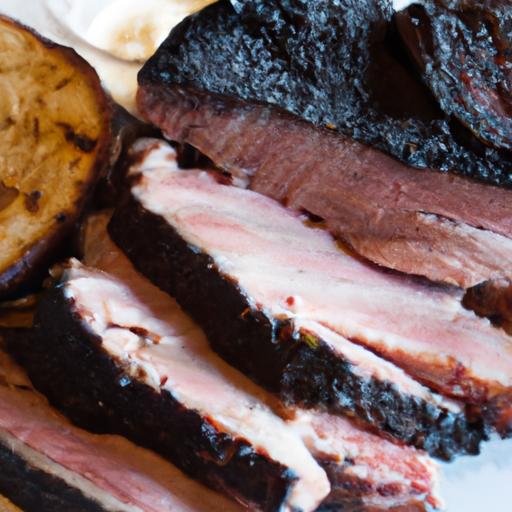
Patience is your best seasoning here; resisting the urge to cut early pays off with a brisket that slices beautifully with a dark bark, smoky edge, and juicy center.
Prep and Cook Time
- Prep: 20 minutes + 12-24 hours resting
- Cook: 10-14 hours smoking
- Rest: 1-2 hours
Yield
Serves 8-10 people generously
Difficulty Level
Advanced – requires dedicated time and temperature control
Ingredients
- 10-14 lbs whole packer brisket (flat and point), trimmed
- 2 tbsp coarse black pepper
- 2 tbsp kosher salt
- 1 tbsp smoked paprika
- 1 tsp garlic powder
- 1 tsp onion powder
- ½ tsp cayenne pepper (optional)
- Wood chunks for smoking (oak, hickory, mesquite blend)
- Butcher paper or heavy-duty aluminum foil
Instructions
- Trim and prepare: Remove any silver skin and excessive fat from the brisket, leaving a ¼ inch fat cap.
- Mix the dry rub: Combine black pepper, kosher salt, smoked paprika, garlic powder, onion powder, and cayenne in a bowl.
- Apply the rub: Generously and evenly coat the brisket on all sides, pressing the rub into the meat. Cover and refrigerate for 12-24 hours.
- Prepare the smoker: Preheat to 225°F-250°F, adding your chosen wood chunks for smoke.
- Smoke low and slow: Place brisket fat side up on the smoker grate. Maintain steady heat and smoke for approximately 6-8 hours until internal temp hits ~160°F.
- Wrap brisket: Remove brisket, wrap tightly in butcher paper or foil, and return to the smoker.
- Continue cooking: Cook until internal temperature reaches 203°F, usually an additional 4-6 hours.
- Rest the brisket: Remove, keep wrapped, and rest for 1-2 hours at room temperature.
- Slice and serve: Cut against the grain in thin slices, enjoying the perfect balance of bark, smoke, and tenderness.
Chef’s Notes
- For a visual guide, check our article on smoking techniques.
- Use a digital thermometer with a probe to monitor temperature accurately without opening the smoker.
- If you prefer a spicier rub, increase the cayenne cautiously to avoid overpowering flavors.
- Allow brisket to cool completely before slicing if making ahead; reheat wrapped in foil with a splash of beef broth to retain moisture.
- Experiment with wood blends but avoid softwoods like pine-they produce unpleasant flavors.
Serving Suggestions
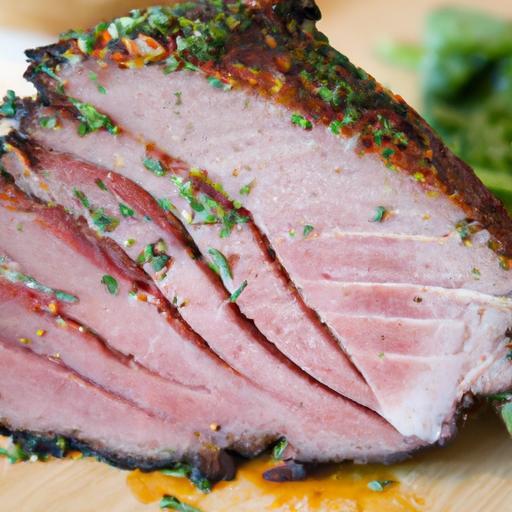
Plate the sliced brisket alongside classic Texas sides like creamy coleslaw, smoky baked beans, and freshly sliced white bread. Garnish with fresh chopped parsley or sliced pickles for a refreshing contrast. serve with your favourite BBQ sauce on the side, but remember: authentic Texas brisket shines best with minimal sauce, letting smoke and rub do the talking.

| Nutrient | Per Serving |
|---|---|
| Calories | 450 kcal |
| Protein | 38 g |
| Carbohydrates | 2 g |
| Fat | 32 g |
For more expert tips on regional BBQ traditions, visit Texas Monthly’s brisket guide.
Q&A
Q&A: Mastering Texas-Style smoked Brisket – A Flavor Journey
Q1: What makes Texas-style smoked brisket so unique compared to other barbecue styles?
A1: Texas-style smoked brisket stands apart because of its simplicity and respect for quality beef. Unlike heavily sauced or heavily spiced ribs, Texas brisket is all about the meat itself-the perfect cut, the tender smoke-infused bark, and a deep, smoky flavor developed over hours of slow cooking. The magic lies in the minimalism: a simple rub, hardwood smoke, and patience.
Q2: Which cut of beef is ideal for authentic Texas smoked brisket?
A2: The star of the show is the whole packer brisket, which includes both the flat and the point cuts. The flat is leaner, perfect for slicing, while the point is fattier and marbled, ideal for shredding or burnt ends. Procuring a brisket with good marbling makes all the difference-it ensures moisture and flavor during that long smoke.Q3: How crucial is the rub, and what are the typical ingredients for a Texas brisket rub?
A3: The rub is essential but never overpowering. Traditional Texas rubs are straightforward, consisting mainly of coarse kosher salt and black pepper, sometimes with a pinch of garlic powder or paprika. The simplicity allows the natural beef flavor to shine while forming a flavorful crust, or “bark,” during smoking.
Q4: What type of wood is best for smoking a brisket Texas-style?
A4: Native hardwoods like oak,pecan,or mesquite are quintessential in Texas brisket smoking. Oak is mild and smoky, mesquite packs a stronger, intense flavor, and pecan offers a subtle sweetness. Many pitmasters prefer oak for its perfect balance, but mesquite is a classic for that bold Texas punch.
Q5: Can you walk us through the smoking process? What temperatures and times are ideal?
A5: Patience is key! Texas brisket is smoked low and slow, typically at 225°F to 250°F. Depending on the size-usually an hour to an hour and a half per pound-it can take anywhere from 10 to 16 hours. The goal is a tender, juicy interior with a crispy, flavorful bark. Wrapping the brisket in butcher paper once it hits around 165°F-known as the stall-helps speed things along while preserving bark.
Q6: How do you know when the brisket is perfectly cooked?
A6: Temperature and feel guide the way. Aim for an internal temperature around 195°F to 205°F, where the connective tissues have broken down into melt-in-your-mouth goodness. The brisket should feel almost fork-tender but still firm enough to slice cleanly. Many pitmasters use the “probe test” – if the thermometer probe slides in and out with little resistance, it’s done.
Q7: what’s the secret to serving Texas brisket at its best?
A7: Resting is crucial! After smoking, let the brisket rest wrapped in foil or butcher paper and a towel for at least an hour. This allows juices to redistribute,giving moist,tender slices. Serve it simply-on its own, with pickles and white bread, or alongside classic sides like coleslaw and beans-to celebrate that rich, smoky flavor without distraction.
Q8: Any tips for beginners who want to embark on their own brisket flavor journey?
A8: Start with good quality meat and don’t rush the smoke. Experiment with rub ratios and wood types, but remember that technique trumps gadgets. Keep your smoker’s temperature steady, use a reliable thermometer, and embrace the process-each brisket teaches you something new. Most importantly, enjoy the journey as much as the flavorful destination!
Final Thoughts
As the smoky tendrils of Texas-Style smoked brisket linger long after the last bite, so too does the rich tradition and craftsmanship behind this iconic dish. Mastering the art of brisket isn’t just about following a recipe-it’s an evolving journey of patience,precision,and passion. With each smoke ring and tender slice,you’re not only capturing the flavors of the Lone Star State but also honoring a timeless culinary heritage.So fire up your smoker, embrace the ritual, and let your brisket tell its own flavorful story-because in the world of smoked meats, mastery is a journey savored one bite at a time.