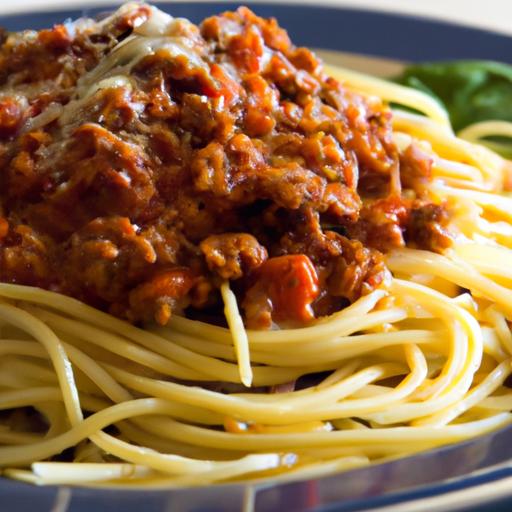

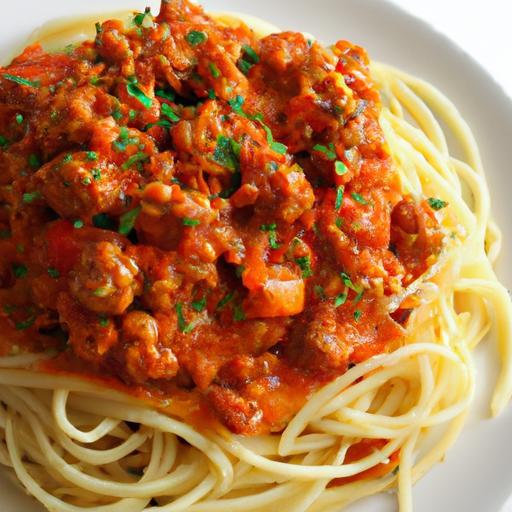
Ther’s something universally comforting about a steaming plate of spaghetti topped with rich, savory meat sauce-a classic dish that has graced dinner tables around the world for generations. But beyond its hearty appeal and familiar flavors lies a complex nutritional story waiting to be told. In this article, we peel back the layers of spaghetti with meat sauce to reveal its true nutritional profile, exploring how this beloved meal balances taste, energy, and health. Whether you’re a food lover, a nutrition enthusiast, or simply curious about what goes into your favorite comfort food, join us as we dive into the ingredients, calories, macronutrients, and health benefits hidden within every bite.
Spaghetti with meat sauce has long been a beloved classic, both comforting and satisfying. This dish perfectly balances rich, savory flavors with hearty textures, making it an ideal centerpiece for family dinners or cozy weeknight meals. When exploring the essential nutrients packed in spaghetti with meat sauce, you’ll discover it offers more than just taste-it provides a well-rounded profile of macronutrients and key vitamins that support your daily energy needs.
Prep and Cook Time
Planning: 15 minutes | Cooking: 40 minutes | Total: 55 minutes
Yield
Serves 4 generous portions
Difficulty Level
Easy – Perfect for cooks of all skill levels
Ingredients
- 12 oz dried spaghetti pasta
- 1 lb lean ground beef (90% lean)
- 2 tbsp olive oil
- 1 medium yellow onion, finely chopped
- 3 cloves garlic, minced
- 1 (28 oz) can crushed tomatoes
- 2 tbsp tomato paste
- 1 tsp dried oregano
- 1 tsp dried basil
- 1/2 tsp red pepper flakes (optional)
- Salt and freshly ground black pepper to taste
- 1/4 cup grated Parmesan cheese
- Fresh basil leaves for garnish
Instructions
- Cook the pasta: Bring a large pot of salted water to a boil. Add spaghetti and cook according to package directions until al dente. Reserve 1 cup pasta water,then drain and set aside.
- Prepare the sauce base: Heat olive oil in a large skillet over medium heat. Add onion and sauté until translucent, about 5 minutes. Stir in garlic and cook for an additional minute, releasing those fragrant aromas.
- Brown the meat: Add ground beef to the skillet. Break it up with a wooden spoon and cook until no longer pink, about 7 minutes. season with salt and pepper during cooking.
- Add tomatoes and seasoning: Stir in crushed tomatoes, tomato paste, oregano, basil, and red pepper flakes (if using). Bring to a gentle simmer, reduce heat to low, and simmer uncovered for 20 minutes, stirring occasionally.
- Combine pasta and sauce: Toss drained spaghetti into the sauce.If the sauce feels thick, add reserved pasta water one tablespoon at a time until desired consistency is reached.This helps the sauce cling beautifully to each strand.
- Serve: Plate the pasta in warm bowls.Sprinkle with freshly grated Parmesan and garnish with fresh basil leaves for a burst of color and freshness.
Chef’s Notes & Tips for Success
- Lean beef choice: Opting for 90% lean minimizes excess fat,offering a cleaner taste and better nutrition.
- Vegetable boost: For extra fiber and vitamins, add finely chopped carrots or bell peppers when cooking onions.
- Make it ahead: The sauce tastes even better the next day as flavors meld. Store separately from pasta to avoid sogginess.
- Substitutions: Swap ground beef for turkey or plant-based crumbles for a leaner or vegetarian option.
- Cheese flair: Try shaved Pecorino Romano or a sprinkle of nutritional yeast if seeking dairy-free alternatives.
Smart Serving Suggestions for a Well-Rounded Meal
Balancing the rich, savory depth of spaghetti with meat sauce is simple when paired thoughtfully. Serve with a vibrant mixed green salad dressed with lemon vinaigrette to add brightness and crunch. A side of steamed broccoli or roasted Brussels sprouts will contribute fiber and essential micronutrients,rounding out the dish with color and texture. Don’t forget a crusty, whole-grain bread to soak up any leftover sauce-adding satisfying whole grains to your meal.
| Nutrient | Amount per Serving |
|---|---|
| Calories | 520 kcal |
| Protein | 32 g |
| Carbohydrates | 55 g |
| Fat | 14 g |
| Fiber | 6 g |
For more hearty pasta dishes that balance flavor and nutrition, explore our detailed guide on Healthy Pasta Recipes. To understand the benefits of lean proteins used in spaghetti with meat sauce,visit Healthline’s Lean Protein Guide.

By embracing the nutrient-packed opportunities in this timeless comfort food, you can delight your senses while nourishing your body. This balance of protein-rich meat, energy-sustaining carbohydrates, and heart-healthy fats makes spaghetti with meat sauce a truly complete and rewarding dish.
Q&A
Q&A: Unveiling Spaghetti with Meat Sauce – A Nutrition Breakdown
Q1: What makes spaghetti with meat sauce such a beloved comfort food?
A1: Spaghetti with meat sauce combines al dente pasta’s satisfying chew with a rich, savory meat sauce, creating a harmonious blend of textures and flavors. It’s a hearty dish that evokes warmth and nostalgia, perfect for family dinners and cozy nights. But beyond comfort, it’s also a complex plate with intriguing nutrition to explore.
Q2: How does spaghetti contribute to our daily energy needs?
A2: Spaghetti,made primarily from wheat,is a great source of carbohydrates-the body’s preferred fuel. These carbs break down into glucose, providing steady energy to power your day. Whole grain versions offer extra fiber, which supports digestion and prolongs satiety, making your meal both energizing and sustaining.
Q3: What nutritional role does the meat sauce play?
A3: The meat sauce frequently enough centers on ground beef or pork, delivering a solid dose of protein essential for muscle repair and immune function.It also offers iron and B vitamins, crucial for red blood cell production and energy metabolism. Tomato sauce contributes antioxidants like lycopene, which protect cells and promote heart health.
Q4: Are there any common nutritional concerns with this dish?
A4: While appetizing, traditional spaghetti with meat sauce can be high in saturated fats and sodium, especially if made with fatty meats and added salt. portion sizes also matter-overloading your plate may lead to excessive calorie intake. Balancing the dish with vegetables and leaner meat choices can mitigate these concerns.
Q5: How can one make spaghetti with meat sauce healthier without sacrificing flavor?
A5: Swap in lean ground turkey or plant-based proteins to cut down saturated fat. Incorporate plenty of veggies like bell peppers, mushrooms, or spinach into the sauce for added fiber and nutrients. Use whole wheat pasta for extra fiber, and season with herbs and spices instead of excessive salt. These tweaks retain the comforting essence while boosting nutrition.
Q6: Is spaghetti with meat sauce suitable for special diets?
A6: absolutely-this dish is quite adaptable. For gluten-free diets, gluten-free pasta varieties shine. Those reducing red meat can explore alternatives like lentils or mushrooms as meat substitutes. Dairy-free options involve skipping cheese toppings or using plant-based substitutes. With mindful ingredient swaps, spaghetti with meat sauce can fit diverse dietary needs.
Q7: What’s the takeaway about spaghetti with meat sauce from a nutritional outlook?
A7: Spaghetti with meat sauce is more than just a tasty plate-it’s a balanced blend of macronutrients and micronutrients that fuel and nourish the body. When prepared thoughtfully, it offers energy, protein, fiber, and antioxidants, making it both comforting and wholesome. Like any dish, mindful choices in ingredients and portion size unlock its full nutritional potential.
The Way Forward
As we twirl up the final strands of our exploration, it’s clear that spaghetti with meat sauce is more than just a comforting classic-it’s a dish rich with nutritional nuances worth savoring. From the hearty protein that fuels your muscles to the complex carbs that energize your day, this beloved meal offers a balanced blend of flavors and fuel. So next time you sit down to enjoy a steaming plate, you can appreciate not only its delicious taste but also the thoughtful nutrition behind every bite. after all, understanding what’s on your fork is the first step to truly enjoying what’s on your plate.