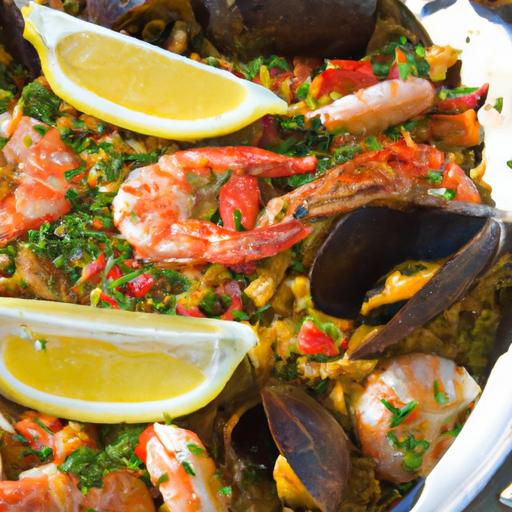

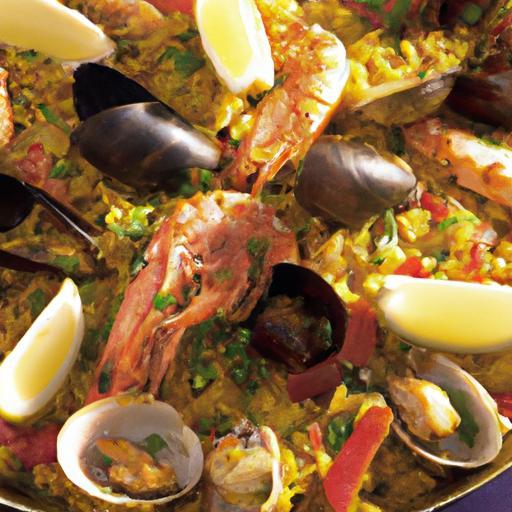
Nestled along the rugged coastline of the Pacific Northwest, where misty mornings greet vibrant markets brimming wiht the freshest catch, a culinary masterpiece unfolds: seafood paella. This fragrant, golden-hued dish-rooted in Spanish tradition yet wonderfully embraced and reimagined by Northwest chefs-celebrates the bounty of the sea with every forkful.From succulent clams and plump shrimp to tender mussels and locally harvested saffron, savoring seafood paella here is more than a meal; it’s a sensory journey that captures the essence of a region where land meets ocean in perfect harmony. Join us as we explore how this iconic dish has become a beloved Northwest treasure, blending cultural heritage with the unique flavors of the coast.
Savoring Seafood Paella in the Pacific Northwest is a celebration of the region’s abundant ocean bounty and the rich culinary heritage that connects land and sea. This dish, inspired by traditional Spanish paella but infused with local flavors, brings together fresh salmon, dungeness crab, wild Pacific shrimp, and tender scallops. A vibrant mosaic of colors and textures, Northwest Seafood Paella evokes the spirit of coastal gatherings where each ingredient tells a story-from ocean tides to the dinner table.
Prep and Cook Time
- Preparation: 25 minutes
- Cooking: 40 minutes
- Total Time: 1 hour 5 minutes
yield
Serves 6 hungry guests
Difficulty Level
Medium – perfect for cooks ready to experiment with seafood and master the art of paella layering
essential Ingredients That Define the Perfect Paella
- 2 cups bomba or arborio rice – short-grain rice that absorbs flavors without losing texture
- 1/2 lb wild Pacific salmon, skin removed and cut into chunks
- 1/2 lb fresh wild shrimp, peeled and deveined
- 1/2 lb Dungeness crab meat, picked clean
- 1/2 lb sea scallops, patted dry
- 1 large yellow onion, finely chopped
- 1 red bell pepper, diced
- 4 cloves garlic, minced
- 2 ripe tomatoes, grated or blended
- 5 cups seafood stock (preferably homemade or low-sodium)
- 1/2 teaspoon smoked Spanish paprika
- 1/2 teaspoon saffron threads, soaked in 3 tablespoons warm water
- 1 cup frozen peas, thawed
- 1/4 cup extra virgin olive oil
- Salt and freshly cracked black pepper, to taste
- Fresh parsley, chopped for garnish
- Lemon wedges, for serving
Harvesting Local Flavors From Sea to Table: Cooking Instructions
- Prepare your seafood stock by simmering shrimp shells and crab shells with aromatics, then strain; this step deepens flavor and exemplifies the farm-to-table ethos of Northwest cooking.
- Heat olive oil in a large paella pan or wide skillet over medium heat. Add the chopped onion and diced red bell pepper, sautéing until softened and fragrant, about 5 minutes.
- Add garlic and smoked paprika, stirring quickly to prevent burning; cook for 1 minute until aromatic.
- Stir in the grated tomatoes and continue cooking down the mixture until it thickens into a rich sofrito base, about 7-8 minutes.
- Add the rice to the pan,stirring to coat every grain with the sofrito and oil. This step ensures that every bite bursts with flavor.
- Pour in the warm seafood stock and saffron infusion. Taste and season lightly with salt and pepper. Bring to a gentle boil, then reduce heat to medium-low. Avoid stirring from this point to create the coveted crust, or socarrat, at the bottom.
- After 15 minutes, gently nestle the salmon, shrimp, scallops, and crab meat into the rice, pressing them slightly so they cook evenly with steam. Scatter thawed peas across the surface.
- Simmer uncovered, until seafood is cooked through and rice is tender, about 15-20 more minutes. If the rice is still firm and liquid has evaporated, add a splash more stock or hot water and continue cooking.
- Remove the paella from heat and cover loosely with foil. Let it rest for 5 minutes – this allows flavors to marry and the socarrat to set.
- Garnish with chopped parsley and fresh lemon wedges for a radiant, refreshing contrast.
Expert Tips for Cooking and Serving Your Seafood Paella
- Rice choice matters: Bomba rice is traditionally used for its absorbent quality, but arborio is a reliable substitute for many home cooks.
- Don’t rush the sofrito: this tomato-and-vegetable base is the heart of your paella’s flavor profile.
- Reserve stirring: Once the broth is added,avoid stirring to develop the crispy,flavorful bottom layer.
- Use fresh, sustainably sourced seafood: The Pacific Northwest offers a unique palette-opt for local wild salmon and freshly caught Dungeness crab to elevate your dish’s authenticity.
- Make ahead tip: Prepare the sofrito a day in advance and refrigerate; fresh seafood can be prepped just before cooking for peak freshness.
- serving suggestion: Pair with a chilled Albariño or crisp Northwest Riesling to complement the briny seafood and saffron aromas.
Serving suggestions: Presenting Your Culinary Masterpiece
Serve this vibrant paella family-style in its pan,allowing guests to savor the harmony of seafood and spice directly from the shallow skillet. Garnish with sprigs of fresh parsley and bright lemon wedges on the side for spritzing. A rustic wooden board and crusty artisan bread make perfect accompaniments, soaking up every last drop of the savory broth. For a festive touch,set the table with hand-painted ceramics reminiscent of Mediterranean plazas,blending Northwest charm with Spanish tradition.

| Nutrient | Per Serving |
|---|---|
| Calories | 480 kcal |
| Protein | 38 g |
| Carbohydrates | 52 g |
| Fat | 14 g |
For a deeper dive into the cultural roots of paella and Northwest seafood, explore our collection of regional seafood recipes. for more on the history of paella, this Britannica article offers an authoritative overview.
Q&A
Q&A: Savoring Seafood Paella – A Northwest Culinary Treasure
Q: What makes seafood paella such a beloved dish in the Northwest?
A: In the Pacific Northwest, with its bounty of fresh seafood and vibrant coastal culture, seafood paella resonates as a celebration of the sea’s generosity. The region’s access to succulent shrimp,clams,mussels,and oysters allows chefs and home cooks alike to craft paellas bursting with local flavors. It’s not just a dish-it’s a sensory experience that captures the essence of Northwest waters on a plate.
Q: How does Northwest seafood paella differ from the traditional Spanish version?
A: While the soul of paella remains-the saffron-infused rice cooked to tender perfection-the Northwest variety frequently enough incorporates native seafood like Dungeness crab or Pacific salmon, blending Spanish tradition with local flair. The use of local herbs, smoked paprika from small-batch producers, and even a dash of Northwest white wine brings a distinctive regional character to every bite.
Q: What’s the secret to achieving the perfect socarrat, the crispy rice crust, in seafood paella?
A: mastering the socarrat is an art form.In the northwest, using a thick-bottomed skillet over moderate heat helps develop that coveted caramelized crust without burning. The secret lies in patience-resist stirring once the broth is poured in, allowing the rice to absorb flavors and crisp ever so gently against the pan’s surface, creating a textural contrast that seafood lovers crave.
Q: Are there favourite local ingredients that elevate the dish beyond traditional recipes?
A: Absolutely! Artisanal smoked sea salts from the coast, freshly harvested chanterelle mushrooms from regional forests, and hand-foraged wild fennel all enhance the depth of flavor. Moreover, Northwest chefs frequently enough finish the dish with a drizzle of local hazelnut oil or a squeeze of Meyer lemon to brighten the briny richness of the seafood.
Q: How does seafood paella embody the Northwest’s culinary identity?
A: Seafood paella is a tapestry woven from the threads of tradition, nature, and innovation-core themes in Northwest cuisine. It honors the region’s indigenous seafood,embraces sustainable harvesting practices,and invites creativity from chefs who push boundaries while respecting the land and sea. Sharing a pot of seafood paella fosters communal dining, echoing the Northwest’s spirit of togetherness and connection.
Q: What’s the best way for a newcomer to Northwest seafood paella to start enjoying this dish?
A: Start with a visit to a local coastal restaurant renowned for using fresh, sustainably sourced seafood. Try a classic preparation frist to understand the dish’s harmonious flavors. Then, experiment at home by sourcing local seafood and seasonings, and perhaps invite friends for a paella night-it’s as much about shared joy as it is about savoring a remarkable meal.
Q: Can seafood paella be paired with local Northwest beverages?
A: Certainly! A crisp, chilled Riesling from Washington State or a zesty Pinot Gris from Oregon complements the saffron and shellfish beautifully. For beer lovers,a citrusy Pacific Northwest IPA balances the dish’s richness. And for a non-alcoholic option, a homemade elderflower spritz or sparkling apple cider highlights the fresh, vibrant notes of the ingredients.
Q: Why does seafood paella continue to thrive as a “culinary treasure” in the Northwest?
A: Because it embodies the perfect blend of earth and ocean, tradition and innovation, community and celebration. Seafood paella invites us to taste the Pacific Northwest’s unique bounty in a way that’s as comforting as it is adventurous. it’s more than food-it’s a tribute to place, people, and the enduring magic of shared meals by the water’s edge.
In Summary
As the last grains of saffron-infused rice disappear from your plate and the echoes of ocean breeze linger on your palate, you begin to understand why northwest seafood paella is more than just a meal-it’s a celebration of place, tradition, and flavor.This culinary treasure weaves together the bounty of the sea with the vibrant spirit of the region, inviting food lovers to savor not only the taste but the story behind every forkful. Whether enjoyed lakeside, at a bustling market, or in the comfort of your own kitchen, Northwest seafood paella stands as a delicious testament to a coast that knows how to delight the senses and nourish the soul. So next time you crave a dish that marries the freshness of the Pacific with the warmth of communal dining, remember: the magic of paella is waiting just a bite away.