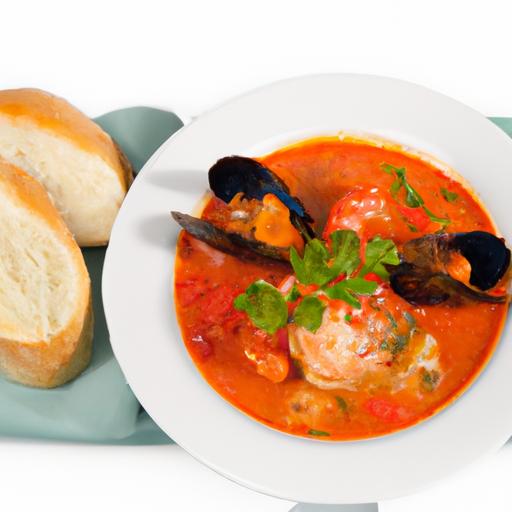

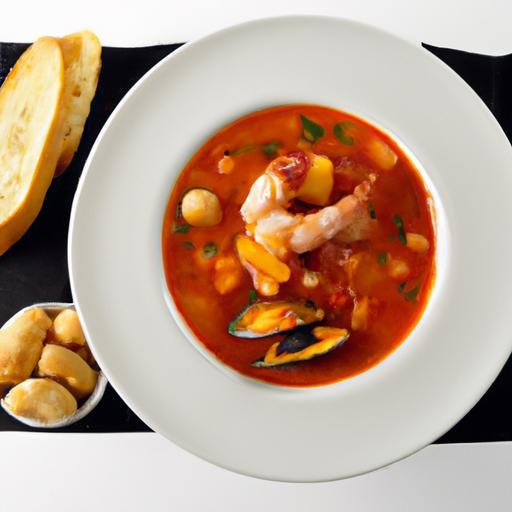
Beneath the shimmering surface of the Pacific lies a culinary treasure that has captivated taste buds for generations: seafood cioppino stew. This hearty, aromatic dish is more then just a meal-itS a flavorful voyage through history, culture, and coastal tradition. Born from the mingling of Italian immigrant spirit and the rich bounty of san Francisco’s waters, cioppino weaves together an array of seafood into a vibrant tapestry of taste. Join us as we dive into the story behind this iconic stew,uncovering the origins,evolution,and irresistible flavors that make cioppino a beloved classic on tables around the world.
Dive Into Flavor: The Story of Seafood Cioppino Stew
Dive Into Flavor with this iconic seafood cioppino stew, a dish steeped in rich history and bursting with ocean-fresh ingredients. originating from the Italian immigrant communities of San Francisco in the late 1800s, cioppino embodies the spirit of coastal bounty and rustic comfort. Picture a steaming bowl filled with tender shrimp, flaky fish, succulent clams, and mussels all simmered in a tangy tomato and wine broth-each spoonful an invitation to savor the essence of the sea.
Prep and cook Time
- Preparation: 25 minutes
- Cooking: 45 minutes
- Total Time: 1 hour 10 minutes
Yield
Serves 6 generous portions
Difficulty Level
Medium – Ideal for home cooks ready to experiment with seafood and layering robust flavors
Essential Ingredients That Bring Cioppino to Life
- 2 tablespoons extra virgin olive oil
- 1 medium yellow onion, finely diced
- 4 cloves garlic, minced
- 1 cup dry white wine (such as Sauvignon Blanc)
- 1 (28-ounce) can crushed San Marzano tomatoes
- 4 cups seafood stock or clam juice
- 1 teaspoon red pepper flakes (adjust to taste)
- 1 teaspoon smoked paprika
- 1 teaspoon dried oregano
- Salt and freshly ground black pepper, to taste
- 1 pound fresh Dungeness crab (pre-cooked and cracked)
- 1 pound large shrimp, peeled and deveined
- 1 pound fresh mussels, cleaned and beards removed
- 1 pound clams, scrubbed
- 1 pound firm white fish (such as cod or halibut), cut into 2-inch chunks
- 1/4 cup chopped fresh italian parsley
- 1 tablespoon fresh lemon juice
- Crusty sourdough bread, for serving
Step by Step Guide to Crafting the Perfect Cioppino
- Heat olive oil in a large heavy-bottomed pot over medium heat. Add the diced onions and sauté until translucent and tender, about 5 minutes.
- Stir in minced garlic and cook for another 1 minute, releasing those fragrant aromas. Be careful not to burn the garlic.
- Pour in the white wine and allow it to simmer until reduced by half, intensifying the flavor, roughly 8 minutes.
- Add crushed tomatoes, seafood stock, red pepper flakes, smoked paprika, oregano, salt, and pepper. Stir well and bring the mixture to a gentle boil. Lower the heat and let it simmer uncovered for 25 minutes; this creates that deep,balanced broth.
- Introduce the firmer seafood in stages: Add fish chunks first, allowing them to poach gently for 5 minutes.
- Add clams and mussels next, cover the pot, and cook for 5 to 7 minutes or until shells open wide. discard any that remain closed.
- fold in the shrimp and cracked crab meat, simmering just until the shrimp turn pink and opaque, about 3 minutes total, preserving their delicate texture.
- Stir in fresh lemon juice and chopped parsley to brighten the dish and add a herbaceous finish. Adjust seasoning with extra salt or pepper as needed.
- Serve promptly, ladled into deep bowls alongside thick slices of toasted sourdough bread for soaking up that luscious broth.
chef’s Notes and Tips for Success
- Seafood variety: Feel free to adapt based on availability. Scallops,calamari,or lobster work beautifully as well.
- Stock matters: High-quality seafood stock or clam juice is key-avoid artificial flavor bases.
- Don’t overcook: Add delicate seafood late and monitor closely to keep textures silky and tender.
- Make ahead: The broth can be prepared a day in advance and refrigerated. Add seafood just before serving for best freshness.
- Spice balance: Adjust red pepper flakes to your heat preference, but a hint of warmth elevates the profile.
- Gluten-free option: Serve with gluten-free bread or crunchy roasted potatoes instead of sourdough.
Pairing and Serving Tips to Elevate Your Cioppino Experience
For an authentic, immersive experience, pair this cioppino stew with a chilled glass of dry white wine like Pinot Grigio or Sauvignon Blanc. The wine’s crisp acidity cuts through the rich tomato broth and seafood. A simple green salad dressed with lemon vinaigrette can refresh the palate between bites. Garnishing bowls with a sprinkle of fresh parsley and a wedge of lemon adds vivid color and enhances the bright, coastal aromas.
Don’t underestimate the power of rustic bread: thickly sliced sourdough, ideally toasted with a hint of garlic butter, welcomes every ladle of cioppino with perfect accompaniment-mouthwatering, warm, and ready to soak up every drop of that savory ocean-rich broth.

| Nutrient | Per Serving |
|---|---|
| Calories | 360 kcal |
| Protein | 38 g |
| Carbohydrates | 12 g |
| Fat | 10 g |
For more seafood inspiration, check out our ultimate seafood paella recipe. To deepen your understanding of cioppino’s rich history, explore the detailed history at Smithsonian magazine.
Q&A
Q&A: Dive into Flavor – The story of Seafood Cioppino Stew
Q1: What exactly is Cioppino, and where did it originate?
A1: Cioppino is a hearty seafood stew bursting with a medley of fresh catches simmered in a rich tomato and wine broth. This flavorful dish traces its roots to San Francisco’s Italian immigrant fishermen in the late 1800s. They gathered the day’s unsold seafood bounty-crab, clams, shrimp, fish-and cooked it all together in a communal pot, creating what we now know as Cioppino.
Q2: how does Cioppino differ from other seafood stews?
A2: While many seafood stews share a common theme, Cioppino stands out because of its distinct San Francisco flair and Italian heritage. Unlike the French bouillabaisse or Spanish zarzuela, Cioppino features a zesty tomato base with garlic, onions, fresh herbs, and a splash of dry white wine or sometimes red wine, resulting in a deeply layered, comforting broth that highlights West Coast seafood.
Q3: What kinds of seafood are traditionally used in cioppino?
A3: The conventional Cioppino is a seafood symphony-Dungeness crab, clams, mussels, shrimp, scallops, and firm white fish like halibut or cod.The magic lies in combining various textures and flavors, making each spoonful a new revelation and an oceanic celebration.
Q4: Can cioppino be customized, or is there a “correct” recipe?
A4: Like any beloved dish with immigrant origins, Cioppino is wonderfully flexible. While the classic elements remain,cooks adapt ingredients based on availability and taste. Some add a pinch of chili flakes for heat, swap wine varieties, or incorporate local seafood. The essence is a bubbling pot of fresh seafood mingling in a savory tomato-wine broth.
Q5: What makes Cioppino such an enduring favorite?
A5: Beyond its irresistible flavor, Cioppino embodies community and tradition. It’s a dish born from fishermen’s camaraderie and resourcefulness, inviting people to gather around the table and savor the ocean’s gifts. Its warmth, heartiness, and celebration of local bounty continue to captivate palates and hearts alike.
Q6: How is Cioppino typically served?
A6: Cioppino is best enjoyed piping hot in a deep bowl, accompanied by crusty sourdough bread-the perfect vessel for soaking up every last drop of the luscious broth. A crisp green salad or a glass of chilled white wine complements the meal beautifully, rounding out an unforgettable dining experience.
Q7: Any tips for making Cioppino at home?
A7: Freshness is key! Use the best seafood you can find, and don’t be shy with aromatics like garlic, bay leaves, and herbs. Simmer gently to meld flavors without overcooking the delicate seafood. And most importantly, cook with love-and maybe share with friends-to capture the true spirit of Cioppino.
Concluding Remarks
As the final spoonful of seafood cioppino lingers on the palate, its rich blend of oceanic bounty and aromatic spices tells a story far beyond the bowl. This stew, born from the melding of cultures and coastal necessity, invites us to savor not just its flavors but the history simmering beneath every bite. Whether enjoyed on a foggy San Francisco pier or recreated in your own kitchen, cioppino remains a testament to the enduring allure of the sea – a tasty reminder that sometimes, the greatest stories are those shared over a warm, hearty meal. Dive in, and let the flavors of cioppino carry you on a culinary voyage you won’t soon forget.