

There’s something undeniably magical about the marriage of tender shrimp and silky linguine, a culinary duet that promises a dance of flavors with every bite. ”Savor the Flavors: A Guide to Perfect Shrimp Linguine” invites you to embark on a tasty journey where fresh seafood meets al dente pasta, elevated by aromatic herbs, zesty citrus, and a touch of garlic’s warmth. Whether you’re a seasoned home chef or a curious beginner, this guide will unlock the secrets to crafting a dish that’s both elegant and comforting-transforming simple ingredients into a gourmet experiance that lingers long after the last forkful. Prepare to dive fork-first into a world where taste and technique come together in perfect harmony.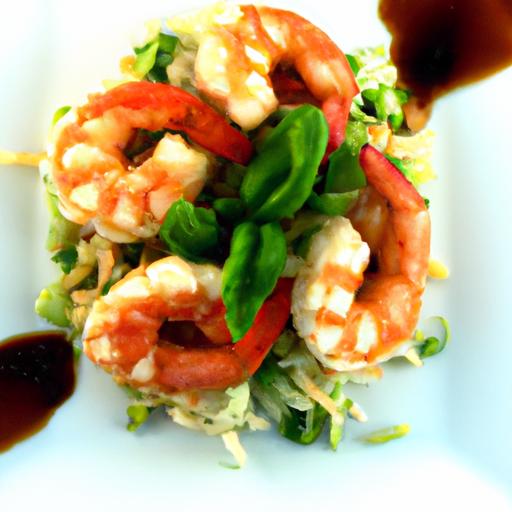
Choosing the Freshest Shrimp for Maximum Flavor
Savor the Flavors of your shrimp linguine journey begins at the seafood counter, where selecting the freshest shrimp can truly elevate your dish. Fresh shrimp are the cornerstone of vibrant taste and tender texture, turning a simple meal into an unforgettable experience.When picking shrimp, look for firm bodies, a mild ocean scent, and translucent shells that glisten with natural moisture – avoid any that smell overly fishy or appear slimy.
Color and freshness matter: Opt for shrimp with a glossy,almost pearly appearance,and intact shells to retain that rich flavor during cooking. If you’re using frozen shrimp, choose those individually speedy-frozen (IQF) to maintain optimum freshness, and always thaw them gently in cold water rather then at room temperature to preserve texture.
Size counts too: For linguine, medium to large shrimp (around 16-20 per pound) offer the perfect balance-plump enough to stand out but not overwhelming the pasta’s delicate sauce. Purchasing wild-caught shrimp can also provide a more authentic, full-bodied flavor due to their natural diet.
Reading labels and sourcing: Whenever possible, buy shrimp labeled “fresh, never frozen” or sustainably sourced to ensure unbeatable taste and environmental duty. Don’t hesitate to ask your fishmonger about the catch date – fresher shrimp will guarantee brighter flavors and a succulent bite.
For those eager for a deep dive into seafood selection, the Food Network’s guide to buying shrimp offers excellent expert advice. Also consider pairing this knowledge with our detailed seafood pasta recipes to create more inspired meals.

crafting the Ideal Sauce to Complement Your Linguine
Savor the Flavors: A Guide to Perfect Shrimp Linguine begins with mastering a sauce that elevates the delicate sweetness of shrimp and the subtle bite of linguine into an unforgettable culinary experience. This sauce is a harmonious blend of fresh herbs, shining citrus, and creamy textures designed to coat each strand perfectly without overpowering the natural oceanic notes of the shrimp. The magic lies in balancing acidity with richness, creating a sauce that feels both indulgent and refreshingly light at the same time.
prep and Cook time
- Readiness: 15 minutes
- Cooking: 20 minutes
- Total Time: 35 minutes
Yield
- Serves 4 generous portions
Difficulty Level
- Medium - approachable for confident home cooks
Ingredients
- 12 oz linguine pasta, preferably fresh or high-quality dried
- 1 lb shrimp, peeled and deveined
- 3 tbsp extra virgin olive oil
- 4 cloves garlic, finely minced
- 1 small shallot, finely chopped
- 1/2 cup dry white wine (such as Pinot Grigio)
- 1 cup heavy cream
- 1 tbsp freshly grated lemon zest
- 2 tbsp fresh lemon juice
- 1/4 tsp crushed red pepper flakes (optional, for mild heat)
- 1/3 cup freshly grated Parmesan cheese, plus extra for garnish
- 1/4 cup fresh flat-leaf parsley, chopped
- Salt and freshly ground black pepper, to taste
Instructions
- Cook the linguine: Bring a large pot of salted water to a boil and cook the linguine according to package instructions until al dente. Drain, reserving 1 cup of pasta water, and set aside.
- Sauté aromatics: In a large skillet over medium heat, heat 2 tablespoons of olive oil. Add the minced garlic and chopped shallot, sauté until fragrant and translucent, about 2-3 minutes, stirring regularly to avoid burning.
- Cook the shrimp: Add the shrimp to the skillet, season lightly with salt and pepper. Sauté until pink and opaque, approximately 3-4 minutes. Remove shrimp from the skillet and set aside, leaving the aromatic base in the pan.
- Deglaze the pan: Pour in the dry white wine, scraping any browned bits off the bottom.Let it reduce by half, about 3-5 minutes, intensifying the flavor and adding acidity.
- Create the sauce base: Stir in the heavy cream, lemon zest, lemon juice, and red pepper flakes (if using). Allow the sauce to gently simmer until thickened, about 5 minutes, stirring frequently.
- Incorporate cheese and pasta water: Add the grated Parmesan cheese, stirring until melted and the sauce becomes luxuriously creamy. If the sauce feels too thick, add reserved pasta water, a few tablespoons at a time, to reach desired consistency.
- Combine linguine and shrimp: Return the shrimp to the skillet and toss gently with the sauce. Add the cooked linguine and mix thoroughly, ensuring every strand is coated in the flavorful sauce.
- Finish and garnish: Stir in the chopped fresh parsley. Taste and adjust seasoning with salt, pepper, or an additional squeeze of lemon juice as needed. Serve immediately with extra Parmesan on the side.
Tips for Success
- For an extra layer of flavor, add a splash of vermouth with the white wine when deglazing.
- If heavy cream feels too rich, substitute half with half-and-half for a lighter sauce.
- Don’t overcook the shrimp; they turn rubbery quickly. Remove immediately once pink and firm.
- Keep reserved pasta water handy; its starch content is key to perfectly emulsifying the sauce.
- To make ahead,prepare the sauce and shrimp separately. Reheat gently while cooking fresh linguine, then combine for best results.
Serving Suggestions
Plate your linguine in shallow bowls for elegant presentation. Garnish with scattered toasted pine nuts or almond slivers for delightful crunch,and add a drizzle of extra virgin olive oil for gloss and richness. A sprig of fresh parsley or a few basil leaves not only add color but elevate the aroma. Complement the dish with a crisp glass of white wine and freshly cracked black pepper at the table for a restaurant-style finish.
| Nutrient | Per Serving |
|---|---|
| Calories | 480 kcal |
| Protein | 28 g |
| Carbohydrates | 52 g |
| Fat | 16 g |

Mastering the Art of Perfectly Al Dente Pasta
Savor the Flavors: A Guide to Perfect Shrimp Linguine begins with mastering the perfect pasta texture-al dente, the Italian phrase meaning “to the tooth.” This precise bite is what transforms your shrimp linguine from ordinary to extraordinary, elevating the delicate sweetness of succulent shrimp and the fragrant garlic-infused sauce. it’s a skill every home cook can master with a few simple techniques that celebrate the dish’s coastal origins while highlighting the harmony of textures and flavors.
Prep and Cook Time
- Preparation: 15 minutes
- cooking: 12 minutes
- Total: 27 minutes
Yield
Serves 4 generous portions
difficulty Level
Medium - approachable for confident beginners with basic kitchen skills
Ingredients
- 12 oz linguine pasta
- 1 lb large shrimp, peeled and deveined
- 4 tbsp extra-virgin olive oil
- 4 cloves garlic, thinly sliced
- ½ tsp red pepper flakes (optional, adjust to taste)
- 1 cup cherry tomatoes, halved
- ½ cup dry white wine
- ¼ cup fresh parsley, chopped
- Juice of 1 lemon (about 2 tbsp)
- Salt and freshly ground black pepper, to taste
- Grated Parmesan cheese, for serving
Instructions
- Bring a large pot of salted water to a vigorous boil (at least 4 quarts water with 1 tbsp salt) to ensure your linguine cooks evenly.Add linguine and cook, stirring occasionally, until just al dente – firm with a slight resistance to the bite – about 8-9 minutes. Reserve 1 cup of pasta water before draining.
- While pasta cooks, heat olive oil over medium heat in a large skillet. Add sliced garlic and red pepper flakes, sauté until garlic is fragrant and turning golden, about 1-2 minutes – avoid burning.
- Add shrimp in a single layer and cook 2-3 minutes per side until pink and opaque. Remove shrimp and set aside to prevent overcooking.
- Deglaze skillet with white wine, scraping up browned bits with a wooden spoon.Reduce wine by half, about 3 minutes, imparting depth and subtle acidity to the sauce.
- Add cherry tomatoes and cook until softened but still holding shape, about 3 minutes.
- Return shrimp to skillet along with cooked linguine.Toss gently to combine.
- Add reserved pasta water a little at a time (2-3 tablespoons) to loosen sauce and encourage it to cling beautifully to noodles.
- Stir in lemon juice and chopped parsley, seasoning with salt and freshly ground black pepper to taste. Toss one last time.
- Serve immediately, garnished with a generous sprinkle of Parmesan cheese and an extra drizzle of olive oil.
tips for Success
- Choose high-quality dried linguine for the best texture and flavor.
- Never skip salting your pasta water. It should taste like the sea to season pasta from within.
- Reserve some pasta water-it’s magic for adjusting sauce consistency and creating silkier results.
- Cook shrimp just until they turn pink-overcooked shrimp become rubbery.
- For a richer sauce, stir in a tablespoon of butter at the end.
- Make this recipe dairy-free by skipping Parmesan or substituting with nutritional yeast.
- Make ahead: Prepare shrimp and sauce separately, then toss with freshly cooked pasta before serving.
Serving Suggestions
Plate your shrimp linguine in shallow bowls for an elegant presentation. Garnish with extra parsley sprigs, a twist of lemon zest, and a light crack of black pepper.Pair with a crisp glass of dry white wine such as Sauvignon Blanc or Pinot grigio. For an extra touch, serve alongside garlic bread brushed with olive oil and freshly toasted crumbs of Parmesan. A simple arugula salad with lemon vinaigrette brings a peppery brightness to complement the dish’s richness.
| Nutritional data (per serving) | Amount |
|---|---|
| Calories | 470 kcal |
| Protein | 35 g |
| Carbohydrates | 45 g |
| Fat | 12 g |

For more pasta perfection tips, check out our article on Perfect Pasta Techniques. to deepen your culinary knowledge on seafood sustainability, visit the Monterey Bay Aquarium Seafood Watch.
Expert Tips for harmonizing Ingredients and presentation
Mastering shrimp linguine means more than just combining ingredients-it’s about creating a symphony of flavors and aesthetics that delight the palate and the eyes. To really bring your dish to life, focus on balancing fresh, vibrant elements with the rich, comforting notes of the sauce and pasta.
The perfect shrimp linguine thrives on harmony. Start by selecting fresh, high-quality shrimp; their natural sweetness complements the bright acidity of fresh tomatoes or a splash of white wine. When sautéing shrimp, season lightly with salt and freshly cracked black pepper to enhance their natural flavor without overpowering them. A gentle sear-until just pink and firm-locks in juiciness and adds a lovely texture contrast to tender linguine.
Integrate fresh herbs like flat-leaf parsley or basil towards the end of cooking to preserve their vibrant essence. Their brightness cuts through the richness of olive oil and butter often used in the sauce, creating a balanced palate that feels light yet indulgent. For a subtle kick, add a hint of crushed red pepper flakes, but use sparingly to maintain harmony rather than heat dominance.
When it comes to presentation, use a large, shallow bowl to showcase the elongated shape of linguine noodles. Twirl the pasta elegantly with a fork before plating to create appealing height and flow. Nestle the shrimp atop this swirl, exposing their bright coral color as a natural focal point. Garnish with a light drizzle of high-quality extra-virgin olive oil and a sprinkle of freshly grated Parmigiano-Reggiano for a luscious finish.
To truly captivate visually, contrast textures and colors. Scatter a few lemon zest strips for a pop of sunny yellow and additional aroma, or add a few microgreens to evoke freshness. Serve with a lemon wedge on the side-both as a flavor enhancer and a vibrant garnish. Remember, food that appeals to the eyes invites anticipation and enjoyment before the first bite.
don’t forget timing. Serve shrimp linguine immediately to maintain that perfect orchestration between temperature, texture, and flavor. The pasta should be al dente, the shrimp warm but tender, and the sauce silky-not clumpy or watery. With these thoughtful touches, your shrimp linguine will not only taste exquisite but make a memorable impression.

Final Thoughts
As your fork twirls the final strands of linguine, infused with the delicate essence of shrimp and fresh herbs, you’ll realize that this dish is more than just a meal-it’s a celebration of flavors and textures harmonizing on your palate. Whether you’re a seasoned home cook or just dipping your toes into seafood pasta, mastering the art of shrimp linguine opens the door to a world of culinary possibilities. so, gather your ingredients, embrace the rhythms of the kitchen, and let each bite transport you to sun-drenched Mediterranean coasts. Becuase with the perfect shrimp linguine,every dinner becomes a delicious story worth savoring.
