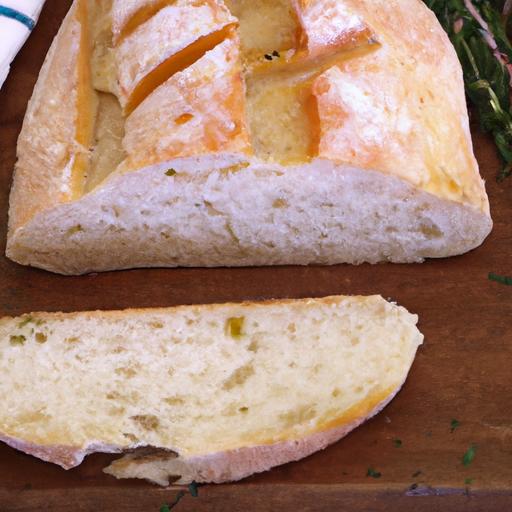

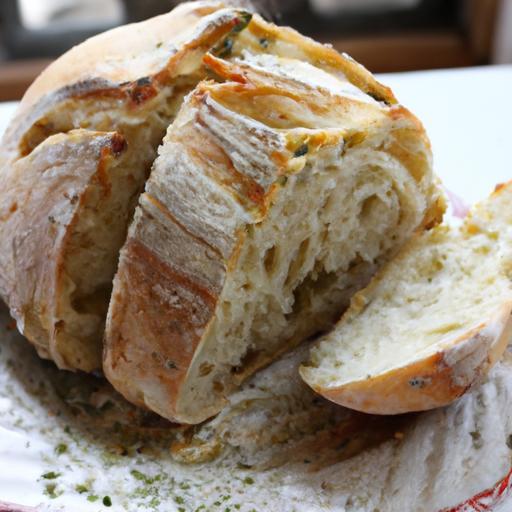
There’s something irresistibly comforting about the aroma of freshly baked bread wafting through the kitchen, especially when infused with the earthy, fragrant notes of Italian herbs. Rustic Italian Herb Bread is more than just a staple; its a celebration of tradition, simplicity, and bold flavors woven into every golden crust and tender crumb. This homemade classic invites both novice and seasoned bakers to savor the art of blending fresh rosemary, thyme, oregano, and basil into a loaf that embodies the heart of Italian countryside baking. In this article, we’ll explore the secrets behind crafting this flavorful bread from scratch, turning humble ingredients into an unforgettable culinary experience that’s perfect for any table.
Rustic Italian Herb Bread captures the very soul of Italian baking-infused with fragrant herbs and wrapped in a crust that’s both airy and satisfyingly crisp.This bread is not just a treat for your taste buds but a journey into the tradition of Italian countryside kitchens where simple, quality ingredients come together to create something truly unforgettable.
Prep and Cook Time
- Readiness: 20 minutes
- Fermentation (rising): 3 hours
- Baking: 30-35 minutes
- Total Time: approximately 4 hours
yield
Makes one rustic loaf, serving 8-10 slices
Difficulty Level
Medium – Perfect for bakers who are comfortable with artisan dough techniques.
Choosing the Perfect Blend of herbs for Authentic Italian Flavor
To embody that true Rustic Italian Herb Bread essence, the herb blend plays an essential role. Conventional Italian cooking favors herbs like rosemary, thyme, oregano, and sometimes a touch of fresh basil. Rosemary’s piney aroma pairs beautifully with thyme’s subtle earthiness, while oregano adds a warm, slightly bitter depth. Opt for fresh herbs when possible, as they release essential oils that elevate your bread’s aroma and flavor. Dried herbs can be used but be sure to crush them finely to evenly distribute throughout the dough. A pinch of sea salt layered with fresh cracked black pepper complements the herbal profile perfectly.
Mastering the Art of Rustic Dough for a Crusty, Airy Texture
The heart of any accomplished Rustic Italian Herb Bread lies in its dough. Use high-protein bread flour to develop a strong gluten network,essential for trapping air and creating that coveted airy crumb structure. Start with a simple mixture of flour, warm water, yeast, salt, and your herby infusion. Embrace the slow fermentation method: letting your dough rest and rise at room temperature encourages the flavors to mature and the gluten to develop naturally without extensive kneading. when shaping, avoid overhandling the dough to preserve those irregular air pockets that define rustic loaves. For that extra uplifting texture, incorporate a small amount of olive oil or honey-both found authentically in Italian baking-which gently tenderizes the crumb.
Baking Techniques to Achieve the Ideal Golden Crust
Oven temperature and moisture are your bread’s best friends here. Preheat your oven to a blistering 450°F (230°C) to jumpstart crust formation. Introducing steam in the first 10 minutes of baking-by placing a pan of water in the oven or misting water on the loaf-helps develop a shiny, crackly crust. Consider baking your loaf on a preheated cast-iron skillet or baking stone; thes retain heat evenly, giving your bread a perfectly baked bottom and a golden crust all around.Rotate the bread mid-bake for even coloring, aiming for a deep golden-brown and a hollow sound when tapped, signifying doneness.
Serving Suggestions to elevate Your Rustic Italian Herb Bread Experience
Enjoy this Rustic Italian Herb Bread warm from the oven with a generous spread of herbed garlic butter or a drizzle of the finest extra virgin olive oil and balsamic glaze. Pair it with an antipasto platter-think olives, cured meats, and fresh mozzarella-to bring an authentic Italian atmosphere to your table. For a heartier snack, slice the loaf thickly and toast pieces for bruschetta topped with ripe tomatoes, fresh basil, and a sprinkle of sea salt. Garnish with a few sprigs of fresh herbs to mirror the bread’s flavors and create a rustic, inviting presentation.
Ingredients
- 3 ½ cups bread flour, sifted
- 1 ¼ cups warm water (about 110°F / 43°C)
- 2 teaspoons active dry yeast
- 1 ½ teaspoons sea salt
- 2 tablespoons fresh rosemary, finely chopped
- 1 tablespoon fresh thyme, leaves only
- 1 teaspoon dried oregano, crushed
- 1 tablespoon extra virgin olive oil
- 1 teaspoon honey (optional, for slight sweetness and better browning)
Instructions
- in a small bowl, combine warm water, honey, and yeast. Stir gently and let it activate for 5-10 minutes until foamy.
- In a large mixing bowl, whisk together the bread flour, sea salt, and all herbs (rosemary, thyme, oregano).
- make a well in the center of the dry ingredients and pour in the yeast mixture along with olive oil.
- using a wooden spoon or your hand, mix until a shaggy dough forms. Turn it out onto a lightly floured surface and knead briefly just until combined-about 5 minutes.The dough will be slightly sticky but elastic.
- Transfer the dough to an oiled bowl, cover it tightly with plastic wrap or a damp kitchen towel, and let it rise in a warm spot for 2 to 3 hours, or until doubled in size.
- Once risen, gently deflate the dough and shape it into a round boule. Place on a parchment-lined baking sheet or a preheated baking stone.
- Cover loosely with a clean towel and allow a second rise for 30-45 minutes, until puffy.
- Preheat your oven to 450°F (230°C).Place a small, heatproof pan on the bottom rack for steaming.
- Just before baking, slash the top of the loaf with a sharp knife to allow for expansion.
- Bake the bread, instantly pour 1 cup of hot water into the steaming pan, and quickly close the oven door to trap the steam.
- After 10 minutes, remove the steam pan and lower the oven temperature to 400°F (200°C). Bake for an additional 20-25 minutes until the crust is deep golden and crisp.
- Remove the bread and cool on a wire rack for at least 1 hour before slicing to let the crumb set fully.
Tips for Success
- Use a kitchen scale for precise flour measurements to ensure consistent results.
- For a more pronounced herb aroma, lightly toast fresh herbs before chopping.
- Keep your oven door closed during baking except when adding steam or rotating for temperature stability.
- If you don’t have fresh herbs, increase dried herbs to 1 ½ teaspoons but reduce salt slightly to compensate.
- Make ahead: you can prepare the dough the night before and refrigerate it to slow rise,then bake fresh bread in the morning.
Serving Suggestions
Serve thick slices of this herb-scented loaf alongside a rich tomato soup or rustic minestrone for an authentic Italian experience. Brighten the plate with fresh basil leaves, a drizzle of flavored olive oil, or a scattering of flaky sea salt. This bread’s rustic charm also shines when used for hearty sandwiches-try prosciutto, fresh mozzarella, and sun-dried tomatoes for an easy panino. For a simple, elegant appetizer, brush slices with garlic-infused olive oil and toast until golden, then top with shaved Parmesan and cracked pepper.

| Nutrition per Slice (Approx.) | Amount |
|---|---|
| Calories | 180 |
| Protein | 5g |
| Carbohydrates | 35g |
| Fat | 2.5g |
For more inspiration on classic Italian flavors, explore our related Italian herb recipes. To deepen your knowledge about the perfect bread baking environment, visit King Arthur Baking’s Bread Making Guide.
Q&A
Q&A: Rustic Italian Herb Bread – A Flavorful Homemade Classic
Q1: What makes Rustic Italian Herb Bread so special compared to other breads?
A1: Rustic Italian herb Bread captures the soul of traditional Italian baking-simple, aromatic, and full of character. Its charm lies in the perfect balance of a crusty exterior, a tender, airy crumb, and a symphony of fragrant herbs like rosemary, thyme, and oregano woven into the dough. It’s not just bread; it’s an experience that evokes sun-soaked Tuscan countryside mornings.
Q2: Which herbs work best in rustic Italian Herb Bread?
A2: The classics never fail! Fresh or dried rosemary, thyme, oregano, and sometimes a touch of basil create that unmistakable Italian aroma. You can experiment by adding sage or marjoram as well. The key is to use herbs that complement each other without overpowering the bread’s natural flavor.
Q3: Is making rustic Italian Herb Bread at home arduous?
A3: not at all! This bread’s rustic nature means it embraces a straightforward, no-fuss approach. With a few kitchen staples-flour, yeast, olive oil, herbs, salt, and water-you can craft a loaf that rivals artisan bakery offerings. The process encourages patience and simplicity, making it perfect for both beginners and seasoned bakers.
Q4: How can I get that perfect crusty exterior?
A4: The secret to a crispy crust is a hot baking environment paired with steam. Baking the bread on a preheated stone or heavy baking sheet helps create that signature crunch. Introducing steam-by placing a pan of water in the oven or misting the dough before baking-keeps the crust moist initially and encourages a beautiful golden finish.
Q5: Can Rustic Italian Herb Bread be customized?
A5: Absolutely! This bread is a canvas for your creativity. Add olives for a briny twist, sun-dried tomatoes for a burst of sweetness, or sprinkle sea salt flakes on top before baking. Swap herbs or mix in some grated Parmesan for extra richness. The rustic foundation welcomes countless variations.
Q6: What dishes pair well with Rustic Italian Herb Bread?
A6: Its versatility shines at the table! Serve it alongside hearty Italian soups like minestrone,use it to mop up rich tomato sauces,or build rustic sandwiches with cured meats and cheeses. It’s also divine simply toasted with a drizzle of olive oil and a sprinkle of flaky salt.
Q7: How should Rustic Italian Herb Bread be stored to maintain freshness?
A7: To keep that crust crisp, store the bread wrapped loosely in a clean kitchen towel at room temperature. Avoid plastic bags, which trap moisture and soften the crust. For longer storage,slice and freeze it in an airtight bag-toast slices directly from the freezer for a quick rustic snack.
Embrace the rustic charm of Italian herbs and watch your kitchen fill with irresistible aromas and warmth. This beloved classic is more than bread-it’s a flavorful journey to the heart of Italy, baked fresh at home. Buon appetito!
The Conclusion
As the warm aroma of freshly baked Rustic Italian Herb Bread fills your kitchen, you’ll realize this isn’t just any loaf-it’s a tangible connection to timeless traditions and vibrant flavors. With simple ingredients and a touch of patience, you’ve crafted more than bread; you’ve created a canvas for meals, a companion to hearty soups, and a centerpiece for unforgettable gatherings. Whether enjoyed plain, dipped in olive oil, or layered with your favorite toppings, this homemade classic invites you to savor the essence of Italy in every bite. So next time you crave something comforting yet extraordinary, remember: the magic of Rustic Italian Herb Bread is always just a recipe-and a little love-away.