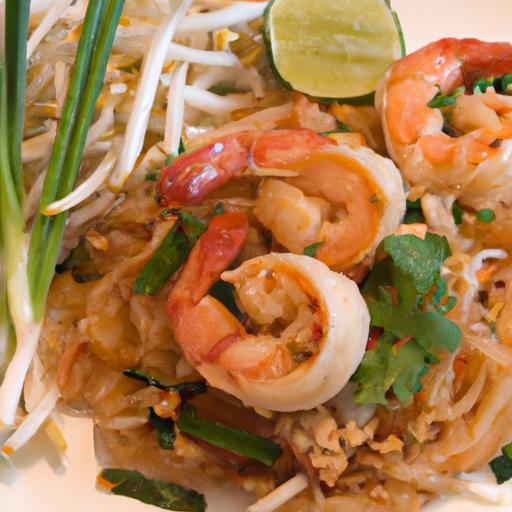

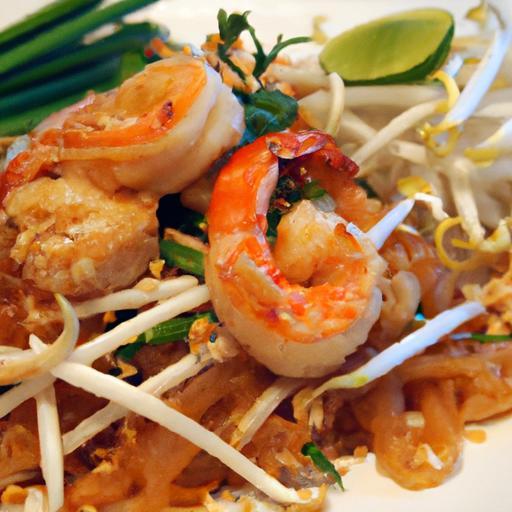
there’s a reason Pad Thai with shrimp has captured the hearts and taste buds of food lovers around the world: it’s a vibrant party of flavors, textures, and tradition all on one plate. This iconic Thai dish strikes a perfect harmony between tangy tamarind, savory fish sauce, a hint of sweetness, and the irresistible bite of succulent shrimp, tossed expertly with stir-fried rice noodles and crunchy peanuts. In this guide,we’ll dive into the rich history behind Pad Thai,explore the essential ingredients that make it a beloved culinary treasure,and uncover tips to recreate this flavorful classic in your own kitchen. Prepare to embark on a flavorful journey that brings the spirit of Thailand right to your table.
Savoring Pad Thai with Shrimp is a vibrant journey thru Thailand’s streets, where the aromas of tamarind and sizzling rice noodles beckon food lovers worldwide. This iconic dish tells a story steeped in cultural heritage, blending influences from Chinese stir-fry traditions with uniquely Thai flavors that celebrate balance and freshness. Every bite of this beloved recipe captures the harmony of sweet, sour, and savory elements, making it a timeless favorite that’s both comforting and exhilarating.
Prep and cook Time
Preparation: 15 minutes | Cooking: 10 minutes | Total: 25 minutes
Yield
Serves 4 hearty portions
Difficulty Level
Medium – Ideal for home cooks ready to explore authentic Thai techniques
Ingredients
- 200g (7 oz) dried rice noodles (soaked in warm water for 20 minutes)
- 250g (9 oz) fresh shrimp, peeled and deveined
- 3 tablespoons tamarind paste
- 2 tablespoons fish sauce
- 1 tablespoon palm sugar (or light brown sugar)
- 2 tablespoons vegetable oil
- 3 cloves garlic, minced
- 2 large eggs
- 1/2 cup firm tofu, cut into small cubes
- 1 cup bean sprouts, rinsed and drained
- 3 green onions, sliced diagonally
- 1/4 cup crushed roasted peanuts
- 1 lime, cut into wedges
- 1/2 teaspoon chili flakes (optional, for heat)
- Fresh cilantro and extra bean sprouts for garnish
Instructions
- Prepare the noodles: Soak the dried rice noodles in warm water for 20 minutes or until pliable but still firm. drain and set aside carefully to avoid breakage.
- Make the sauce: In a small bowl, combine tamarind paste, fish sauce, and palm sugar. Stir until the sugar dissolves fully to create a sweet, tangy, and salty flavor base.
- Cook the shrimp: Heat 1 tablespoon of vegetable oil in a large wok or skillet over medium-high heat. Add the shrimp and cook until pink and opaque, about 2 minutes per side.Remove and set aside.
- Sauté aromatics and tofu: Add the remaining oil to the wok. Toss in the minced garlic and sauté until fragrant (about 30 seconds). Add tofu cubes and cook until golden brown, approximately 3 minutes.
- Scramble eggs: Push the tofu and garlic to one side.crack in the eggs and scramble gently, cooking until just set but still tender.
- add noodles and sauce: Increase heat to high, add the soaked noodles and pour over the sauce mixture. Toss constantly with tongs or spatula to coat evenly and heat through, about 2-3 minutes.
- Combine ingredients: return shrimp to the wok along with bean sprouts and green onions. Toss carefully for another minute just to warm the sprouts while maintaining their crunch.
- Serve immediately: Transfer to plates and garnish lavishly with crushed peanuts, fresh cilantro, extra bean sprouts, and lime wedges alongside a sprinkle of chili flakes for those who like a fiery touch.
Tips for Success
- soak noodles just right: Avoid over-soaking rice noodles to prevent mushiness. They should soften but keep a slight bite before cooking.
- Balancing flavors: Taste your sauce before combining – adjust tamarind for sourness, sugar for sweetness, or fish sauce for saltiness to suit your palate.
- Perfect shrimp: Use fresh shrimp and don’t overcook. Shrimp should curl into a loose C shape; tight curling means they’re overdone and rubbery.
- Make ahead options: Prep sauce and tofu cubes in advance. Store shrimp and bean sprouts separately and combine quickly when cooking.
- garnish generously: Fresh herbs, crunchy peanuts, and lime wedges elevate the dish visually and flavor-wise, delivering authentic texture contrasts.
Serving Suggestions
Present your Pad Thai on vibrant,shallow bowls for maximum aromatic release. Serve with extra lime wedges and a small dish of chili flakes for guests to customize heat level. Pairing with a crisp Thai iced tea or a light, chilled white wine highlights the balance of flavors beautifully. For an added crunch and freshness, accompany with a side plate of sliced cucumber or julienned carrots tossed lightly with vinegar and salt.
| Nutrient | Per Serving |
|---|---|
| calories | 420 kcal |
| Protein | 28g |
| Carbohydrates | 45g |
| Fat | 12g |

For a deep dive into Thai cuisine and more inspiring recipes, check out our Authentic Thai Flavors Guide. Discover the history and nuances that make Thai food worldwide beloved. to learn more about tamarind’s role in Southeast Asian cooking, visit Britannica’s Tamarind Overview.
Q&A
Q&A: Savoring Pad Thai with Shrimp – A Flavorful Thai Classic Guide
Q1: What makes Pad Thai with shrimp a quintessential Thai dish?
A1: Pad Thai with shrimp embodies the very soul of Thai street food-a harmonious blend of sweet, sour, salty, and savory all in one sizzling wok. The succulent shrimp adds a briny burst, perfectly balancing the tamarind’s tang and palm sugar’s sweetness, wrapped up in chewy rice noodles and crunchy peanuts. This dish is a celebration of Thailand’s vibrant culinary heritage in every bite.
Q2: How is authentic Pad Thai different from the versions we frequently enough find abroad?
A2: Authentic Pad Thai strikes a delicate balance of flavors and textures with fresh ingredients: dried shrimp, tamarind paste, palm sugar, and fish sauce are essentials. Abroad, many versions might skip key components or overuse sauces, resulting in a sweeter or heavier dish.the real magic lies in the fresh lime juice squeeze at the end and that perfect wok-charred aroma you rarely get outside Thailand.
Q3: What role do shrimp play in elevating Pad Thai’s flavor profile?
A3: Shrimp bring a tender, slightly sweet seafood essence that contrasts beautifully with the earthy noodles and tart tamarind. As they sear quickly at high heat, they develop a caramelized exterior, adding depth and a satisfying bite. Shrimp’s umami richness lifts the dish from humble noodles to an indulgent seafood delight.
Q4: Can you customize Pad Thai with shrimp to suit different dietary needs?
A4: Absolutely! Swap traditional fish sauce for a tamari or soy sauce for vegetarians (though it technically wouldn’t be authentic then). Use tofu or extra veggies alongside or rather of shrimp, or choose gluten-free rice noodles to accommodate sensitivities. The key is maintaining the harmony of sweet, sour, salty, and nutty flavors that define Pad Thai’s character.
Q5: What tips ensure the perfect Pad Thai at home?
A5: First, prep all ingredients ahead-Pad Thai cooks fast! Use high heat and a sturdy wok to get that signature smoky char. don’t overload the pan; noodles should lightly sear while absorbing the sauce. Toast peanuts separately and add fresh bean sprouts and lime wedges just before serving. Most importantly, taste and adjust-pad Thai is a personal flavor adventure.
Q6: What traditional garnishes make Pad Thai with shrimp truly authentic?
A6: A sprinkle of crushed roasted peanuts adds crunch,fresh chives or scallions provide freshness,and bean sprouts contribute crisp texture. A wedge of lime squeezed right before eating brightens the dish, and a dash of chili powder offers a spicy kick.These final touches are essential to experience the full flavor spectrum of Thailand’s beloved street food.
This Q&A brings the vibrant essence of Pad Thai with shrimp to life, inviting readers not only to savor but to understand and recreate a beloved Thai classic with confidence and creativity.
The Way Forward
As the sizzling symphony of tamarind, peanuts, and succulent shrimp fades from your plate, the magic of Pad Thai lingers-not just as a meal, but as a journey into the heart of Thai cuisine. This flavorful classic, rich in history and bursting with vibrant tastes, invites you to savor each bite with recognition and curiosity. Whether crafted at a lively street stall or recreated in your own kitchen, Pad Thai remains a timeless celebration of balance and boldness. So next time the craving strikes, dive in, relish the layers of flavor, and let every forkful transport you to the bustling streets of Thailand-one shrimp at a time.