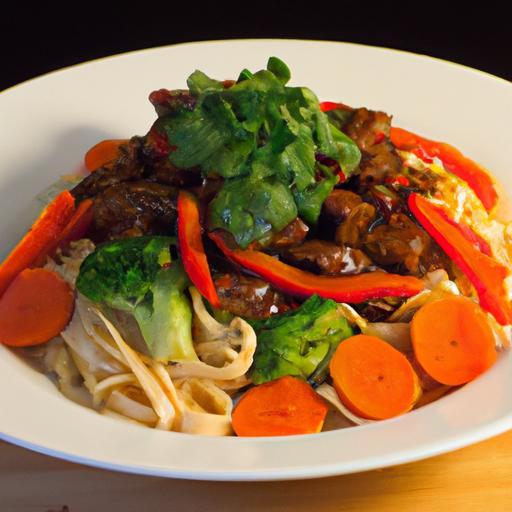

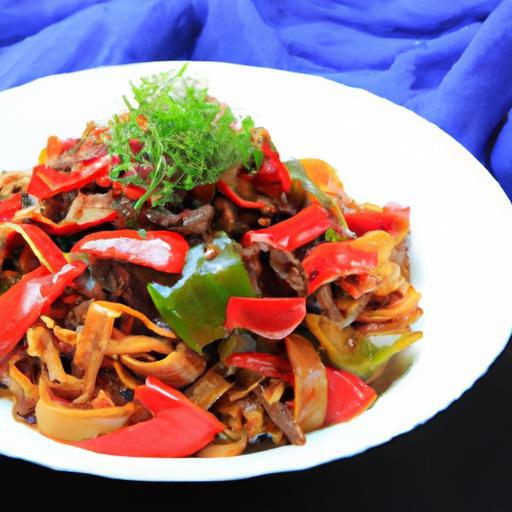
Nestled at the crossroads of rich history and vibrant flavors, Mongolian beef noodles offer more than just a meal-they present a captivating cultural voyage on a plate. This beloved dish, with its tender strips of marinated beef and perfectly chewy noodles, carries the essence of Mongolia’s rugged landscapes and nomadic traditions, fused with the warmth of communal dining.As we embark on this flavorful journey, we’ll uncover the stories, ingredients, and culinary techniques that transform a simple bowl of noodles into a savory party of heritage and taste. Prepare your senses for an unforgettable experiance that transcends borders and invites you to savor every bite of Mongolian beef noodles.
Savoring Mongolian Beef Noodles is more than just enjoying a delicious meal; it’s an invitation to explore a fascinating blend of bold flavors and cultural richness that defines Mongolian-inspired cuisine. This dish encompasses tender, caramelized beef and springy noodles bathed in a savory sauce that perfectly balances sweet, salty, and umami notes. Drawing inspiration from the heart of Central Asia, this recipe offers a satisfying combination that delights both the palate and the soul-a true culinary journey in every bite.
Prep and Cook Time
- Preparation: 20 minutes
- Cooking: 25 minutes
- Total Time: 45 minutes
Yield
Serves 4 hearty portions
Difficulty Level
Medium – perfect for cooks comfortable with multitasking and ingredient layering
Ingredients
- 350g flank steak, thinly sliced against the grain
- 200g fresh egg noodles or your favorite Asian wheat noodles
- 3 tbsp vegetable oil, divided
- 4 cloves garlic, minced
- 1 tbsp fresh ginger, grated
- 3 spring onions, sliced (separate white and green parts)
- 1/4 cup soy sauce (use low sodium for better balance)
- 2 tbsp hoisin sauce
- 2 tbsp brown sugar
- 1/2 cup water or beef broth
- 1 tsp toasted sesame oil
- 1 tsp cornstarch mixed with 2 tbsp cold water (slurry)
- Fresh cilantro or toasted sesame seeds for garnish (optional)
Instructions
- Prepare the beef: Slice the flank steak thinly against the grain.This ensures maximum tenderness and a juicy bite after cooking. Set aside.
- Cook the noodles: Boil a large pot of water. Add fresh egg noodles and cook according to package instructions untill al dente, usually 2-3 minutes. Drain, rinse with cold water, and set aside to prevent sticking.
- Sear the beef: Heat 2 tablespoons of vegetable oil in a large wok or heavy skillet over medium-high heat. Add the sliced beef in a single layer and cook until browned and slightly caramelized on both sides, about 2-3 minutes per side. Avoid overcrowding; cook in batches if needed. Remove beef and set aside.
- Create the aromatic base: in the same pan,add remaining 1 tablespoon oil. Sauté minced garlic, grated ginger, and the white parts of the spring onions until fragrant and golden, about 1 minute.Stir frequently to avoid burning.
- Build the sauce: Stir in soy sauce, hoisin sauce, and brown sugar. Pour in water or beef broth and bring to a gentle simmer. Allow flavors to meld for 2 minutes.
- Thicken the sauce: Gradually whisk in the cornstarch slurry, stirring constantly until the sauce thickens and becomes glossy-about 1-2 minutes.
- Combine all elements: Return the beef to the pan along with the cooked noodles. Toss everything delicately to fully coat the beef and noodles in the rich sauce, heating through for another 2 minutes.
- Finish with sesame oil and spring onions: Drizzle toasted sesame oil over the dish and sprinkle with sliced green spring onions to add freshness and aroma.
Tips for Success
- Choose the right cut: Flank steak is ideal for this recipe due to its flavor and texture. Alternatively, skirt steak works well too.
- Marinate briefly: For extra tenderness and depth, marinate your beef in a mixture of soy sauce and a pinch of baking soda for 15 minutes before cooking.
- Noodle options: Fresh egg noodles provide a silky texture, but dried ramen or udon noodles can substitute in a pinch-just adjust cooking time accordingly.
- Layer flavors: Don’t rush the garlic and ginger sauté step; this is where your dish gains its signature warmth and depth.
- Make ahead tip: Cook the sauce in advance and store separately. Combine with freshly seared beef and noodles when ready to serve for a quicker meal.
serving Suggestions
Present your Mongolian beef noodles garnished with a sprinkle of toasted sesame seeds and fresh cilantro leaves for a burst of color and texture that harmonizes perfectly with the dish’s deep flavors. Serve in wide bowls for a rustic, communal feel, accompanied by steamed bok choy or a light cucumber salad to balance the savory richness. A chilled green tea or jasmine tea is an excellent local beverage pairing that refreshes the palate.
| Nutrient | Per Serving |
|---|---|
| Calories | 420 kcal |
| Protein | 32 g |
| Carbohydrates | 35 g |
| Fat | 14 g |

Explore more Asian noodle dishes in our Asian Noodle Recipes Collection and deepen your culinary repertoire.
for an in-depth history of Mongolian cuisine and its influences, check out this comprehensive article by Britannica.
Q&A
Q&A: Savoring Mongolian Beef Noodles – A Delicious Cultural Journey
Q1: What makes Mongolian Beef Noodles a standout dish in Asian cuisine?
A1: While Mongolian Beef Noodles aren’t originally from Mongolia, their rich, savory flavors and hearty ingredients have captivated taste buds worldwide. The dish combines tender slices of beef with a perfectly balanced sauce-usually soy-based with hints of garlic, ginger, and sometimes a touch of sweetness-tossed with chewy, hand-pulled noodles.This fusion of bold flavors and textures delivers a comforting yet exciting eating experience that celebrates both tradition and innovation.
Q2: How did Mongolian Beef Noodles come to be, if they’re not actually Mongolian?
A2: Mongolian Beef Noodles are more of a culinary homage than an authentic Mongolian recipe. They originated in Taiwanese and Chinese-American cuisine, inspired by the concept of Mongolian barbecue, which actually hails from Taiwan. The name was adopted for its exotic appeal, evoking images of hearty, rustic meals. This dish became a canvas where chefs could blend Northern Chinese flavors with local tastes, making it an emblem of cultural fusion.Q3: What ingredients are essential to capturing the true spirit of Mongolian Beef Noodles?
A3: At the heart of this dish are three key components: succulent, thinly sliced beef; a vibrant sauce that marries soy sauce, hoisin, garlic, ginger, and sometimes scallions; and springy noodles, often hand-pulled or fresh egg noodles. The combination is finished with a sprinkle of toasted sesame seeds or green onions to add a fresh, aromatic touch. The balance of umami, sweetness, and savory depth is what makes the dish truly unforgettable.
Q4: Can I recreate the authentic Mongolian Beef Noodles experience at home?
A4: Absolutely! While restaurant versions sometimes add their own flair, the magic lies in technique and quality ingredients. Use high-quality beef, ideally flank or sirloin, and marinate it briefly to enhance tenderness. Prepare a fresh sauce, simmer it until thick and flavorful, and select noodles that hold up well to stir-frying or tossing. Taking your time with the stir-fry, using high heat to sear the beef and cook the vegetables quickly, will help replicate that restaurant-quality bite and flavor.
Q5: Beyond taste, what cultural stories does this dish tell?
A5: Mongolian Beef Noodles tell a story of adaptation and cross-cultural creativity.It embodies how food travels, transforms, and becomes a symbol of identity for diaspora communities. the dish invites eaters to appreciate the blending of traditions-Mongolian-inspired names, Chinese culinary techniques, and global palates-reminding us that cuisine is a living narrative, forever evolving and bringing people together.Q6: What side dishes or drinks pair well with Mongolian Beef Noodles to complete the meal?
A6: To complement the rich, savory noodles, consider light and fresh sides like steamed bok choy or cucumber salad to add crunch and balance. A hot and sour soup or egg drop soup can provide a warming contrast. For drinks, jasmine tea or a lightly chilled lager cleanse the palate between bites, letting each spoonful shine anew. For a modern twist, try pairing with a citrusy sparkling water or even a slightly sweet Riesling.
Q7: Why should food lovers add Mongolian Beef Noodles to their culinary bucket list?
A7: Mongolian Beef Noodles offer more than just a meal; they provide a sensory journey into a dynamic blend of cultures and flavors. Eating them is like traveling through history and taste together, celebrating craftsmanship, cultural exchange, and the global joy of a hearty, delicious noodle bowl. For food lovers seeking comfort, adventure, and a connection to global stories, this dish is a must-try delight.
Key Takeaways
As the final slurp of rich, savory broth fades and the last tender strand of noodle dissolves on your tongue, you realize that savoring Mongolian beef noodles is more than just a meal-it’s a vibrant cultural journey. Each bite carries centuries of tradition, blending bold flavors and hearty textures that tell a story of Mongolia’s nomadic heritage and culinary evolution. Whether shared among friends or enjoyed in quiet reflection, this dish invites you to connect with a rich tapestry of history and taste. So next time you crave something both comforting and exotic, let Mongolian beef noodles transport you to the vast steppes, where every mouthful is a celebration of culture, community, and the simple joy of good food.