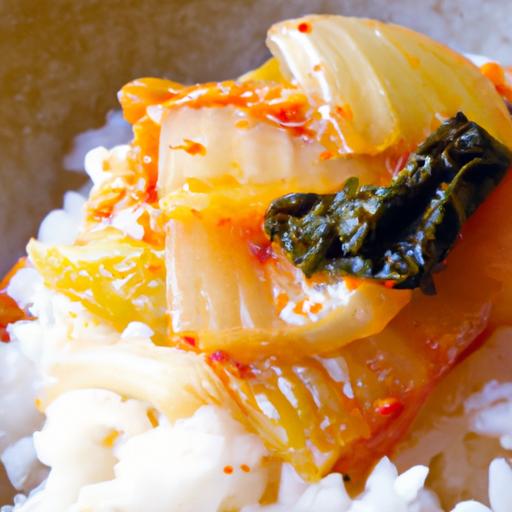

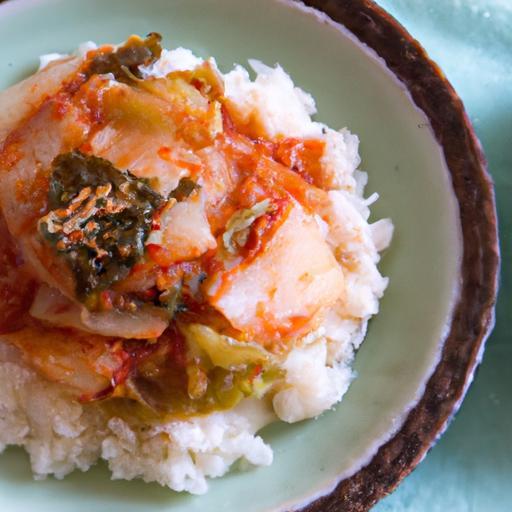
There’s a unique magic in melding flavors that might seem worlds apart-like teh tangy, spicy zest of kimchi meeting the comforting, fluffy embrace of freshly cooked rice.In kitchens around the globe, rice cookers quietly do more than just steam perfect grains; they can become vessels of bold culinary experimentation. Welcome to the flavorful crossroads of tradition and innovation: cooking kimchi with rice using your trusty rice cooker. This guide will take you on a journey through a simple yet transformative method, unlocking a harmonious fusion where every bite bursts with rich umami and vibrant spice. Whether you’re a kimchi enthusiast or a rice lover seeking a new twist, get ready to elevate your meal with this easy, aromatic fusion that promises both warmth and excitement in a single pot.
Cooking Kimchi with Rice unlocks an unusual flavor fusion that transforms simple ingredients into a vibrant, comforting dish. Drawing inspiration from customary Korean home kitchens, this recipe balances the tangy spice of kimchi with perfectly cooked rice, creating a harmonious blend that dances on your palate. Whether you’re a novice or a seasoned cook, mastering these techniques will elevate your rice cooker to a culinary ally.
Prep and Cook Time
- Planning Time: 10 minutes
- Cook Time: 30 minutes
- Total Time: 40 minutes
Yield
- Serves 4 generously
Difficulty Level
- Easy
Ingredients
- 2 cups medium-grain white rice, rinsed thoroughly
- 1 1/2 cups well-fermented kimchi, chopped with juice
- 2 1/2 cups water or vegetable broth
- 1 tablespoon sesame oil
- 1/2 cup thinly sliced scallions
- 1 teaspoon toasted sesame seeds
- 1 teaspoon soy sauce (optional, for umami boost)
- 1/4 cup diced pork belly or firm tofu (optional)
- 1 teaspoon minced garlic
- 1 teaspoon gochugaru (Korean chili flakes, adjust to taste)
Instructions
- Rinse the rice under cold water until the water runs clear, draining fully to remove excess starch-this ensures fluffy, separated grains.
- Sauté your protein (if using pork belly or tofu) in a little sesame oil directly in your rice cooker’s inner pot on the “sauté” or “cook” mode until golden and tender-about 5 minutes. Remove and set aside.
- Add minced garlic and a splash of sesame oil to the inner pot and stir briefly until fragrant, roughly 30 seconds, stirring constantly to prevent burning.
- Combine the rinsed rice and diced kimchi with its juice evenly over the garlic base. Add water or broth and soy sauce, layering without stirring to maintain texture contrast.
- Sprinkle gochugaru over the top for that signature spicy kick and close the rice cooker lid.
- Set your rice cooker to the regular white rice cycle. As it cooks, the kimchi infuses the rice gradually, producing a colorful, slightly tangy aroma.
- Once complete, gently fold in sautéed pork or tofu and scallions using a rice paddle or wooden spoon-this preserves fluffiness and evenly distributes flavors.
- Let the rice rest for 5 minutes after cooking to absorb residual steam and deepen the flavor.
- Serve hot, garnished with toasted sesame seeds and an extra drizzle of sesame oil for luscious aroma.
Tips for Success
- Choosing rice variety: Medium to short-grain white rice is ideal, offering the perfect balance of stickiness and grain separation to envelop the bold kimchi flavors without overpowering.
- Optimal kimchi to rice ratio: Use a roughly 3:4 ratio of kimchi to rice by volume for balanced tang and spice.Too much kimchi can make the dish soggy, while too little may underdeliver on punch.
- Enhancing your rice cooker setup: If your rice cooker lacks a sauté function, pre-cook proteins and garlic in a skillet. Add all ingredients directly after to simplify.
- Customize your spice level by adjusting gochugaru or adding a splash of kimchi juice post-cooking for extra heat and acidity.
- make-ahead tip: This dish tastes even better the next day as flavors mature.Store leftovers tightly sealed and reheat with a sprinkle of water in the rice cooker to refresh moisture.
Serving Suggestions
This vibrant kimchi rice pairs exquisitely with a fried egg perched atop for richness and a silky texture contrast. Add a side of pickled radish or cucumber for brightness, or serve alongside grilled pork belly to elevate it into a decadent meal. Garnish with fresh cilantro or microgreens for a pop of green that highlights the spicy reds and oranges of the dish.

| Nutrient | Per Serving |
|---|---|
| Calories | 320 kcal |
| Protein | 9 g |
| Carbohydrates | 55 g |
| Fat | 7 g |
For a deeper dive into rice varieties and their culinary applications, check out our complete rice guide. To learn more about the health benefits of kimchi, visit the Healthline kimchi benefits article.
Q&A
Q&A: Cooking Kimchi with Rice – A rice Cooker Flavor fusion Guide
Q1: What makes cooking kimchi with rice in a rice cooker so special?
A1: Cooking kimchi with rice in a rice cooker is like a culinary love story-two vibrant flavors harmonizing into one cozy, umami-packed dish.The rice soaks up the tangy, spicy essence of kimchi, while the gentle steam and warmth intensify the depth of both ingredients. The rice cooker’s steady heat creates a perfect balance, turning simple ingredients into a soul-warming fusion without the fuss of the stove.
Q2: Can I use any type of kimchi for this recipe?
A2: Absolutely! While traditional napa cabbage kimchi works beautifully thanks to its classic tang and crunch,feel free to experiment with radish kimchi,cucumber kimchi,or even watery kimchi varieties. Each type will impart a unique character-some more spicy,some more sour-so your rice cooker fusion becomes a versatile canvas for your flavor preferences.
Q3: How do I prevent my rice from becoming too soggy when cooking with kimchi?
A3: Great question! Since kimchi usually contains a bit of liquid,it’s wise to adjust your water-to-rice ratio slightly. Use less water than you normally would-about 10-20% less-and consider draining some of the excess kimchi juice if it’s very watery. Additionally, chopping kimchi into smaller pieces helps distribute flavor evenly without overwhelming the rice.
Q4: Can I add other ingredients to boost the flavor profile?
A4: Definitely! This fusion is a playground for creativity. Try adding sliced mushrooms for earthiness, diced tofu for protein, or a splash of sesame oil for nuttiness. A sprinkle of chopped green onions or toasted sesame seeds post-cooking adds delightful texture and color. Just be mindful not to overcrowd the rice cooker to ensure even cooking.
Q5: Is this method suitable for beginner home cooks?
A5: Yes! Cooking kimchi with rice in a rice cooker is wonderfully beginner-kind. It eliminates the need for constant stirring and monitoring. Simply layer your rice, kimchi, water, and extras, then press start. The rice cooker does the heavy lifting while you relax. Plus, it’s a fantastic gateway into exploring Korean flavors with minimal effort.
Q6: What’s the best way to serve kimchi rice after cooking?
A6: Once your kimchi rice emerges aromatic and perfectly cooked, fluff it gently to mix ingredients evenly.Serve it warm, perhaps topped with a fried egg for richness or a drizzle of gochujang-based sauce for extra kick. It pairs beautifully with grilled meats,steamed veggies,or a simple bowl of miso soup for a comforting meal.
Q7: Can I store leftovers and reheat them?
A7: Yes, kimchi rice makes excellent leftovers! Store it in an airtight container in the fridge for up to 3 days. When reheating, sprinkle a little water over the rice and cover loosely with a microwave-safe lid or damp paper towel to maintain moisture. Reheat until steaming hot, and enjoy a rapid, flavorful meal anytime.
Cooking kimchi with rice in your rice cooker isn’t just about convenience-it’s about embracing an exciting cultural fusion that sparks joy in every bite. So go ahead, experiment boldly, and discover your signature rice cooker kimchi creation!
To Conclude
As the final grains of rice absorb the spicy, tangy essence of kimchi, your rice cooker transforms from a simple kitchen appliance into a gateway of vibrant flavors and cultural fusion. Cooking kimchi with rice isn’t just about combining ingredients-it’s about crafting a harmonious melody of taste and tradition, all within one convenient pot. Whether you’re a seasoned cook or a curious beginner, this flavorful journey invites you to experiment, savor, and share a dish that’s as comforting as it is exciting. So next time you power on your rice cooker, remember: you’re not just making a meal-you’re creating a fusion of flavors that celebrates the heart and soul of Korean cuisine in every bite.