

In the vast and diverse world of rice dishes, few can rival the enchanting allure of Basmati Rice Pilaf-a culinary masterpiece that transforms simple grains into a fragrant tapestry of flavor and tradition. Each fluffy kernel, infused with delicate spices and aromatic herbs, tells a story that spans centuries and continents. This article embarks on a flavorful journey through the origins, planning, and cultural significance of Basmati Rice Pilaf, inviting you to discover how this humble grain has become a celebrated symbol of warmth, hospitality, and exquisite taste around the globe. Whether you’re a seasoned cook or a curious foodie, prepare to be inspired by the timeless magic of aromatic Basmati rice, elevated to pilaf perfection.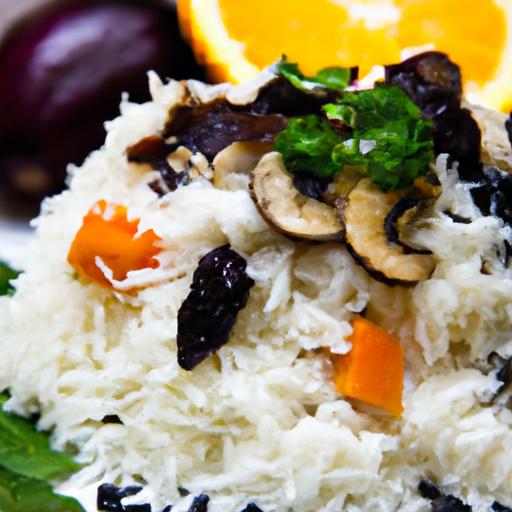
The Origins and Unique Characteristics of Basmati Rice
Basmati Rice Pilaf is much more than a side dish; it serves as an aromatic gateway to the rich culinary traditions of the Indian subcontinent. Revered for its nutty aroma and delicate, fluffy texture, this ancient grain has been cultivated for centuries in the foothills of the Himalayas. Its name, derived from the Sanskrit word “vasmati,” means ”fragrant,” capturing the essence of the grain’s uniquely floral scent and slightly spicy undertone. For me, the moment I first experienced the light, fluffy grains of basmati rice perfectly toasted in butter and simmered with fragrant spices, I knew this dish woudl forever hold a special place in my kitchen repertoire.
Basmati Rice Pilaf embodies an elegant simplicity-each grain remains separate, gleaming with a pale gold hue and infused with layers of flavor from traditional aromatics like cumin, cardamom, and cinnamon. Unlike many rice varieties, the slender grains elongate during cooking rather than becoming sticky, offering a visually stunning and texturally delightful base for countless meals. As you explore the recipe ahead, you’ll discover how this versatile rice transcends ordinary preparations, transforming humble ingredients into a sensory experience rich with history and warmth.
Prep and Cook Time
- Preparation: 15 minutes
- Cooking: 25 minutes
- total Time: 40 minutes
Yield
Serves 4 generous portions
Difficulty Level
Easy to Medium – Perfect for home cooks eager to elevate a classic side dish
Ingredients
- 1 ½ cups basmati rice, rinsed and soaked for 30 minutes
- 3 tablespoons unsalted butter or ghee
- 1 medium onion, finely chopped
- 2 cloves garlic, minced
- 1 teaspoon cumin seeds
- 3 green cardamom pods, lightly crushed
- 1 small cinnamon stick
- 4 cups water or low-sodium chicken broth
- Salt to taste (about 1 teaspoon)
- ¼ cup toasted slivered almonds or cashews (optional)
- Fresh chopped cilantro or parsley for garnish
Instructions
- Drain the soaked basmati rice thoroughly using a fine-mesh sieve; set aside. Soaking helps elongate the grains and improves texture.
- In a heavy-bottomed saucepan, melt the butter or ghee over medium heat. Add the cumin seeds, cardamom pods, and cinnamon stick. Sauté until fragrant, about 1-2 minutes, stirring gently.
- Add the finely chopped onion and minced garlic to the pan. Cook, stirring occasionally, until the onions are soft and golden brown-approximately 5-7 minutes. This caramelization adds a rich depth of flavor.
- Incorporate the drained rice to the pan, stirring gently to coat each grain with the spiced butter and onions. Toast the rice for 2-3 minutes until it develops a subtle nutty aroma, ensuring it doesn’t burn or stick.
- Pour in the water or chicken broth, season with salt, and gently stir once. Bring the mixture to a rolling boil over high heat.
- Reduce the heat to low, cover the pot tightly with a lid, and simmer undisturbed for 15 minutes. Avoid lifting the lid to trap and steam the rice evenly.
- After 15 minutes, turn off the heat and let the rice sit, covered, for an additional 10 minutes to allow the steam to finish cooking the grains.
- Remove the lid, discard the cinnamon stick and cardamom pods, and fluff the rice gently with a fork to separate the grains.
- If desired, fold in toasted slivered almonds or cashews for an added crunch and a touch of luxury.
- Garnish with freshly chopped cilantro or parsley before serving to brighten the flavors and add color.
Tips for Success
- Rinsing and Soaking: Multiple rinses of the rice remove excess starch, preventing stickiness. Soaking hydrates the grains for even cooking and elongation.
- Spice Variations: Feel free to experiment with whole cloves, star anise, or bay leaves to customize the aroma palette.
- Vegetarian Option: Use vegetable broth for a plant-based pilaf that’s equally rich and flavorful.
- Make Ahead: Prepare the pilaf a few hours in advance, store covered, and reheat gently with a splash of water to revive moisture.
- Texture Tip: Avoid stirring the rice while simmering; this keeps the grains intact and fluffy.
Serving Suggestions
This Basmati Rice Pilaf pairs wonderfully with vibrant curries like chicken tikka masala or rich lentil dal. For a celebratory touch, serve alongside spiced roasted vegetables or grilled meats. Sprinkle with pomegranate seeds or a squeeze of fresh lemon juice to heighten the freshness. Consider plating in a rustic earthenware bowl mingled with chopped fresh herbs and a side of cooling raita for a complete aromatic experience.
| Nutrient | Per Serving |
|---|---|
| Calories | 210 kcal |
| Protein | 4.5 g |
| Carbohydrates | 45 g |
| Fat | 5.5 g |

Discover the art of elevating grains by exploring our Fluffy Saffron Rice recipe for another take on fragrant pilafs. For a deeper dive into the science and tradition behind basmati rice cultivation, visit Encyclopedia Britannica.
Mastering the Art of Pilaf: Essential techniques for Perfect Texture
basmati rice pilaf is a timeless culinary treasure renowned for its fragrant aroma and perfectly fluffy texture. Rooted deeply in Middle Eastern and South Asian traditions, this dish transforms humble grains into an elegant centerpiece, inviting a symphony of spices and rich flavors. Whether you’re aiming to impress guests or elevate a weeknight meal, understanding the essential techniques behind crafting a flawless pilaf will empower you to capture that exquisite balance of fluffy grains and savory depth every time.
Prep and Cook Time
- Prep Time: 15 minutes
- Cook Time: 25 minutes
- Total Time: 40 minutes
Yield
Serves 4 generously as a side dish
Difficulty level
Medium: Requires attention to detail but approachable for passionate home cooks
Ingredients
- 1 ½ cups basmati rice, rinsed thoroughly and soaked for 20 minutes
- 3 tablespoons ghee or unsalted butter
- 1 medium onion, finely chopped
- 2 cloves garlic, minced
- 1 teaspoon cumin seeds
- 4 whole green cardamom pods, lightly crushed
- 1 small cinnamon stick
- 4 cups chicken or vegetable stock, hot
- Salt to taste (about 1 teaspoon)
- Fresh cilantro or parsley, chopped for garnish
- Optional: ¼ cup toasted slivered almonds or pistachios for texture
Instructions
- Rinse and soak the basmati rice to remove excess starch. Drain well before cooking to ensure separate, fluffy grains.
- Heat the ghee in a heavy-bottomed pot over medium heat until shimmering.
- Add cumin seeds, cardamom pods, and cinnamon stick. Sauté for 1-2 minutes until fragrant, stirring gently to avoid burning.
- Add the finely chopped onions and sauté until golden brown, approximately 7-8 minutes, stirring often for even caramelization.
- Stir in the minced garlic and cook for another 30 seconds until aromatic.
- Add the drained basmati rice to the pot, stirring carefully to coat every grain in the spiced ghee mixture. Toast for 3-4 minutes, allowing the rice to develop a slight nutty scent.
- Pour in the hot stock and add salt.Bring the mixture to a gentle boil.
- Once boiling, reduce heat to the lowest setting, cover tightly with a lid, and let it simmer undisturbed for 15 minutes.
- After 15 minutes, turn off the heat. Let the pilaf rest, covered, for an additional 10 minutes to steam and fully absorb flavors.
- Gently fluff the rice with a fork, discarding cinnamon stick and cardamom pods. Garnish with fresh herbs and toasted nuts if using.
Tips for Success
- Always rinse basmati rice until the water runs clear. This step is crucial for removing excess starch and ensuring a light, non-sticky pilaf.
- if you can, soak the rice for at least 20 minutes. This hydrates the grains, cuts down cooking time, and improves texture.
- Using hot stock rather than water infuses depth and complexity, elevating your pilaf substantially.
- A tight-fitting lid is essential to trap steam and create the perfect fluffy grains-avoid lifting the lid during cooking.
- For a vegan option,swap ghee with high-quality olive oil or vegan butter.
- To add extra vibrancy, toss in sautéed vegetables or dried fruits like golden raisins.
- Make-ahead tip: Prepare pilaf up to day before serving.Reheat gently with a sprinkle of water and cover to restore moisture.
Serving Suggestions
This basmati rice pilaf pairs beautifully with grilled meats, roasted vegetables, or spiced curries. Serve it alongside a vibrant cucumber raita or tangy yogurt sauce to contrast the warm spices. For a festive touch, garnish with fresh cilantro and a scattering of toasted almonds or pistachios to add crunch and visual appeal. A wedge of lemon on the side brightens the plate and invites diners to customize each bite.

Nutritional Information (per serving)
| Nutrient | amount |
|---|---|
| Calories | 250 kcal |
| Protein | 5 g |
| Carbohydrates | 45 g |
| Fat | 7 g |
For those looking to expand their knowledge on rice pilaf techniques, check out our complete rice cooking guide. To delve deeper into the rich history of basmati rice, visit the Encyclopaedia Britannica on Basmati Rice.
Infusing Flavors: Spices and Ingredients That Elevate Your Basmati Pilaf
Basmati rice pilaf is a canvas for fragrant spices and vibrant ingredients that transform simple grains into an aromatic masterpiece. Rooted in centuries of culinary tradition,this dish invites you on a sensory journey,where each spoonful tells a story of warmth,earthiness,and elegance. Whether you’re recreating a beloved family recipe or exploring new flavors, understanding how to infuse your pilaf with the right combination of spices and additions is key to unlocking its full potential.
Prep and Cook Time
Preparation: 10 minutes
Cooking: 25 minutes
Total Time: 35 minutes
Yield
Serves 4 generous portions
Difficulty Level
Easy to medium – Perfect for beginners eager to impress
Ingredients
- 1 ½ cups basmati rice, rinsed until water runs clear
- 3 tablespoons ghee or unsalted butter
- 1 medium onion, finely sliced
- 2 garlic cloves, minced
- ½-inch piece fresh ginger, grated
- 4 whole green cardamom pods
- 4 whole cloves
- 1 cinnamon stick (2 inches)
- 1 bay leaf
- 1 teaspoon cumin seeds
- 1 teaspoon coriander powder
- ½ teaspoon turmeric powder
- 1 ¾ cups water or vegetable broth
- Salt to taste
- ¼ cup toasted sliced almonds or cashews (optional)
- Fresh cilantro, chopped (for garnish)
- Freshly ground black pepper, to finish
Instructions
- Rinse the basmati rice under cold water until it runs clear to remove excess starch, then soak in water for 20 minutes. Drain well.
- Heat ghee or butter in a heavy-bottomed pan over medium heat. Add the cumin seeds, cardamom pods, cloves, cinnamon stick, and bay leaf. Sauté for about 1-2 minutes until the spices release their aroma.
- Add the sliced onions and cook,stirring frequently,until they’re soft and golden brown,approximately 7-8 minutes. this step creates a caramelized base that deepens the pilaf’s flavor.
- Stir in the minced garlic and grated ginger, cooking for 1 minute until fragrant.
- Sprinkle in the coriander powder and turmeric, mixing well to coat the onions and spices evenly-this golden hue is the hallmark of pilaf.
- Add the drained rice directly to the pan and gently stir for 2-3 minutes, allowing the grains to toast slightly and absorb the spice medley.
- Pour in the water or broth and add salt to taste. Bring to a gentle boil, then reduce the heat to low, cover with a tight-fitting lid, and simmer for 15 minutes without lifting the lid.
- Remove the pan from heat and let it rest, covered, for 10 minutes to allow the steam to finish cooking the rice perfectly fluffy and separate.
- Fluff the pilaf gently with a fork, stirring in toasted nuts if using, and sprinkle freshly chopped cilantro and black pepper on top before serving.
Tips for Success
- Rice texture matters: Always choose quality aged basmati rice and soak to ensure each grain cooks evenly and stays fluffy rather than sticky.
- Spice balancing: Tailor the spice quantities to your palate; for a milder touch, reduce whole spices slightly or omit cloves.
- Ghee vs butter: Ghee imparts nuttiness and higher heat tolerance, but unsalted butter works beautifully for a creamier mouthfeel.
- Make-ahead tip: Basmati rice pilaf can be cooled and refrigerated for up to two days. Reheat gently with a splash of water to revive moisture.
- Adding protein or vegetables: Stir in cooked peas, carrots, or sautéed mushrooms to add color and nutrition without overpowering the pilaf.
Serving Suggestions
this basmati rice pilaf pairs exquisitely with grilled meats, creamy curries, or roasted vegetables. For an elegant touch, serve it garnished with fresh cilantro leaves, toasted nuts, or a sprinkle of pomegranate seeds to introduce a burst of color and tang. A side of cooling cucumber raita or a dollop of tangy yogurt perfectly balances the warm, complex spices.

| Nutrient | Per Serving |
|---|---|
| Calories | 290 |
| Protein | 6g |
| Carbohydrates | 54g |
| Fat | 7g |
For a deeper dive into rice varieties and their culinary uses, Britannica’s comprehensive guide is an excellent resource.
Explore more rich recipes featuring aromatic rice dishes in our aromatic Rice Collection.
Serving Suggestions and Pairings to Complement Your Aromatic Creation
Elevate Your Aromatic Experience with Perfect Pairings
Basmati rice pilaf’s delicate,fragrant grains create an exquisite foundation for countless culinary adventures. To truly celebrate its aromatic allure, pairing it thoughtfully can transform every meal into a feast of textures and flavors. Whether you wish to craft a cozy weeknight dinner or impress guests with a vibrant spread, these serving suggestions inspire confidence and creativity at your table.
The light fluffiness of basmati rice pilaf marries beautifully with rich, savory dishes, offering balance and subtlety to heartier mains. Think succulent grilled meats infused with warm spices, or a luscious curry simmered slowly to deepen its flavor complexity.Garnish your pilaf with fresh herbs like cilantro or mint to add a burst of color and a refreshing bite that complements both mild and bold accompaniments.
Visual contrast can be just as enjoyable as flavor contrast. Such as, serving your basmati rice pilaf alongside crisp roasted vegetables or jewel-toned salads featuring pomegranate seeds and toasted nuts creates a sensory delight. Not only is this pleasing to the eye, but it also invites a satisfying interplay of textures – soft, fluffy rice juxtaposed against crunchy, vibrant veggies.
For a more traditional approach, pair the pilaf with classic dishes such as tandoori chicken, butter chicken, or lamb kebabs. The pilaf’s aromatic profile enhances the spices in these dishes without overpowering them. A drizzle of raita or cooling yogurt sauce adds a creamy counterpoint that rounds out the meal.
Vegetarians and vegans can rejoice as well – this pilaf shines alongside roasted cauliflower steaks, spiced chickpeas, or a hearty lentil stew. Freshly chopped nuts sprinkled over top add a welcome crunch and depth. A squeeze of lemon juice just before serving brightens the flavors and brings a touch of zestiness.

To finish your presentation with elegance, garnish the pilaf with toasted slivered almonds, golden raisins, or a scattering of bright pomegranate arils. These subtle touches not only enhance the dish’s aroma but also deliver bursts of sweetness and texture in every bite.
explore pairing your basmati rice pilaf with these delightful options:
- Spiced grilled meats: tandoori chicken, cumin-rubbed lamb, or coriander-crusted shrimp
- Rich, saucy curries: butter chicken, vegetable korma, or chana masala
- Filling vegetarian sides: roasted cauliflower with turmeric, spiced chickpeas, or dal tadka
- Refreshing accompaniments: cucumber and mint raita, mango chutney, or pickled onions
- Texture enhancers: toasted nuts like almonds or cashews, dried fruits such as raisins or cranberries
As you serve your fragrant pilaf, keep in mind that presentation sparks appetite. Use a shallow bowl or earthenware plate to showcase the grains’ fluffiness, and don’t shy away from layering with garnishes that enliven the visual and flavor profile together.
For inspiration on complementary dishes that bring out the best in basmati rice pilaf,visit our Indian Main Dishes Collection. To deepen your understanding of rice demographics and health benefits, explore this in-depth resource from Britannica.
Final Thoughts
As our flavorful journey through the world of basmati rice pilaf comes to a close, we find ourselves with more than just a recipe-we carry a deeper appreciation for the delicate grains that have traveled centuries to grace our tables. Each fluffy kernel, infused with aromatic spices and simmered to perfection, tells a story of culture, tradition, and culinary artistry. whether enjoyed as a humble side or a fragrant centerpiece, basmati rice pilaf remains a vibrant testament to the magic that a simple grain can bring.So next time you savor its nutty texture and enchanting bouquet, remember: you’re not just eating rice-you’re experiencing a timeless flavor voyage that spans continents and generations.
