
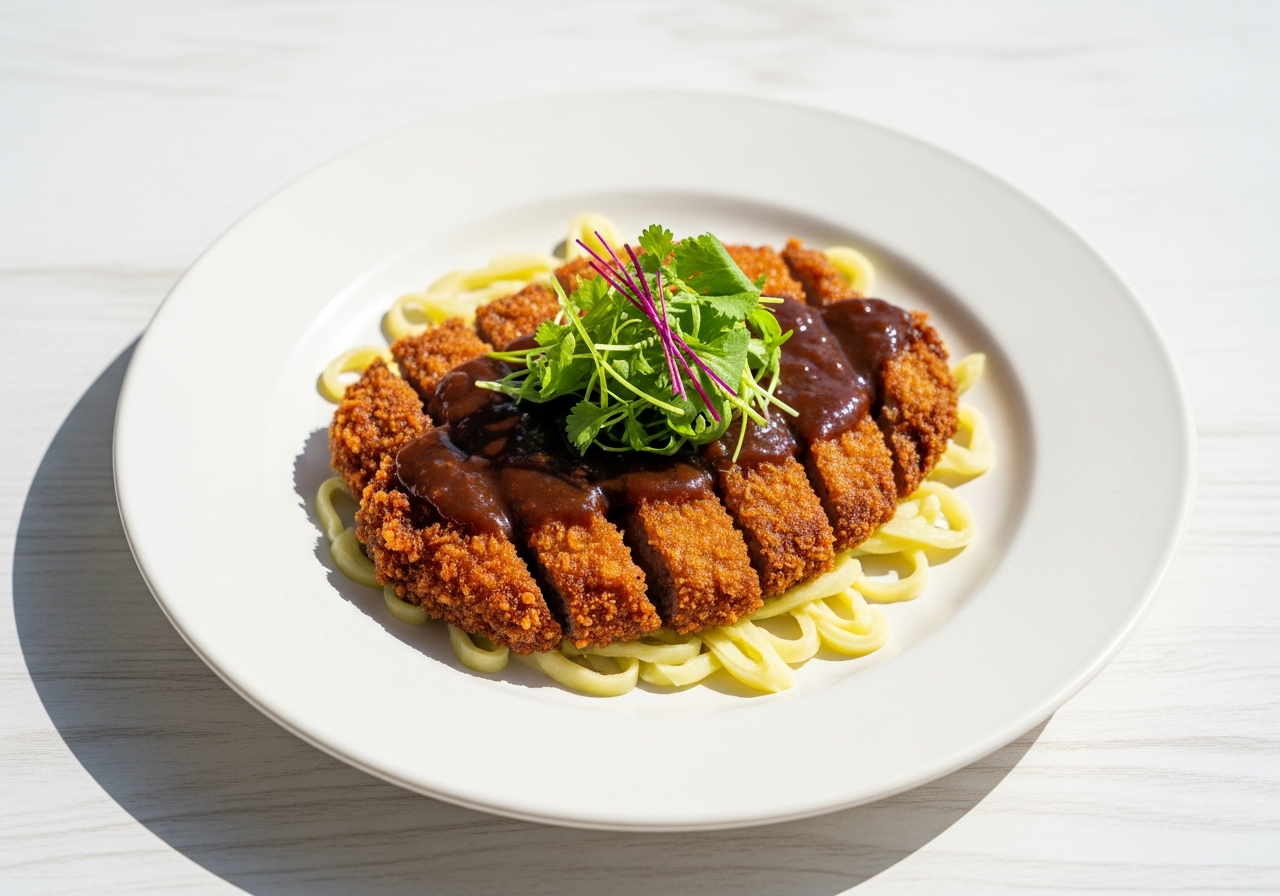
In the vibrant tapestry of Japanese cuisine, where delicate flavors and meticulous techniques intertwine, one dish stands out for it’s irresistible crunch and savory richness: Beef Katsu. Often overshadowed by its more famous relatives like Tonkatsu (pork cutlet) and Chicken Katsu,Beef Katsu unveils a mouthwatering world of crispy breaded steak that tantalizes the senses and invites culinary exploration. This article dives into the origins, readiness secrets, and cultural significance of Japan’s crispy breaded steak delight – a perfect harmony of texture and taste that continues to capture hearts, bite by crunchy bite.
Origins and Evolution of Beef Katsu in Japanese Cuisine
Beef Katsu, a beloved Japanese dish, has a rich history intertwined with Japan’s culinary evolution and Western influence. Originally inspired by European schnitzels and cutlets introduced during the Meiji era, Beef Katsu has become a distinct symbol of Japan’s ability to adopt and transform foreign flavors into uniquely Japanese comfort food. The dish’s journey from simple breaded steak to a celebrated table staple highlights a perfect harmony of texture and taste – a crunchy golden crust enveloping tender, juicy beef that melts in your mouth. This crispy breaded steak delight embodies the essence of Japanese culinary precision, where attention to detail and quality ingredients come together for an unforgettable experience.
Prep and Cook Time
Preparation: 15 minutes | Cooking: 10 minutes | Total time: 25 minutes
Yield
Serves 2-3 people
Difficulty Level
Medium – Perfect for home cooks ready to master Japanese-style frying and knife skills
Ingredients
- 400g (14 oz) beef sirloin, sliced into 1-inch thick steaks
- 1 cup all-purpose flour, sifted
- 2 large eggs, beaten
- 1 1/2 cups panko breadcrumbs (Japanese-style breadcrumbs)
- Salt and freshly ground black pepper, to taste
- Vegetable oil, for deep frying (about 2 inches in a pan)
- tonkatsu sauce, for serving
- Finely shredded cabbage, for garnish
- Lemon wedges, optional but recommended
Instructions
- Prepare the beef: Pat the beef steaks dry with paper towels to ensure a crisp crust. Lightly season both sides with salt and pepper.
- Set up the dredging stations: Place the flour in one shallow dish, the beaten eggs in another, and the panko breadcrumbs in a third.Make sure to spread out the panko for easy coating.
- Dredge the beef: First,coat each steak evenly with flour,shaking off excess flour. Next, dip into the beaten eggs, letting the excess drip off. press firmly into the panko breadcrumbs, covering all sides to create an even crust.
- Heat the oil: In a deep skillet or heavy pan,heat the vegetable oil over medium-high heat to 170°C (340°F). Test by dropping a few breadcrumbs into the oil – they should sizzle instantly.
- Fry the beef katsu: carefully place the breaded beef steaks into the hot oil. Fry for about 3-4 minutes per side or until the crust is golden brown and crisp.Avoid overcrowding the pan to maintain oil temperature.
- Drain excess oil: Remove the cooked beef from the oil and place onto a wire rack or paper towels to drain. Rest for 2 minutes before slicing.
- Slice and serve: Slice the beef katsu into strips about 1 inch wide. Arrange on a plate with shredded cabbage,a wedge of lemon,and drizzle or serve with a side of tangy tonkatsu sauce for dipping.
Tips for Success
- Choose a well-marbled cut like sirloin or ribeye for tenderness and flavor. For leaner options, flank steak can be used but take care not to overcook.
- Panko breadcrumbs are essential - their light, airy texture creates the signature crispiness. if unavailable, crush plain bread crumbs slightly coarser than usual.
- Use a thermometer for accurate oil temperature to avoid greasy or burnt coating.
- Rest the fried beef for a couple of minutes; this keeps the juices sealed and the crust crunchy.
- Make-ahead: Bread the beef steaks, then refrigerate uncooked for up to 2 hours. Fry just before serving for ultimate freshness.
Serving Suggestions
Enjoy your crispy Beef Katsu as the centerpiece of a traditional Japanese meal. Place it alongside a mound of steamed white rice or fluffy Japanese short-grain rice for balance. Garnish with finely shredded cabbage – the cool crunch contrasts beautifully with the warm, crispy beef. A drizzle of tangy tonkatsu sauce enhances the savory notes, while a fresh lemon wedge adds a refreshing hint of acidity. For an authentic touch,serve with a side of miso soup or pickled veggies for an irresistible,well-rounded feast.
| nutritional Info (per serving) | amount |
|---|---|
| Calories | 480 kcal |
| Protein | 36 g |
| Carbohydrates | 28 g |
| Fat | 22 g |

For readers eager to explore further, check out our article on how to make authentic tonkatsu sauce at home.To dive deeper into the cultural history of katsu dishes, visit Japan Guide’s overview of Japanese cuisine.
Mastering the Perfect Crispy Coating for Tender Beef
Beef Katsu Unveiled: Japan’s Crispy Breaded Steak Delight is a culinary treasure that brings the best of crispy texture and juicy tenderness in one irresistible bite. This dish, originally inspired by Japanese tonkatsu, elevates the humble breaded cutlet by introducing perfectly seared beef surrounded by a golden, crunchy crust. mastering this crispy coating means balancing precision in breading and fry temperature to lock in flavors and juices, transforming your kitchen into a haven for authentic japanese cuisine lovers.
Prep and Cook Time
Prep Time: 20 minutes | Cook time: 10 minutes | Total Time: 30 minutes
Yield
Serves 4 hungry diners
Difficulty Level
Medium – approachable for home cooks looking to refine frying techniques
Ingredients
- 1 lb beef sirloin steak, trimmed and pounded to ½ inch thickness
- 1 cup all-purpose flour, sifted
- 2 large eggs, beaten until smooth
- 1 ½ cups panko breadcrumbs, for ultimate crispiness
- ½ teaspoon salt
- ¼ teaspoon freshly ground black pepper
- Vegetable oil or canola oil, for frying (about 1 inch deep)
- 1 tablespoon tonkatsu sauce (optional, for serving)
- Shredded cabbage and lemon wedges, for garnish
Instructions
- Prepare the beef: Lightly season both sides of the sirloin steak with salt and pepper. Place between two sheets of plastic wrap and gently pound with a meat mallet until even and tender, about ½ inch thick.
- Set up your breading station: Arrange three shallow dishes – flour in the first,beaten eggs in the second,and panko breadcrumbs in the third. Ensure your panko is fresh for maximum crunch.
- Coat the steak: Dredge the beef first in the flour, shaking off any excess. Next, dip it fully into the beaten eggs, allowing any drip to fall back into the bowl. press the steak firmly into the panko breadcrumbs, turning gently to coat all sides evenly.
- Rest briefly: Place the breaded steak on a wire rack and let it sit for 5-10 minutes.This step helps the coating adhere better and prevents it from falling off during frying.
- Heat the oil: Pour vegetable oil into a wide skillet to a depth of about 1 inch. Heat over medium-high until it registers 350°F (175°C) on a kitchen thermometer or a small breadcrumb sizzles immediately when dropped in.
- Fry the steak: Carefully lay the breaded beef into the hot oil. Fry for 3-4 minutes on each side or until the coating turns a deep golden brown and crispy. Avoid crowding the pan to maintain oil temperature.
- Drain and rest: Remove the steak and place on a clean wire rack or paper towels to drain excess oil. let it rest for a few minutes; this locks in juiciness while keeping the crust crisp.
- Slice and serve: Cut the beef katsu into strips, garnish with shredded cabbage and lemon wedges, and drizzle with tonkatsu sauce if desired.
Tips for success
- Use chilled eggs and dry ingredients: This ensures a tighter adhesion and crispier texture in your breading.
- panko breadcrumbs: The key to that eye-catching crunch - avoid fine breadcrumbs or stale panko which can lead to sogginess.
- Oil temperature: Maintain it between 340°F and 360°F. Too cool and the coating absorbs oil; too hot and it burns before cooking through.
- Make ahead: You can bread the beef and refrigerate it for up to 2 hours before frying, but avoid long storage to keep panko fresh.
- Substitutions: Substitute sirloin for ribeye or flank steak if preferred, though thicker cuts may require longer cooking times.
- Troubleshooting: If the coating separates during frying, press the breadcrumbs on more firmly and ensure the beef’s surface is pat-dried before starting.
Serving Suggestions
For an elevated presentation, arrange the crispy beef katsu strips on a bed of finely shredded cabbage, drizzle thin ribbons of tonkatsu sauce, and scatter fresh lemon wedges around. Serve with a side of steamed Japanese rice and a miso soup to complete the authentic experience. A small bowl of pickled ginger adds a bright contrast to the crispy and savory bite.For visual appeal, sprinkle some toasted sesame seeds or thinly sliced scallions atop the katsu, inviting your guests to a feast for both palate and eyes.

| Nutrition (Per Serving) | Amount |
|---|---|
| Calories | 470 kcal |
| Protein | 38 g |
| Carbohydrates | 25 g |
| Fat | 22 g |
For more authentic Japanese recipes that complement this dish, be sure to check out our Japanese Side Dishes collection. To deepen your understanding of cooking oils and frying techniques, visit this complete guide by Serious Eats.
Essential Ingredients and techniques for Authentic Flavor
Beef Katsu Unveiled starts with a foundation of bold simplicity in its ingredients and perfected frying techniques. To achieve that iconic,irresistibly crispy crust that contrasts with the juicy steak inside,selecting the right beef cut and mastering the breading process is essential. This Japanese classic balances texture and flavor by combining quality proteins, light yet crunchy panko breadcrumbs, and a delicate assembly of seasoning and frying oils. The magic lies not only in what goes into the dish but how each step unlocks those authentic, mouthwatering layers of taste.
Prep and Cook time
- Preparation: 20 minutes
- Cooking: 10 minutes
- Total Time: 30 minutes
Yield
Serves 4 hearty portions, perfect for sharing with family or friends.
Difficulty Level
Medium – approachable for home cooks ready to explore Japanese techniques, with just a bit of frying finesse involved.
Ingredients
- 1 lb (450g) beef sirloin steak, cut into 1/2-inch thick slices
- 1 cup all-purpose flour, sifted
- 2 large eggs, beaten
- 1 1/2 cups panko breadcrumbs (Japanese-style breadcrumbs)
- Salt and freshly ground black pepper, to taste
- Vegetable oil (for deep frying)
- Japanese tonkatsu sauce, for serving
- 1 tablespoon soy sauce (optional, for marinating)
- 1 teaspoon grated ginger (optional, for added depth)
Instructions
- Prepare the beef: Trim any excess fat from the beef sirloin slices. Lightly season both sides with salt and pepper. For an extra layer of umami, gently marinate with soy sauce and grated ginger for 10 minutes if desired.
- Set up your breading station: Arrange three shallow dishes side by side. Place the sifted flour in the first, beaten eggs in the second, and panko breadcrumbs in the third. The panko will give the golden crust its signature light crunch.
- Coat the beef: Dredge each beef slice first in the flour, shaking off excess to avoid clumps. Next, dip into the beaten eggs, ensuring a uniform coating. press firmly into the panko breadcrumbs, gently patting so the crumbs adhere well but do not crumble.
- Heat the oil: In a heavy-bottomed skillet or deep fryer,heat the vegetable oil to 350°F (175°C). Enough oil to submerge at least halfway the beef slices ensures even frying and crispy results.
- Fry the beef: Carefully place one or two pieces at a time into the hot oil. Fry until the coating turns golden brown, about 3-4 minutes per side. Maintain a consistent oil temperature for an even crust without absorbing excess grease.
- Drain and rest: Remove beef katsu from oil using a slotted spoon and place on paper towels to drain. Let rest for 2-3 minutes to lock in juices before slicing.
- Slice and serve: Cut into thin strips against the grain. Serve alongside steamed rice, shredded cabbage, and a drizzle of tonkatsu sauce for that classic finish.
Tips for Success
- Choosing the cut: sirloin is preferred for its balance of tenderness and flavor, but ribeye or tenderloin can also work if you prefer richer or more delicate textures.
- Freshness matters: Use freshly panko breadcrumbs for the crispiest crust. Avoid stale or pre-packaged crumbs that lose crunch.
- Oil temperature: Maintain 350°F. Lower temps result in greasy katsu; higher temps risk burning the crust before the steak is cooked inside.
- Double coating: For an ultra-crispy layer, you can repeat the egg and panko steps once more-just be mindful of the steak’s thickness to avoid an overdone interior.
- Make ahead: Bread the beef and refrigerate for up to 1 hour before frying.This helps the coating adhere better and shortens active cooking time.
Serving Suggestions
Present your Beef Katsu Unveiled masterpiece on a clean white plate for maximum visual contrast, garnished with finely shredded green cabbage and a wedge of lemon for a refreshing zing. A small bowl of tonkatsu sauce on the side invites dipping, highlighting the crispiness and beef’s juicy interior. Complement the ensemble with steamed white rice or Japanese pickles (tsukemono) to balance the savory richness. For a modern twist, drizzle a touch of spicy mayo or sprinkle toasted sesame seeds for added texture and flavor pop.

Nutritional Information per serving
| Calories | Protein | carbohydrates | Fat |
|---|---|---|---|
| 450 kcal | 35g | 30g | 18g |
Enhance your Japanese culinary journey by exploring our Tonkotsu Ramen Recipe for an authentic ramen pairing to elevate your meal. For more on the science behind perfect frying temperatures, visit serious Eats.
Pairing Suggestions and Serving Tips to Elevate Your Beef Katsu Experience
Beef Katsu is more than just a crispy breaded steak; it’s a symphony of textures and flavors that shine brightest when paired thoughtfully. To truly elevate your Beef Katsu Unveiled: Japan’s Crispy breaded Steak Delight, consider complementing this dish with accompaniments that balance richness, add freshness, and celebrate the umami-packed profile of the katsu.
Perfect pairings to complement the Crispy Steak
- Steamed Japanese Rice: A classic side that soaks up every succulent bite of sauce while providing a neutral contrast to the crispy beef. Opt for short-grain sushi rice for authentic texture and stickiness.
- Refreshing Cabbage Slaw: thinly shredded green cabbage dressed lightly with a tangy sesame-soy vinaigrette adds crunch and brightness, cutting through the richness of the fried cutlet.
- Miso Soup: warm and subtly savory, miso soup with scallions and tofu offers comforting depth, enhancing the umami richness in your meal.
- Tonkatsu Sauce: This sweet and tangy Japanese-style barbecue sauce is essential. Drizzle generously over your Beef Katsu or serve on the side for dipping. For a homemade twist, mix Worcestershire sauce, ketchup, and soy sauce to form a swift substitute.
- Pickled Vegetables (Tsukemono): Adding a small plate of pickled daikon or cucumber provides a refreshing acidic contrast, perfect for cleansing the palate between bites.
Serving Tips for Visual and Flavor Impact
Presentation matters as much as taste when serving Beef Katsu. Slice the cutlet into even strips before plating to showcase the golden crust and juicy interior. Arrange neatly atop a bed of steamed rice with a side of salad or slaw. Garnish with finely chopped green onions or a sprinkle of toasted sesame seeds for a pop of color and subtle nutty aroma.
For an elegant touch, serve with a wedge of lemon to brighten the palate and enhance the beef’s natural flavors.
Consider pairing your meal with a crisp, chilled Japanese beer or sake; these beverages cut through the fried textures while highlighting the savory notes.

Simple Side dish: Miso Soup Recipe
Enhance your Beef Katsu experience with this quick and soothing miso soup:
- 4 cups dashi stock
- 3 tablespoons miso paste
- 1/2 cup diced soft tofu
- 2 tablespoons sliced green onions
Heat dashi until warm but not boiling. Whisk in miso paste until dissolved, add tofu and green onions, and simmer gently for 2 minutes.
Nutritional Breakdown Per Serving
| Nutrient | Amount |
|---|---|
| Calories | 520 kcal |
| Protein | 38 g |
| Carbohydrates | 40 g |
| Fat | 22 g |
By balancing hearty Beef Katsu with light, fresh sides and thoughtful garnishes, you’ll craft a meal that delights all senses and truly highlights why this crispy breaded steak remains a beloved dish in Japan-and now at your table.
For more tasty Japanese recipes, explore our Japanese recipe collection. To deepen your understanding of Japanese culinary traditions, visit the Japan Guide – Japanese Food Culture.
To conclude
As the golden crust of beef katsu crackles with each bite, it reveals more than just a meal-it uncovers a delicious chapter of Japan’s culinary artistry. From its humble origins to its celebrated status on dining tables around the world, beef katsu stands as a testament to the beauty of simple ingredients transformed by expert technique. Whether you’re a seasoned foodie or an adventurous eater, this crispy breaded steak delight invites you to experience a symphony of textures and flavors that is uniquely Japanese. So next time you’re craving somthing comfortingly crispy yet decadently savory, remember that beef katsu awaits-a crunchy gateway to Japan’s rich gastronomic heritage.