
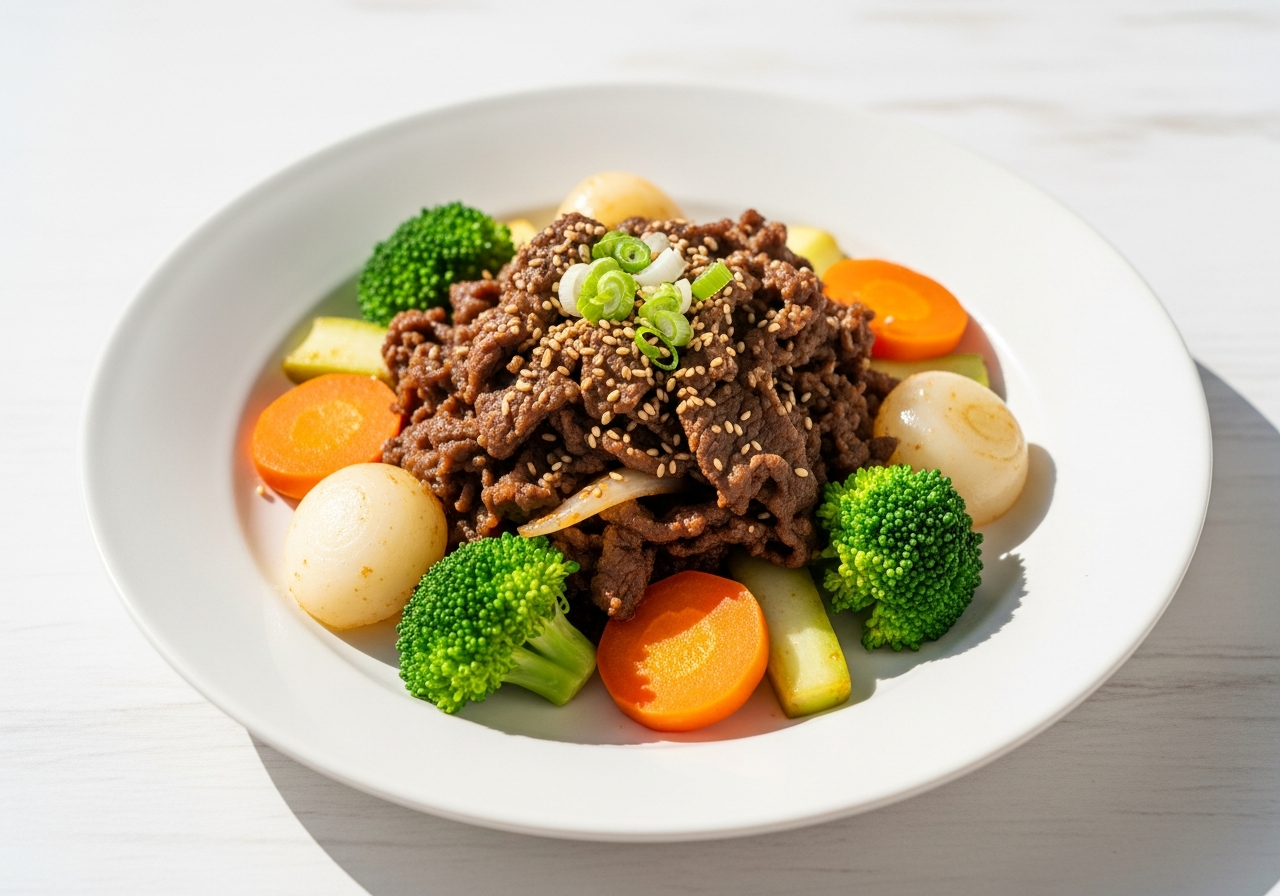
There’s a story simmering in every slice of Korean bulgogi beef-a tale of tradition, flavor, and centuries-old culinary artistry. This iconic dish, with its succulent marinated meat caramelized to perfection, invites food lovers on a journey through Korea’s vibrant culture and rich history. Beyond its mouthwatering taste, bulgogi is a celebration of communal dining and the intricate balance of sweet, savory, and smoky notes that define korean cuisine. Join us as we delve into the flavorful world of bulgogi, uncovering the secrets behind its timeless appeal and why it continues to captivate palates around the globe.
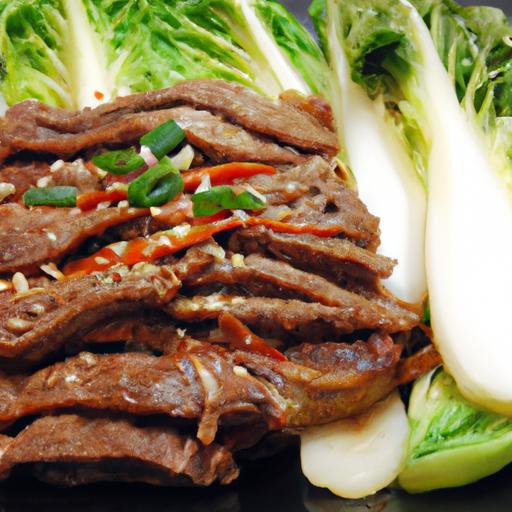
The Origins and Cultural Significance of Bulgogi in Korean Cuisine
Savoring Korean Bulgogi Beef is an immersive culinary journey that brings the rich history of Korea’s traditional barbecue into your kitchen. This iconic dish, characterized by its tender, marinated slices of beef, perfectly captures the harmonious balance of sweet, savory, and umami flavors that have been celebrated for centuries. Originating from royal Korean cuisine and home-style feasts alike, bulgogi reflects a deep cultural significance as a symbol of hospitality, festivity, and communal dining.
Often enjoyed during celebrations and family gatherings, bulgogi’s name literally means “fire meat,” referring to its original cooking method over an open flame. over time, this beloved dish evolved beyond palace walls, spreading to street markets and household tables across Korea. The marination technique, which tenderizes the meat with ingredients like soy sauce, garlic, and pear juice, highlights traditional Korean seasonings that enhance natural flavors without overpowering them. Whether served atop fluffy rice, wrapped in crisp lettuce, or paired with Korean side dishes known as banchan, bulgogi remains a timeless expression of Korean culinary artistry.
Prep and Cook Time
- Planning: 15 minutes (plus 2-3 hours marinating time)
- Cook Time: 7-10 minutes
- Total Time: Approximately 2 hours 30 minutes
Yield
Serves 4 people
difficulty level
Medium – ideal for adventurous home cooks ready to master authentic flavors with approachable steps.
Ingredients
- 1 lb (450g) thinly sliced beef ribeye or sirloin, ideally freezer-slightly firm for slicing ease
- 1/4 cup soy sauce (preferably Korean soy sauce for depth)
- 2 tbsp brown sugar or honey for natural sweetness
- 2 tbsp Asian pear or apple, grated (for tenderizing)
- 3 cloves garlic, minced
- 1 tbsp sesame oil
- 1 tbsp toasted sesame seeds
- 1/2 tsp freshly ground black pepper
- 1 medium yellow onion, thinly sliced
- 2 green onions, finely chopped
- 1 tsp ginger, grated (optional, for extra warmth)
- 1 tbsp mirin or rice wine (optional, enhances umami)
- 1 small carrot, julienned (optional, for added color and sweetness)
Instructions
- Prepare the beef: If not pre-sliced, partially freeze the beef to about 75% frozen, then thinly slice against the grain to about 1/8 inch thickness for optimal tenderness.
- Make the marinade: In a large bowl, whisk together soy sauce, brown sugar, grated asian pear, minced garlic, sesame oil, sesame seeds, black pepper, ginger, and mirin until sugar dissolves wholly.
- Add the vegetables: Stir in thinly sliced onions, green onions, and julienned carrots to infuse vibrant flavor and texture.
- Marinate the beef: Toss the sliced beef in the marinade ensuring every piece is well coated. Cover and refrigerate for at least 2 hours, preferably overnight, to maximize flavor infusion and tenderness.
- Cook the beef: Heat a large skillet or grill pan over medium-high heat. Lightly oil the surface. Add the marinated beef in a single layer (cook in batches if necessary). Sauté until the beef is cooked through and caramelized,about 5-7 minutes,stirring frequently to prevent sticking and promote even browning.
- Finish and serve: Remove from heat and sprinkle extra toasted sesame seeds and sliced green onions as garnish. Serve immediately for best texture and flavor.
Chef’s Notes and Tips for Success
- For authentic flavor, seek out Korean soy sauce and Asian pear, but Asian apple or kiwi substitute can work in a pinch to tenderize.
- Marinating overnight allows the beef to soak up more complex umami notes and tenderizes to melt-in-mouth perfection.
- Use ribeye or sirloin known for marbling; lean cuts tend to be less tender and smoky.
- To make bulgogi without a grill pan, a cast iron skillet or even broiler works well for that signature caramelization.
- Make-ahead tip: Marinated beef can stay in fridge up to 48 hours or freeze for up to 1 month.Thaw completely for best texture before cooking.
- For a vegetarian twist, substitute thinly sliced king oyster mushrooms, and omit meat-specific marinades while keeping the seasoning profile.
Serving Suggestions
Savor this flavor-packed tradition wrapped in crisp lettuce leaves, along with steamed rice and an array of colorful Korean banchan like kimchi and pickled radishes. Add a dollop of ssamjang (spicy soybean paste) to elevate the taste experience. Garnishing with freshly chopped scallions and toasted sesame seeds adds a vibrant finish that delights visually and palatably. Pair with a cold Korean rice wine (makgeolli) or lightly chilled soju for an authentic feast.

Nutritional Data
| Nutrient | Per serving |
|---|---|
| Calories | 320 kcal |
| Protein | 28 g |
| Carbohydrates | 12 g |
| Fat | 18 g |
For more on traditional Korean dishes and their cultural contexts, visit the official Korean cultural portal.
Mastering the Marinade A Deep Dive into Bulgogi’s Signature Flavor Profile
Savoring Korean Bulgogi Beef begins with mastering the marinade-the heart and soul that infuses each tender slice with its signature sweet, savory, and subtly smoky notes. Originating from Korea’s royal court cuisine, this marinade evolved into a beloved street food classic, celebrated for balancing fragrant garlic, rich soy, and a touch of fruity complexity, often from Asian pear or apple.As a longtime enthusiast of this dish, I cherish the alchemy that happens when the marinade soaks deep into thinly sliced beef, transforming it into a caramelized, melt-in-your-mouth delight reminiscent of traditional Korean gatherings.
Prep and Cook Time
- Preparation: 20 minutes
- Marinating: Minimum 2 hours, ideally overnight
- Cooking: 8-10 minutes
Yield
Serves 4 generous portions
Difficulty Level
Medium – perfect for home cooks looking to elevate their Korean cuisine skills
Ingredients
- 1 lb (450g) thinly sliced beef ribeye or sirloin (partially frozen for easier slicing)
- 1/2 cup soy sauce (preferably Korean soy sauce for authenticity)
- 1/4 cup granulated sugar (adjust to taste for sweetness)
- 1/4 cup grated Asian pear or Fuji apple (adds natural sweetness and tenderizes)
- 3 cloves garlic, minced finely
- 2 tbsp sesame oil
- 1 tbsp toasted sesame seeds
- 1 small yellow onion, grated or pureed
- 2 green onions, chopped finely
- 1 tsp freshly ground black pepper
- 1 tbsp mirin (optional, for subtle acidity and sweetness)
- 1/2 tsp chili flakes (optional, for a gentle kick)
Instructions
- Prepare the beef: Thinly slice beef against the grain.For easier slicing, partially freeze the meat for 30 minutes beforehand.
- Mix the marinade: In a large bowl,combine soy sauce,sugar,grated Asian pear,garlic,grated onion,sesame oil,sesame seeds,green onions,black pepper,mirin,and chili flakes (if using). Stir thoroughly until sugar dissolves and ingredients are evenly distributed.
- Marinate the beef: Add the sliced beef to the marinade, tossing gently to coat every piece. Cover and refrigerate for at least 2 hours-overnight is best for deep flavor penetration.
- cook the bulgogi: Heat a large skillet or grill pan over medium-high heat. Add the beef in batches, spreading it out for even browning. Sauté until the edges caramelize and the beef is cooked through, about 4-5 minutes per batch. Avoid overcrowding the pan to ensure proper searing.
- Rest and serve: Once cooked, transfer the bulgogi to a warm plate, allowing the juices to settle before plating.
Chef’s Notes & Tips for Success
- Meat choice: Ribeye offers the perfect balance of marbling and tenderness, but sirloin or brisket works well too.
- Marinating: The longer, the better-overnight marinating develops deeper and more authentic flavors.
- Fruit Variations: Pear is traditional, but Fuji apple or even kiwi puree can be creative tenderizers.
- Gluten-Free: Substitute soy sauce with tamari and ensure your mirin is gluten-free.
- Make-Ahead: Marinade the beef a day ahead, then freeze in a zip-top bag. Thaw before cooking for maximum flavor and convenience.
- Cooking Tip: Use high heat to get those gorgeous caramelized edges but watch closely to prevent burning.
Serving Suggestions
Present bulgogi sizzling hot atop a bed of steamed white rice. garnish with an extra sprinkle of toasted sesame seeds and finely sliced green onions for color and crunch. Pair with crisp kimchi and a simple salad of julienned cucumbers tossed in a light chili-vinegar dressing for contrast. For an immersive experience,wrap bulgogi in lettuce leaves with a dab of ssamjang (spicy soybean paste) and fresh garlic slices. Serve with chilled Korean pear slices on the side to echo the marinade’s fruity notes-refreshing and palate-cleansing.

Nutritional Information (Per Serving)
| Calories | Protein | Carbs | Fat |
|---|---|---|---|
| 350 kcal | 28 g | 10 g | 18 g |
Delve deeper into Korean culinary traditions by exploring our kimchi Fried Rice recipe. For the history and ingredients of Korean soy sauce used here, visit the Korea Herald’s in-depth article.
Cooking Techniques to Achieve Perfectly tender and Juicy Bulgogi
Savoring Korean Bulgogi Beef begins with mastering the art of tenderizing and flavor-infusing the thinly sliced meat to perfection. This beloved Korean classic combines sweet, savory, and umami notes that can only be unlocked through precise cooking techniques designed to preserve the juiciness and tenderness that define authentic bulgogi.
Prep and Cook Time
Preparation: 20 minutes (excluding marinating time)
Marinating: 1-2 hours (or overnight for best results)
Cooking: 8-10 minutes
Yield
Serves 4 generously, perfect for a family meal or a vibrant Korean BBQ experience.
Difficulty Level
Medium: Requires some marinating time and attention to slicing, but approachable for keen home cooks.
Ingredients
- 1 lb (450g) thinly sliced beef ribeye or sirloin,well-marbled
- 1/4 cup soy sauce (preferably Korean soy sauce for depth)
- 2 tbsp brown sugar or honey for sweetness
- 2 tbsp grated Asian pear (for natural tenderizing)
- 1 tbsp sesame oil
- 3 cloves garlic,minced
- 1 tsp freshly ground black pepper
- 2 green onions,finely chopped
- 1 small onion,thinly sliced
- 1 tsp grated ginger
- 1 tsp toasted sesame seeds (for garnish)
- Optional: 1 tsp gochujang (Korean chili paste) for a subtle spicy kick
Instructions
- Prepare the beef: Ensure your beef ribeye is thinly sliced,ideally about 1/8 inch thick. Partially freeze the meat for 20 minutes beforehand to make slicing easier and more uniform.
- Mix the marinade: In a large bowl, combine soy sauce, brown sugar, grated Asian pear, sesame oil, garlic, black pepper, ginger, and green onions. Stir well until the sugar dissolves completely.
- Marinate the beef: Add the sliced beef and thin onion slices into the marinade. Use hands or tongs to ensure every slice is coated. Cover and refrigerate for at least 1 hour, preferably overnight to maximize tenderness and flavor penetration.
- Heat your pan: Use a cast iron skillet or a grill pan over medium-high heat. Allow it to heat until slightly smoking, which is key to searing without stewing the meat.
- Sear the beef: Add the marinated beef and onions in batches to avoid overcrowding, which leads to steaming. Cook each batch for 2-3 minutes per side, or until nicely caramelized and just cooked through – juicy and not dry. Stir gently halfway to ensure even browning.
- Finish with sesame seeds: sprinkle toasted sesame seeds over the cooked bulgogi for a nutty aroma and visual appeal.
- Serve immediately: Transfer to a serving dish, garnish with extra green onions, and enjoy while hot and juicy.
Tips for Success
- Choose the right cut: Ribeye or sirloin with good marbling ensures tenderness. Leaner cuts may become tough quickly.
- Marinate sufficiently: The natural enzymes in Asian pear break down proteins, making the beef juicy and tender. Avoid rushing this step.
- Cook high and fast: Searing quickly over high heat locks in juices and builds complex browning flavors (the maillard reaction).
- Avoid overcrowding: Drop the beef in batches-crowding traps moisture and steams the meat, preventing that tasty crust.
- Make-ahead option: Marinate your bulgogi beef the night before and keep covered in the fridge. It intensifies flavor and simplifies meal prep.
- For spicier notes: Incorporate gochujang into the marinade or serve with a side of kimchi or spicy dipping sauces.
Serving Suggestions
The best way to honor bulgogi is by presenting it with authenticity and complementary textures. Serve your bulgogi on a platter surrounded by steamed white rice, crisp lettuce leaves, and an assortment of colorful banchan (Korean side dishes) like kimchi, pickled radish, and seasoned spinach.
For garnishes, sprinkle extra toasted sesame seeds and freshly chopped green onions atop the bulgogi.You can also offer slices of fresh garlic and green chili for guests who love a kick.Wrapping the meat in fresh lettuce with a dab of ssamjang (fermented chili paste) creates an interactive, fun dining experience that truly celebrates this Korean tradition.
Pair with a cold Korean rice beer or a fruity Soju cocktail for an authentic ambiance and a complete feast.

| Nutrient | Per Serving |
|---|---|
| Calories | 320 kcal |
| Protein | 28g |
| Carbohydrates | 12g |
| Fat | 18g |
For further inspiration in Korean cuisine techniques, check out our detailed guide on korean banchan Recipes. To deepen your understanding of the Maillard reaction and meat searing, explore this article from Serious Eats.
Pairing and Serving Suggestions to Enhance Your Bulgogi Experience
Savoring Korean Bulgogi Beef is more than enjoying a marinated, grilled delight – it’s embracing a centuries-old tradition that balances sweet, savory, and smoky notes in every tender bite. Originating from Korea’s royal courts, this flavorful dish invites you to create an experience that’s vibrant, communal, and utterly memorable.
Prep and Cook time
- Preparation Time: 20 minutes (plus 2 hours marinating)
- Cook Time: 10 minutes
- Total Time: 2 hours 30 minutes
Yield
Serves 4 hungry guests,perfect for a shared feast.
Difficulty Level
Medium – Requires some marinating patience but simple cooking technique.
ingredients
- 1 lb thinly sliced ribeye beef or sirloin
- ½ cup soy sauce (preferably Korean ganjang)
- 3 tbsp brown sugar
- 1 tbsp honey
- 2 tbsp sesame oil
- 4 cloves garlic, minced
- 1 small onion, finely grated
- 1 tsp freshly ground black pepper
- 2 green onions, sliced thin
- 1 tbsp grated ginger
- 1 tbsp toasted sesame seeds (for garnish)
- Optional: 1 small carrot, julienned
- Optional: 2 tbsp Korean pear juice or grated pear (for tenderizing)
Instructions
- Prepare the marinade: In a medium bowl, whisk together soy sauce, brown sugar, honey, sesame oil, garlic, grated onion, ginger, and black pepper until well combined.
- Marinate the beef: add the thinly sliced beef to the marinade along with the green onions and optional julienned carrot or pear. Toss gently until the beef is thoroughly coated. Cover and refrigerate for at least 2 hours, or overnight for deeper flavor and tenderness.
- Preheat a skillet or grill pan: heat over medium-high heat until hot but not smoking.
- cook the beef: Using tongs, arrange the marinated beef slices in a single layer. Sauté for 2-3 minutes on each side until the beef is browned and caramelized, turning once. Avoid overcrowding the pan to ensure a perfect sear.
- Garnish: Sprinkle with toasted sesame seeds and additional chopped green onions for a fresh finish.
- Rest briefly: Allow the beef to rest for 2 minutes before serving,letting juices redistribute for optimum juiciness.
Chef’s Notes & Tips for Success
- Cut Selection: Choose well-marbled cuts like ribeye or sirloin for rich flavor and tenderness essential to authentic bulgogi.
- Marination Time: Patience is key-marinating overnight boosts flavor and softens the beef dramatically.
- Cooking Heat: Keep the pan hot to achieve that signature caramelized crust; avoid steaming by not crowding the pan.
- Substitutions: For a lighter touch, substitute brown sugar with coconut sugar or maple syrup.
- Make-Ahead: Marinated beef can be prepared a day ahead and stored in an airtight container, making weeknight meals effortless.
Nothing elevates the Savoring Korean Bulgogi Beef experience like thoughtfully chosen accompaniments that highlight the dish’s bold, umami-rich flavors. Start by serving the beef atop a bed of steaming white jasmine or short-grain rice, whose subtle aroma provides a perfect balance to the sweet-savory marinade. For extra texture and freshness, assemble a platter of crisp, crunchy kimchi-a classic Korean fermented cabbage side that adds tang and spice.
Presented on large, rustic plates, the beef’s glossy caramelization will glisten invitingly under a shower of sesame seeds and thinly sliced green onions. Offer a vibrant selection of garnishes, such as sliced fresh chili peppers for heat lovers, or a cool cucumber salad tossed with rice vinegar and a hint of sugar for contrast. Incorporate crisp lettuce leaves or perilla leaves for those who enjoy wrapping the tender beef with fragrant herbs-creating personalized mini bites burst with texture and flavor.
For beverages, pair the meal with a chilled glass of light-bodied Korean rice wine (makgeolli), whose slightly effervescent and sweet profile complements the richness beautifully. Alternatively, a classic green tea or a bold light lager can cleanse the palate between savory bites.
For an added flair, sprinkle thin strips of toasted seaweed (gim) over the plate, introducing a delicate brininess that harmonizes with the smoky notes of the bulgogi beef. To finish the presentation, a drizzle of gochujang-based dipping sauce on the side sparks a pleasant heat that cuts through the sweetness and ties each element together.

In summary
As the smoky, sweet aroma of bulgogi lingers in the air, it’s clear that this beloved Korean dish is more than just a meal-it’s a flavorful bridge connecting history, culture, and community. Each tender slice of marinated beef carries with it stories of time-honored recipes and shared moments around the table.Whether you’re a seasoned foodie or a curious newcomer, savoring bulgogi offers a delicious invitation to explore Korea’s culinary heritage, one savory bite at a time. So next time you grill those thinly sliced strips of beef, remember-you’re not just cooking dinner, you’re partaking in a rich tradition that’s been perfected over generations.