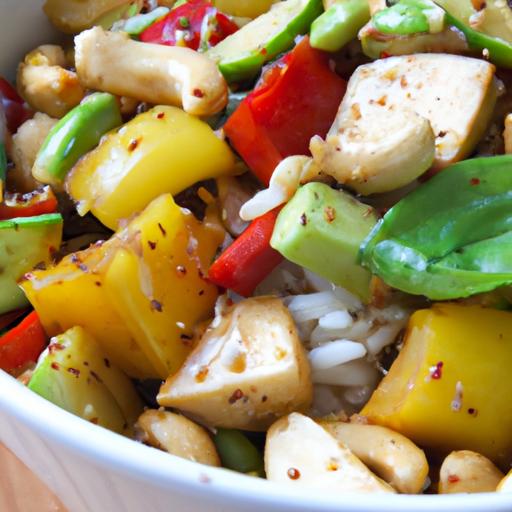

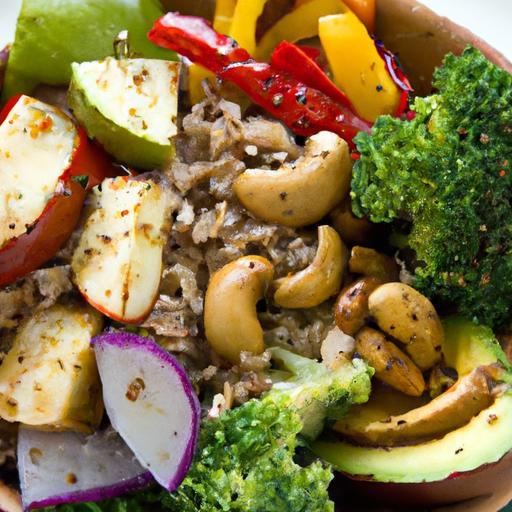
Bursting with vibrant hues and brimming with wholesome ingredients, colorful vegan Buddha bowls have swiftly become a beloved staple for those seeking a nutritious, plant-powered feast. These visually stunning meals are more than just a treat for the eyes-they are a carefully crafted balance of flavors, textures, and nutrients that celebrate the bounty of nature’s harvest. Whether you’re a devoted vegan, a health-conscious foodie, or simply curious about incorporating more plants into your diet, Buddha bowls offer a versatile and satisfying way to nourish your body and delight your palate. Join us as we explore the art and science behind these colorful creations and discover how to assemble your own nutrient-packed bowls that fuel vitality and joy in every bite.
Colorful Vegan Buddha Bowls: A Nutritious Plant-Powered Feast
Colorful vegan Buddha bowls celebrate the art of layering flavors and textures in a way that is both visually stunning and nutritionally satisfying. Born from a tradition of mindful eating and balanced nutrition, these bowls embody a harmonious blend of crispy, creamy, tangy, and earthy ingredients that delight the senses. Whether you’re seeking a vibrant lunch or a nourishing dinner, this adaptable dish invites you to customize freely, using wholesome plant-powered staples that maximize both taste and health.
Prep and Cook Time
Preparation: 20 minutes
Cooking: 25 minutes
Total Time: 45 minutes
yield
Serves 4 vibrant, satisfying bowls
Difficulty Level
Easy to Medium - perfect for both kitchen novices and seasoned home cooks
Essential Plant-powered Ingredients for Maximum Nutrition and Taste
- 1 cup cooked quinoa (or your choice of brown rice or farro for a hearty base)
- 1 can (15 oz) chickpeas, drained and rinsed
- 2 cups fresh kale, chopped finely
- 1 medium sweet potato, cubed and roasted
- 1 cup shredded red cabbage for crunch and vibrant color
- 1 ripe avocado, sliced for creamy richness
- 1/2 cup steamed edamame for punchy, plant-based protein
- 2 tablespoons hemp seeds for nutty flavor and omega-3s
- 2 tablespoons toasted pumpkin seeds for texture and healthy fats
Creative Toppings and Dressings to Elevate Your Vegan Buddha Bowl Experience
- Miso-tahini dressing: Whisk 3 tablespoons tahini, 1 tablespoon white miso, 1 tablespoon lemon juice, 1 teaspoon maple syrup, and 2-3 tablespoons water until smooth
- Pickled red onions: thinly slice 1/2 red onion and soak in apple cider vinegar with a pinch of salt and sugar for 20 minutes
- Fresh herbs: Chopped cilantro, parsley, or mint to brighten flavors
- Chili flakes or smoked paprika: For subtle heat and smoky notes
- Sprouts or microgreens: Add freshness and concentrated nutrients on top
Crafting Balanced Meals with Protein, Fiber, and Healthy Fats
each colorful vegan Buddha bowl is thoughtfully crafted to include a balance of protein from chickpeas and edamame, fiber from kale, cabbage, and quinoa, and healthful fats from avocado and seeds. This flavorful synergy not only fuels your body but keeps you feeling full and energized.
Instructions
- Prepare the base: Cook quinoa according to package instructions and set aside to cool slightly.
- roast the sweet potato: Toss cubed sweet potato in a drizzle of olive oil and a pinch of salt. Roast at 400°F (200°C) on a baking sheet for 20-25 minutes until golden and tender.
- Sauté the kale: In a skillet, heat 1 teaspoon olive oil over medium heat. Add chopped kale and a pinch of salt, sauté for 3-4 minutes until just wilted but still vibrant. Set aside.
- Crisp the chickpeas: Pat the drained chickpeas dry, then sauté in a small skillet with 1 teaspoon smoked paprika and a pinch of salt over medium-high heat until golden and slightly crisp, about 5 minutes.
- Steam the edamame: Boil or steam shelled edamame for 3-4 minutes until tender and bright green. Drain well.
- Assemble the bowl: In each bowl, start with a generous scoop of quinoa. Arrange the roasted sweet potatoes, sautéed kale, shredded red cabbage, chickpeas, edamame, and sliced avocado artistically around the bowl.
- Add toppings: Sprinkle with hemp seeds, pumpkin seeds, and pickled red onions. Garnish with fresh herbs and a pinch of chili flakes if desired.
- Dress and serve: Drizzle the miso-tahini dressing over the assembled bowls right before serving to preserve texture and freshness.
Chef’s Notes
- For extra creaminess, swap avocado for a scoop of hummus or cashew cream.
- Swap quinoa for couscous or wild rice for variety and regional flair.
- season chickpeas with curry powder or za’atar for diffrent spice profiles.
- Make-ahead tip: Roast sweet potatoes and prepare quinoa one day in advance for quicker assembly.
- Substitute edamame with green peas or steamed asparagus tips if preferred or out of stock.
Serving Suggestions
Present these bowls in wide, shallow dishes to showcase the vivid colors and textures. Serve with extra dressing on the side for guests to personalize their bowls. Pair with a chilled glass of citrus-infused sparkling water or a light white wine to balance the richness and bring out the fresh notes.

| Nutrient | Per Serving |
|---|---|
| Calories | 420 kcal |
| Protein | 18 g |
| Carbohydrates | 55 g |
| Fat | 15 g |
| Fiber | 12 g |
For more nourishing plant-powered recipes that celebrate flavor and balance,explore our collection of vegan dishes. To deepen your understanding of plant-based nutrition, visit the USDA’s vegetable guide.
Q&A
Q&A: Colorful Vegan Buddha Bowls – A Nutritious Plant-Powered Feast
Q1: What exactly is a Buddha Bowl?
A Buddha Bowl is a vibrant, thoughtfully composed meal that typically features a balanced mix of plant-based ingredients.Imagine a bowl overflowing with colorful veggies, grains, legumes, nuts, and seeds-all harmoniously arranged to provide a feast both for your eyes and your body. It’s named for its round, full shape, reminiscent of Buddha’s serene, abundant belly, symbolizing nourishment and contentment.
Q2: Why are Buddha Bowls so popular among vegans and health enthusiasts?
Buddha bowls have soared in popularity because they deliver a nutrient-dense, versatile, and visually appealing meal that’s easy to customize. They celebrate whole foods, embrace diverse flavors and textures, and often incorporate seasonal, local produce. For vegans, they’re a perfect way to enjoy a complete, balanced meal that energizes without compromise.
Q3: What makes a Buddha Bowl “colorful,” and why is color meaningful?
A colorful Buddha Bowl bursts with a rainbow of vegetables, fruits, and grains, each hue reflecting unique vitamins, minerals, and antioxidants. For example, deep greens like kale and spinach are rich in iron and calcium; vibrant reds from beets or peppers bring lycopene and vitamin C; golden carrots and sweet potatoes deliver beta-carotene; purple cabbage offers anthocyanins. The more colors on your plate, the broader the spectrum of nutrients-plus, it’s simply more appetizing!
Q4: Can you give an example of a vibrant and nutritious vegan buddha Bowl recipe?
Absolutely! Picture this: a bed of fluffy quinoa topped with roasted sweet potatoes (orange vibrance), steamed broccoli (deep green freshness), pickled red cabbage (purple crunch), creamy avocado slices (silky green), chickpeas roasted with smoked paprika (golden protein power), and a sprinkle of toasted sesame seeds. Drizzle on a tahini-lemon dressing for a zesty, nutty finish. This bowl packs fiber, protein, healthy fats, vitamins, and minerals in every colorful bite.
Q5: How do I ensure my Buddha Bowl is nutritionally balanced?
aim for a triumvirate of macronutrients: complex carbohydrates (whole grains or starchy veggies), plant-based protein (legumes, tofu, tempeh, nuts, or seeds), and healthy fats (avocado, olive oil, nuts). Add plenty of fiber-rich veggies and a flavorful sauce to tie it all together. This balance fuels sustained energy, supports digestion, and keeps you feeling full and satisfied.
Q6: What are some tips for meal prepping Buddha Bowls for busy weeks?
Choose versatile base grains like quinoa or brown rice that reheat well. roast veggies in bulk, and cook a batch of beans or lentils. Chop raw veggies ahead of time and store them separately to maintain freshness. Pre-portion dressings in small containers to keep flavors bright. Then, when hunger strikes, just assemble your medley bowl in minutes!
Q7: Can non-vegans enjoy Buddha Bowls, too?
Definitely! While rooted in plant-based nutrition, Buddha Bowls can be enjoyed by anyone seeking wholesome, tasty meals. They’re endlessly customizable-add grilled chicken, boiled eggs, or cheese if you like-but the real magic lies in celebrating whole, nourishing ingredients. Meat-eaters and vegans alike can revel in the vibrant colors and satisfying textures.
Q8: How do Buddha Bowls support a enduring lifestyle?
By emphasizing seasonal produce,plant proteins,and minimizing processed foods,Buddha bowls reduce reliance on environmentally taxing animal agriculture. Building meals around plants not only lowers your carbon footprint but also encourages mindful eating and waste reduction-key steps toward nourishing both yourself and the planet.
Embrace the art of the colorful vegan Buddha Bowl, and treat yourself to a vibrant, delicious celebration of nature’s bounty. Your body-and your taste buds-will thank you!
Final thoughts
As vibrant as they are nourishing, colorful vegan Buddha bowls invite us to celebrate the bountiful palette of the plant kingdom in every bite. These bowls are more than just meals-they’re a harmonious blend of textures, flavors, and nutrients that fuel both body and soul.By embracing the art of assembling diverse, whole-food ingredients, we not only nurture our health but also honor the planet. so next time you crave a feast that’s as beautiful as it is balanced, let a colorful vegan Buddha bowl be your canvas-a delicious reminder that eating plant-powered is a joyful, creative journey toward vibrant wellness.