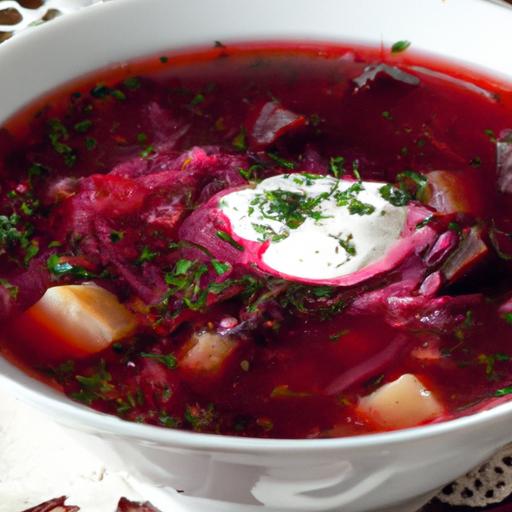

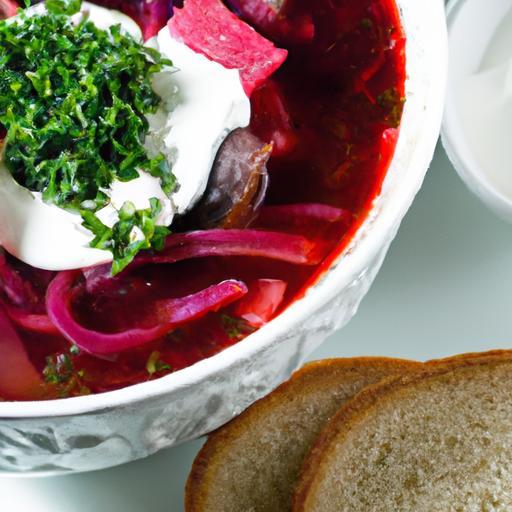
Deep crimson swirls in a steaming bowl, releasing aromas that whisper tales of rustic kitchens and hearty family gatherings. Russian borscht is more than just a beetroot soup; it is a vibrant journey into the heart of traditional flavors that have warmed generations through harsh winters and festive celebrations alike.Steeped in history and layered wiht ingredients both humble and complex, borscht invites us to explore the rich tapestry of Russian culinary heritage-where each spoonful captures a story, a culture, and a timeless embrace of comfort and community. Join us as we uncover the origins,traditions,and secrets behind this iconic dish,and discover why Russian borscht remains a beloved staple on tables around the world.
Russian Borscht is more than just a soup-it’s a hearty celebration of Eastern European heritage, rich in both flavor and history. This vibrant beetroot-based dish has journeyed through centuries, enchanting palates with its balance of sweet, tangy, and savory notes. Originating from the Ukrainian and Russian culinary traditions, borscht was traditionally prepared in homes during chilly winters, symbolizing comfort, community, and enduring family recipes passed down through generations. I still recall my grandmother’s kitchen, filled with the aroma of slow-simmered broth mingling with earthy beets and fresh dill-a sensory embrace that feels like a warm hug on a cold day. Embracing authentic russian Borscht invites you on a flavorful voyage that honors its cultural legacy while warming your soul.
Prep and Cook Time
- Preparation: 20 minutes
- Cooking: 1 hour 15 minutes
- Total Time: 1 hour 35 minutes
Yield
Serves 6 generous portions
Difficulty Level
Medium – perfect for cooks ready to elevate their home-cooked soups with rich tradition and layered flavors.
Traditional Ingredients That Define Authentic Flavor
- 3 medium beets, peeled and shredded
- 1 large carrot, peeled and grated
- 1 onion, finely chopped
- 2 medium potatoes, diced
- 1/2 small head of cabbage, thinly sliced
- 4 cups beef or vegetable broth
- 2 tablespoons tomato paste
- 2 cloves garlic, minced
- 1 bay leaf
- 1 tablespoon sugar
- 2 tablespoons white vinegar (balances the earthiness)
- salt and black pepper, to taste
- 3 tablespoons sunflower oil or vegetable oil
- Fresh dill, chopped (for garnish)
- Sour cream (for serving)
- Optional: smoked bacon or beef chunks for extra depth
step-by-Step Guide to Crafting the Perfect Borscht
- Prepare the vegetables: Peel and shred the beets and carrot; finely chop the onion and cabbage; dice the potatoes into bite-sized cubes.
- Sauté aromatics: Heat sunflower oil in a large pot over medium heat. Add onions and cook until translucent, about 4 minutes. Add garlic and sauté 1 minute more, stirring to prevent burning.
- Cook the beets and carrots: Stir in the shredded beets and grated carrots.Add 1 tablespoon of vinegar and 1 tablespoon of sugar to brighten the earthiness. Cook uncovered for 10 minutes, stirring occasionally to caramelize edges.
- Add tomato paste and broth: Mix in tomato paste and cook for 2 minutes to remove rawness. Pour in broth and bring to a gentle boil.
- Add potatoes and bay leaf: Once boiling, add diced potatoes and bay leaf. Reduce heat to medium-low and simmer 15 minutes until potatoes start to soften.
- Incorporate cabbage: Add cabbage slices and continue simmering an additional 10-15 minutes until all vegetables are tender yet vibrant.
- Season and balance flavors: Stir in remaining vinegar, salt, and pepper. Taste and adjust seasoning-this balance of tang and sweetness defines authentic Russian Borscht.
- Final touch: Remove bay leaf and discard. For a richer flavor, gently swirl in a spoonful of sour cream on each serving.
- Garnish and serve: Sprinkle fresh dill atop the soup and present hot with rye bread or garlic pampushki (Ukrainian garlic rolls) alongside.
Tips for Success
- Layer your flavors: Sautéing the beets and carrots with vinegar and sugar helps develop that signature tangy-sweet depth.
- Make it vegetarian: Substitute vegetable broth and skip meat for a lighter yet still authentic taste.
- Advance preparation: Borscht tastes even better the next day as flavors meld; store in airtight containers and gently reheat.
- Add a smoky note: Incorporate smoked bacon or cooked beef chunks in step 2 for a heartier version favored in northern regions.
- brighten with acidity: adjust vinegar levels at the end for perfect tartness; lemon juice can also work in a pinch.
Serving Suggestions and Pairings to Elevate Your Experience
Borscht is at its best when served steaming hot, complemented by creamy dollops of sour cream and freshly chopped dill for a fresh herbal lift. Plate with thick slices of rustic rye bread or classic garlic pampushki enriched with fragrant herbs and sunflower oil. for an authentic Russian dining experience,accompany the soup with hearty potato pancakes (draniki) or cold cured meats for textural contrast.
For beverages, a chilled glass of kefir or a crisp, dry white wine complements the soup’s acidity and sweetness brilliantly.

| Nutrient | Per Serving |
|---|---|
| Calories | 180 kcal |
| Protein | 5 g |
| Carbohydrates | 28 g |
| Fat | 6 g |
Discover more hearty Eastern European soups in our Eastern European soups Collection. For an in-depth history and health benefits of beets, visit Encyclopaedia Britannica – Beet.
Q&A
Q&A: Russian Borscht – A Vibrant Journey into traditional Flavors
Q1: What exactly is Russian borscht?
A1: Russian borscht is a hearty, ruby-red beet soup that pulses with the soul of Eastern European culinary tradition. It’s a vibrant tapestry of beets, cabbage, potatoes, and tender meat or beans, all simmered to create a balance of sweet, sour, and savory notes.More than just a soup, it’s a cultural emblem, warming both body and spirit.
Q2: Where did borscht originate, and how did it become associated with Russian cuisine?
A2: Borscht traces its roots to the fertile lands of Ukraine, where beets grew plentifully. Over centuries, the dish traveled through Slavic countries, finding a special place in Russian homes. Though Ukrainian in origin, Russian borscht evolved uniquely, embracing local herbs, meats, and cooking methods, making it a cherished staple on Russian tables.
Q3: What are the key ingredients that define authentic Russian borscht?
A3: At its heart, authentic Russian borscht features beets for that unmistakable crimson color and earthy sweetness. Cabbage, onions, carrots, and potatoes add texture and depth, while sour components like vinegar or lemon juice provide a vibrant tang. Often, beef or pork bones enrich the broth, and a dollop of sour cream crowns the dish for creamy contrast.
Q4: How does Russian borscht differ from other beet-based soups?
A4: While beet soups exist in various cultures, Russian borscht is distinguished by its complex layering of flavors-sweetness from beets, acidity from vinegar, and warmth from slow-cooked meat or mushrooms. Its use of cabbage and potatoes adds body, making it more than a simple vegetable broth. The customary garnish of fresh dill and sour cream also contributes to its unmistakable profile.Q5: Is there a traditional way to serve borscht?
A5: Absolutely! Russian borscht is traditionally ladled steaming hot into bowls, then adorned with a generous spoonful of sour cream. Fresh dill or parsley is sprinkled over the top, and it’s frequently enough accompanied by dark rye bread or “pampushki” (garlic buns) on the side. The interplay of creamy, fresh, and hearty elements elevates every spoonful.
Q6: Can borscht be enjoyed year-round, or is it seasonal?
A6: Though cherished in winter for its warming qualities, borscht transcends seasons. In summer, it’s sometimes served chilled, highlighting the freshness of its ingredients. Its versatile nature means it can comfort during cold months and refresh during warm days, transforming with the rythm of the seasons.
Q7: Why is borscht considered more than just a dish in Russian culture?
A7: Borscht symbolizes hospitality, family, and tradition. Passed down through generations, it represents the heart of communal meals and festive gatherings. The process of preparing borscht-slow simmering, layering flavors, and sharing the result-embodies patience and togetherness, turning a simple soup into a cultural ritual.
Q8: How can modern cooks experiment with Russian borscht?
A8: While honoring classic methods, contemporary chefs infuse borscht with new life by incorporating ingredients like smoked meats, vegan twists using mushrooms or legumes, or creative garnishes such as crème fraîche mixed with horseradish. Playing with presentation-serving it as a sauce or even a cold dip-can reimagine this timeless soup for modern palates.
Q9: are there health benefits to eating Russian borscht?
A9: Indeed. Packed with nutrient-rich beets, borscht boasts antioxidants, vitamins, and minerals that support heart health and digestion. The inclusion of fresh vegetables and lean proteins further boosts its nutritional value, making it a wholesome comfort food that nurtures both body and soul.
Q10: Where can one experience the most authentic taste of Russian borscht?
A10: While many restaurants worldwide offer their versions, the most authentic experience unfolds in Russian homes, where recipes have been lovingly preserved across generations. Traveling to Russia, seeking out family-run eateries or markets, provides an immersive journey into the soul-stirring flavors and stories steeped in every bowl of borscht.
Wrapping Up
As we close the pot on our vibrant journey through Russian borscht, it’s clear that this iconic beetroot soup is far more than a mere dish-it is a flavorful tapestry woven from history, culture, and community.Each spoonful tells stories of Russian hearths warmed by generations of cooks, of rich soils yielding earthy beets, and of traditions preserved through the simple act of sharing a meal. Whether served steaming hot or chilled in summer’s embrace, borscht invites us not only to taste but to experience a heritage deeply rooted in the heart of Russia. So next time you savor a ruby-red bowl, remember you’re partaking in a culinary voyage that transcends time, offering both nourishment and a vibrant connection to a world of traditional flavors.