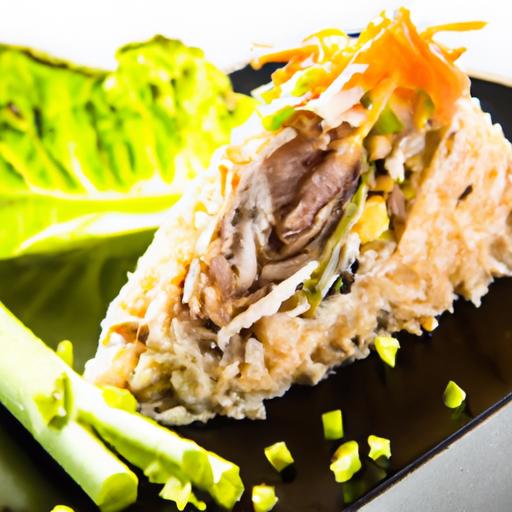

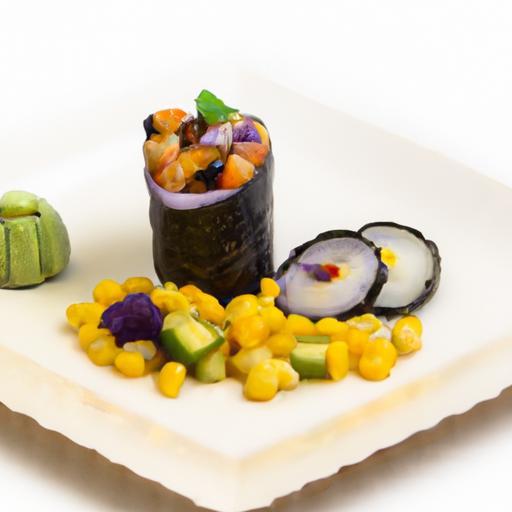
In the world of sushi, every detail matters, but none is as foundational-or as deceptively complex-as the rice. Beneath the glossy surface of a perfectly crafted nigiri lies a symphony of texture, flavor, and technique that transforms humble grains into a culinary masterpiece. Welcome to the art of Sushi Rice Secrets: The Art of perfect Grain Perfection, where we unravel the time-honored methods and subtle nuances that elevate simple rice into the soul of sushi. Whether you’re a seasoned chef or a curious home cook, prepare to delve into the precise science and delicate craftsmanship that make sushi rice the unsung hero of Japan’s beloved cuisine.
sushi Rice Secrets: The Art of perfect Grain Perfection
Unlocking the true magic behind authentic sushi begins with mastering every step of the rice preparation. The journey to flawless, sticky grains starts by choosing the right rice variety, washing and soaking it meticulously, than elevating it with the perfect vinegar blend. Each detail crafts a foundation worthy of world-class sushi, turning a humble grain into a canvas bursting with flavor and texture.
Prep and Cook Time
- Preparation: 30 minutes (including washing and soaking)
- Cooking: 20 minutes
- Total Time: 50 minutes
Yield
approximately 3 cups of seasoned sushi rice (enough for 4-5 sushi rolls or 12 nigiri pieces)
Difficulty Level
Medium – requires patience and precision but yields rewarding results
Ingredients
- 2 cups Japanese short-grain sushi rice
- 2 1/4 cups cold water (for cooking)
- 1/4 cup rice vinegar (unseasoned)
- 3 tablespoons granulated sugar
- 1 teaspoon fine sea salt
Instructions
- Rinse the rice thoroughly: Place the sushi rice in a large bowl and cover with cold water. Swirl gently with your hand, then pour off the cloudy water.Repeat rinsing 4-5 times until the water runs nearly clear, which removes excess starch and prevents clumping.
- Soak the rice: After the final rinse, soak the rice in fresh cold water for 30 minutes. This allows the grains to absorb water evenly, assuring a tender yet chewy texture upon cooking.
- Cook the rice: Drain the soaking water entirely. Transfer the rice to a heavy-bottomed pot or rice cooker, add 2 1/4 cups cold water, then cover and cook according to your device’s instructions. If using stovetop, bring to a boil, reduce to low heat, and simmer 18 minutes without lifting the lid.
- Prepare the vinegar mixture: While rice cooks,mix rice vinegar,sugar,and salt in a small saucepan over low heat until sugar dissolves. Remove from heat and let cool to room temperature. This delicate seasoning is key for that classic sushi rice tang and shine.
- Cool and season the rice: Once cooked, transfer rice to a wide, shallow wooden or glass bowl (traditionally a wooden “Hangiri” is ideal). Immediately sprinkle the vinegar mixture evenly over the rice. Using a wooden paddle or spatula, gently fold and fan the rice simultaneously to cool it quickly and evenly. This technique helps each grain achieve that perfect, glistening finish.
- Store properly: Cover the rice with a damp cloth to prevent drying while it reaches room temperature. Use sushi rice within 2 hours for optimal freshness and texture-avoid refrigeration, which hardens the grains.
Tips for success
- Selecting rice: Always opt for true Japanese short-grain rice labeled for sushi. Medium or long-grain will not yield the sticky cohesion needed.
- Water ratio: Adjust slightly based on humidity and rice age; drier, older rice may need a touch more water.
- Cooling method: the fanning during seasoning isn’t just tradition-it cools the rice fast to preserve texture and prevents surprise sogginess.
- Make-ahead tip: Sushi rice is best fresh, but if needed, gently re-steam leftover rice to restore moisture without drying out.
- Vinegar variations: Experiment with adding a small piece of kelp (kombu) to the vinegar mixture for an umami boost.
Serving Suggestions
Present the seasoned sushi rice as the heart of your sushi creations-whether wrapped in crisp nori for maki rolls, molded by hand for nigiri, or laid under slices of fresh sashimi. Garnish finished pieces with toasted sesame seeds, thinly sliced scallions, or a delicate brush of soy sauce. For an interactive experience, serve alongside pickled ginger and wasabi to let guests customize each bite.

| Nutrient | Amount per Serving |
|---|---|
| Calories | 240 |
| Protein | 4g |
| Carbohydrates | 53g |
| Fat | 0.5g |
For more details on sushi techniques, check out our Ultimate Guide to Sushi Rolls. to deepen your understanding of rice varieties globally, visit the International Rice Research institute.
Q&A
Q&A: Sushi Rice Secrets – The Art of Perfect Grain Perfection
Q: Why is sushi rice so vital in making sushi?
A: Sushi rice isn’t just a base; it’s the heart and soul of every sushi bite. Perfectly seasoned and cooked, it balances the delicate flavors of the fish and adds that iconic slightly sticky texture that holds everything gracefully together. Without spot-on sushi rice, even the freshest fish can fall flat.
Q: What makes sushi rice different from regular rice?
A: Sushi rice is a specific type of short-grain rice known for its stickiness and ability to clump together. Unlike long-grain varieties,its higher starch content ensures those grains meld into one cohesive,slightly chewy mass-ideal for rolling and picking up in chopsticks. Plus, the magic happens after cooking, with a special blend of vinegar, sugar, and salt enhancing its flavor.
Q: How do you achieve the perfect texture for sushi rice?
A: It’s a delicate dance of precision! Start by rinsing the rice thoroughly until the water runs clear-this removes excess starch and prevents clumping. Then, cook with the exact rice-to-water ratio (usually 1:1.2) for that tender but firm bite. Once cooked, spread it out and fan while gently folding in the seasoned vinegar mix-that cooling and coating step sets the texture and shine.
Q: What’s the secret ingredient in sushi rice seasoning?
A: The magic lies in the balance: rice vinegar, a touch of sugar, and a pinch of salt. This trio isn’t just seasoning-it subtly enhances the rice’s natural sweetness and adds a tangy brightness. Some chefs add a hint of kombu (kelp) during the seasoning stage to infuse umami depth. The key? Adjusting each component to harmonize without overpowering.
Q: Can you use other vinegars or sweeteners?
A: True sushi aficionados swear by rice vinegar for its mild acidity and clean flavor. tho, if you’re adventurous, apple cider vinegar can work in a pinch, though it alters the taste profile slightly. As for sweetness, granulated sugar is classic, but a delicate honey or mirin can add nuanced sweetness. Experimentation is welcome-just remember, subtlety is king.
Q: How important is the cooling process after cooking?
A: Hugely important! Cooling the rice quickly with gentle fanning prevents it from becoming mushy and helps achieve that perfect glossy finish. This also allows the vinegar seasoning to absorb evenly. Too hot, and it turns sticky and heavy; too cold, and it loses that desirable pliability.
Q: Can sushi rice be made ahead of time?
A: Freshness is best, always. Sushi rice tastes optimal if used within a few hours of preparation. Once it cools and sits too long, it hardens and loses moisture, making the sushi experience less delightful. If you must prepare ahead, keep it covered with a damp cloth at room temperature but no more then a few hours.
Q: Any final tips for sushi rice perfection?
A: Treat sushi rice like an artisan’s canvas-respect its nuances. Invest time in rinsing, measuring, and seasoning precisely. Use quality short-grain rice and authentic rice vinegar. And remember, patience and practice turn these humble grains into an unforgettable sushi foundation.Master sushi rice, and you master the art of sushi itself!
Concluding Remarks
Mastering the art of sushi rice is much more than following a recipe-it’s a delicate dance of precision, patience, and passion. Each perfect grain tells a story of careful washing, exact water ratios, and that crucial seasoning balance. As you embrace these sushi rice secrets, you’re not just crafting a foundation for sushi; you’re honoring a timeless tradition that transforms humble grains into a sublime culinary experience. So next time you prepare sushi rice, remember: perfection lies in the details, and with practice, those pearly, glossy grains will always sing the true taste of artistry.