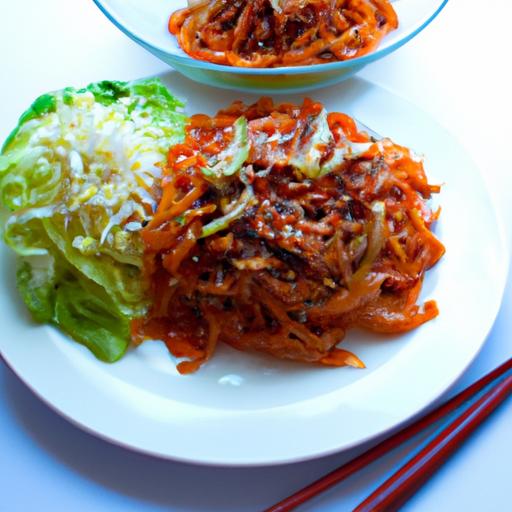

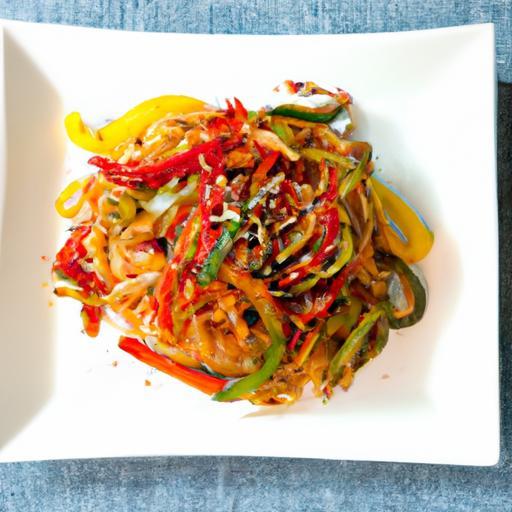
In the vibrant world of global cuisine, few ingredients ignite the senses quite like koreas iconic gochujang. This fiery red chili paste, bursting with a perfect balance of heat, sweetness, and umami, has transcended customary dishes to become a beloved staple in kitchens worldwide. Among the many culinary creations it inspires, gochujang noodles stand out as a tantalizing fusion of bold flavors and comforting textures. Join us as we delve into the spicy, savory, and utterly addictive realm of gochujang noodles – a dish that promises to set yoru taste buds ablaze and your heart craving more.
Fiery Flavor Fusion: Exploring Spicy Korean Gochujang Noodles delivers an unforgettable culinary experience by weaving together centuries of Korean tradition with bold, contemporary flair. This iconic dish, elevated by the mesmerizing depth of gochujang, invites you on a sensory journey where savory heat meets velvety umami. As a Food Stylist and Culinary Content Creator, I first discovered this dish on a chilly Seoul evening, where a bowl of teeming spicy noodles instantly warmed my soul – a testament to gochujang’s magical versatility and cultural reverence.
Prep and Cook Time
- Planning: 15 minutes
- Cooking: 20 minutes
- Total Time: 35 minutes
Yield
Serves 4 generous bowls
Difficulty Level
Medium – approachable for home cooks ready to embrace authentic Korean flavors
Ingredients
- 12 oz fresh or dried Korean wheat noodles (somyeon or udon work well)
- 3 tbsp traditional gochujang (Korean fermented chili paste)
- 2 tbsp soy sauce (low sodium preferred)
- 1 tbsp toasted sesame oil
- 1 tbsp vegetable oil
- 2 cloves garlic, minced
- 1 tsp ginger, finely grated
- 1 tbsp sugar or honey
- 2 cups napa cabbage, thinly sliced
- 1 medium carrot, julienned
- 1/2 cup scallions, sliced
- 1/4 cup water or vegetable broth
- 1 tsp chili flakes (optional, for extra heat)
- Sesame seeds and nori strips for garnish
- 1 soft-boiled egg per serving (optional but highly recommended)
Instructions
- Cook the noodles according to package directions until just tender.Drain and rinse under cold water to stop cooking and prevent sticking. Set aside.
- Prepare the sauce: In a small bowl, whisk together gochujang, soy sauce, sesame oil, sugar, and water/broth until smooth. This spicy-sweet sauce will be the backbone of your noodle bowl.
- Sauté aromatics: Heat vegetable oil in a large skillet or wok over medium heat. add minced garlic and grated ginger, cooking until fragrant – about 1-2 minutes. Take care not to burn.
- Add vegetables: Toss in the napa cabbage and carrot, sautéing until just tender but still crisp, about 3-4 minutes. Season lightly with salt to enhance thier natural sweetness.
- Combine noodles and sauce: Return the noodles to the pan. Pour the prepared gochujang sauce over them, tossing vigorously to coat everything evenly with that gorgeous, shiny red glaze. If the mixture is too thick,add a splash more water or broth to loosen and intensify the sauce’s cling.
- Heat through for another 2-3 minutes, allowing the noodles to absorb the fiery flavors wholly. Stir in sliced scallions and optional chili flakes here for that extra kick.
- Serve instantly: Divide noodles into bowls. Garnish each with a perfectly soft-boiled egg, toasted sesame seeds, and shredded nori for a beatiful finish. The contrast of textures and colors will make your dish irresistible.
Tips for Success
- Adjust spice levels by moderating the amount of gochujang and chili flakes; this dish is forgiving and perfect for tweaking according to your heat tolerance.
- To add protein, stir-fry thinly sliced beef, tofu, or shrimp before adding vegetables for a heartier bowl.
- Prep in advance: Whisking the sauce ahead of time saves mess and streamlines cooking.
- Use fresh noodles if available, but make sure not to overcook them-they should maintain a slight chew to absorb the robust sauce beautifully.
- If you prefer a thinner sauce, try mixing in a teaspoon of rice vinegar for subtle balance and brightness.
Serving Suggestions
this noodle bowl shines when partnered with traditional Korean sides like kimchi or a crisp cucumber salad. Present with a sprinkle of fresh scallions and a drizzle of toasted sesame oil for inviting aroma and texture contrast.
Pair the meal with chilled makgeolli (Korean rice wine) or a light lager to counterbalance the spice and add effervescent freshness. For a non-alcoholic option, try a simple iced barley tea with a hint of lemon.
Serving this dish in deep bowls encourages everyone to savor every last strand of noodle and burst of flavor – a true celebration of Korea’s fiery culinary heritage.

| Nutrient | Per Serving |
|---|---|
| Calories | 420 kcal |
| Protein | 12 g |
| Carbohydrates | 58 g |
| Fat | 12 g |
For a deeper dive into Korean cuisine and more appetizing spicy creations, explore our Korean Cuisine Guide and discover the vibrant world of bold flavors waiting in every bite.
Q&A
Q&A: Fiery Flavor Fusion – Exploring Spicy Korean Gochujang Noodles
Q1: What exactly is gochujang, and why is it so central to Korean cuisine?
A1: Gochujang is a vibrant, fermented red chili paste made from chili powder, glutinous rice, fermented soybeans, and salt.It’s a cornerstone of Korean cooking, celebrated for its unique balance of spicy heat, savory depth, and subtle sweetness. This complex flavor profile makes it a perfect catalyst for dishes that crave boldness and umami.
Q2: How do gochujang noodles stand out from other spicy noodle dishes?
A2: Unlike typical spicy noodles that rely on chili oil or hot sauce,gochujang noodles deliver a layered heat – the fiery kick is married with a sweet,tangy,and slightly fermented bite. This fusion creates a harmonious flavor journey where the spice doesn’t overpower but dances alongside complimentary tastes. Plus, the paste’s thick, sticky texture clings lovingly to every strand, enriching each mouthful.
Q3: Can you describe the typical ingredients and toppings that accompany gochujang noodles?
A3: Gochujang noodles frequently enough feature chewy wheat noodles tossed in a luscious gochujang sauce.Common add-ons include fresh vegetables like julienned carrots, cucumbers, and scallions to add crunch and freshness. A sprinkle of toasted sesame seeds or crushed peanuts introduces nuttiness, while soft-boiled eggs or silky tofu provide creaminess that calms the spice storm. Sometimes, protein such as grilled chicken or marinated beef amps up the dish’s heartiness.
Q4: Is gochujang noodles’ spice level adjustable for those new to Korean heat?
A4: absolutely! The dish is wonderfully adaptable. Beginners can start with a small dollop of gochujang blended with a touch of honey or sugar to mellow the spice, while seasoned thrill-seekers can pile on chili flakes or extra paste for a blazing feast. it’s all about balancing fiery heat with the sweet,fermented undertones that make gochujang so enchanting.
Q5: how did gochujang noodles become popular outside Korea?
A5: The global food scene’s love affair with Korean flavors has skyrocketed thanks to the rise of K-pop, K-dramas, and adventurous foodies craving novel tastes. Gochujang noodles captured imaginations with their bold, vibrant taste and Instagram-worthy appeal. Chefs worldwide have embraced the paste, experimenting in fusion cuisines that celebrate spicy, savory-sweet combinations.
Q6: What’s the best way to enjoy gochujang noodles at home?
A6: Start with fresh,high-quality noodles,and don’t shy away from making your own sauce by mixing gochujang with a splash of soy sauce,sesame oil,garlic,and a pinch of sugar. Keep your toppings fresh and varied to balance textures and flavors. Serve chilled on a warm day for refreshing heat or hot and steamy when you crave comfort.Pair with a crisp cucumber salad or a cold barley tea to round off the experience.
Q7: Any insider tips for mastering the perfect gochujang noodle dish?
A7: Yes! Let the sauce mingle for at least 10 minutes before tossing your noodles to deepen the flavor.Toast your sesame seeds for that extra nutty aroma. if you want a smoky edge, lightly grill your proteins or vegetables. And don’t forget the acid- a squeeze of lime or a drizzle of rice vinegar can brighten the dish and elevate its fiery complexity.
Dive into the fiery, flavorful world of gochujang noodles and discover how this Korean staple spices up your noodle game, one delicious bite at a time!
Concluding Remarks
As the vibrant heat of gochujang ignites your palate and the tender noodles wrap you in their savory embrace, it’s clear that this spicy Korean staple is more than just a dish-it’s a bold celebration of flavor and culture. Whether you’re a seasoned spice lover or a curious culinary adventurer, exploring gochujang noodles invites you to experience a fiery fusion that’s as dynamic as it is delicious. So next time your taste buds crave a kick,let gochujang’s rich,complex heat guide you through a noodle journey that’s as thrilling as it is indeed satisfying.Embrace the spice, savor the tradition, and keep the flames of flavor burning bright.