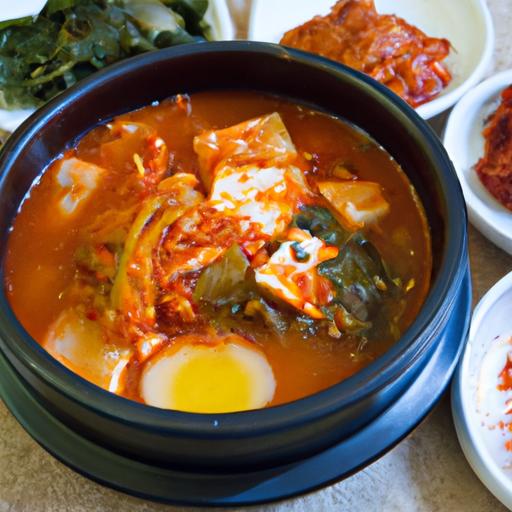

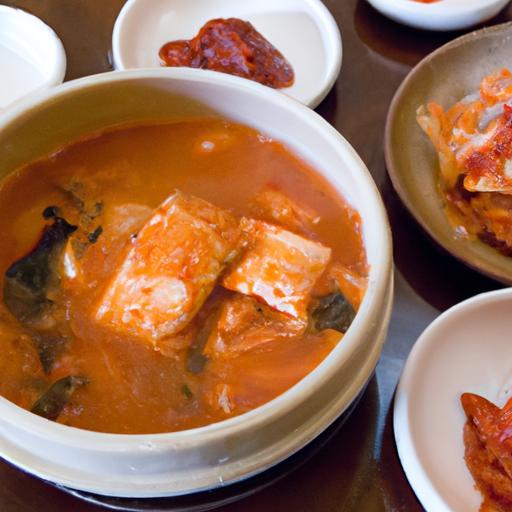
There’s a story simmering in every pot of kimchi jjigae-a vibrant blend of history, culture, and bold flavors that dance on the palate with every spoonful.This beloved Korean stew, crafted from aged kimchi, tender pork, and a medley of savory ingredients, is much more than comfort food; it’s a culinary ritual passed down through generations. Whether you’re a seasoned foodie or a curious kitchen adventurer, mastering the art of kimchi jjigae opens the door to savoring an authentic taste of Korea’s rich gastronomic heritage.Join us as we unravel the secrets behind this flavorful staple and guide you step-by-step to creating a stew that warms both heart and soul.
Master the art of Kimchi Jjigae begins with selecting the right kimchi and fresh, high-quality ingredients that bring this iconic Korean stew to life. This beloved dish carries the soul of Korean comfort food, infused with deep, tangy, and spicy nuances that warm both the body and spirit. Whether you are recreating family memories or exploring Korean cuisine for the first time, understanding how to balance flavors and textures unlocks the true magic of Kimchi Jjigae.
Prep and Cook Time
- Preparation: 15 minutes
- Cooking: 30 minutes
- Total Time: 45 minutes
Yield
Serves 4 hearty portions
Difficulty Level
medium – approachable for adventurous home cooks ready to layer flavors
Ingredients
- 2 cups well-fermented kimchi, cut into bite-sized pieces
- 200g pork belly, thinly sliced
- 1/2 cup kimchi juice (reserved from your kimchi jar)
- 1 medium onion, sliced
- 3 cloves garlic, minced
- 1 tsp ginger, finely grated
- 1 tbsp Korean red chili flakes (gochugaru)
- 1 tbsp soy sauce
- 1 tbsp sesame oil
- 4 cups anchovy stock (or vegetable broth for vegetarian option)
- 200g firm tofu, cubed
- 2 stalks green onions, chopped (white and green parts separated)
- 1 tsp sugar (optional, to balance acidity)
- cooked short-grain rice, for serving
Instructions
- Prepare the stock: Begin by bringing your anchovy stock to a simmer in a heavy-bottomed pot. This rich base is essential for that quintessential umami depth in Kimchi Jjigae.
- Sauté aromatics and pork: In a separate pan,heat sesame oil over medium heat. Add pork belly slices and cook until lightly browned and just starting to crisp, about 4-5 minutes. Add minced garlic and grated ginger, stirring until fragrant, approximately 1 minute.
- incorporate kimchi and vegetables: add kimchi and onion slices to the pork mixture. Sauté together, stirring occasionally, for 5 minutes to enhance the fermented aroma and soften the kimchi.
- Build the stew base: Transfer the pork and kimchi mixture into the simmering stock. Stir in kimchi juice, soy sauce, and gochugaru to achieve a harmonious red hue and spicy kick. Taste and add sugar if acidity is too pronounced.
- Simmer for flavor melding: Reduce heat and simmer the stew gently for 20 minutes. This slow melding enriches flavor layers and tenderizes the pork. Stir occasionally to prevent sticking.
- Add tofu and green onion whites: Gently fold in tofu cubes and the white parts of green onion. Simmer for another 5 minutes to heat through without breaking apart the tofu.
- Finish and garnish: Turn off heat, sprinkle the green parts of the green onion on top for fresh crunch and color contrast. Serve hot alongside steamed rice to soak up the vibrant broth.
Tips for Success
- Choosing kimchi: Opt for well-fermented, robust kimchi – the deeper the fermentation, the richer the stew flavor. Avoid overly salty or excessively young kimchi to maintain balanced taste.
- Spice adjustment: Control the heat by modulating the amount of gochugaru and selecting kimchi’s spice level. For a milder experience, reduce chili flakes and remove chili seeds from your kimchi.
- Protein alternatives: For vegetarian Kimchi Jjigae, replace pork belly and anchovy stock with mushrooms and vegetable broth.
- Make-ahead notes: kimchi Jjigae often tastes even better the next day as flavors further develop. Store in an airtight container and gently reheat on the stovetop.
- Texture tips: Avoid over-stirring after adding tofu to keep it intact. Use firm or extra-firm tofu for the best texture retention.
Serving Suggestions
This stew truly shines when served bubbling hot in a traditional korean stone pot (dolsot) or a rustic earthenware bowl to retain heat. Garnish with a few fresh green onions, a drizzle of toasted sesame oil, or a sprinkle of toasted sesame seeds for added aroma and texture contrast. Complement with a side of steamed short-grain rice to absorb the tangy, spicy broth. For an elevated dining experience,serve alongside classic Korean side dishes like pickled radish or stir-fried spinach.
Creative twists include stirring in a raw egg just before serving for richness or adding instant ramen noodles in the final minutes for a comforting noodle stew variation.

| Nutrient | Per Serving |
|---|---|
| Calories | 320 kcal |
| Protein | 23 g |
| Carbohydrates | 14 g |
| Fat | 18 g |
For deeper insight into Korean spices and fermentation, visit The Korean Culture and Data Service.
Q&A
Q&A: Master the Art of Kimchi Jjigae – A Flavorful Recipe Guide
Q1: what exactly is Kimchi Jjigae?
A1: Kimchi jjigae, often dubbed Korea’s ultimate comfort stew, is a bubbling pot of savory, spicy goodness centered around well-fermented kimchi. It’s a hearty dish that marries tangy kimchi with tender pork,tofu,scallions,and a rich broth,delivering layers of umami that warm both the belly and soul.
Q2: Why is Kimchi Jjigae considered a must-try in Korean cuisine?
A2: beyond its bold flavors, Kimchi Jjigae carries cultural importance-it’s a dish born from resourcefulness, traditionally made to repurpose aging kimchi into something even more delicious. Its balanced harmony of spice, acidity, and depth makes it a staple at Korean tables, loved for its versatility and comforting qualities.
Q3: What are the key ingredients to master a flavorful Kimchi Jjigae?
A3: The heart of the stew is ripe, well-fermented kimchi for that signature tang. From there, quality pork belly or shoulder adds richness, while soft tofu brings a gentle texture contrast. Aromatics like garlic, ginger, and scallions deepen the character, and gochugaru (Korean chili flakes) plus gochujang (red chili paste) ramp up the heat and complexity. A splash of sesame oil and a dash of soy sauce round out the umami symphony.
Q4: How do I choose the right kimchi for my stew?
A4: Look for kimchi that’s aged enough to have developed that punchy, sour flavor-usually at least a few weeks old.Younger kimchi lacks the depth, and the stew may taste flat. The best kimchi for jjigae is vibrant, with a luminous red hue and a pleasingly pungent aroma that promises a robust broth.
Q5: Can Kimchi Jjigae be customized for different palates?
A5: Absolutely! Want it milder? Use less gochugaru and gochujang, or swap pork for milder proteins like tofu-only or seafood. Prefer it extra spicy? Double down on chili and add fresh chopped chilies. Vegetarians can omit pork altogether and boost umami with mushrooms or fermented soybean paste (doenjang). Kimchi Jjigae is flexible-a canvas for your taste buds.
Q6: What’s the secret to achieving the perfect balance of flavors?
A6: Patience is key.Sautéing kimchi and pork first to caramelize edges unlocks sweetness beneath the spice. Simmering gently helps the flavors meld beautifully,while tasting along the way lets you adjust saltiness and heat. Don’t rush-letting the stew rest off the heat also deepens its flavor.
Q7: How should Kimchi Jjigae be served and enjoyed?
A7: Traditionally,Kimchi Jjigae is served piping hot in a stone pot,accompanied by steamed rice and an array of banchan (side dishes).It’s meant to be shared, each spoonful savored while the broth steams and the aroma fills the room. Pair it with a crisp, cold beer or a light soju for an authentic Korean dining experience.
Q8: Can I store Kimchi Jjigae leftovers? How do I reheat it?
A8: Leftovers keep beautifully in the fridge for 2-3 days-the flavors often deepen overnight! Reheat gently on the stove over medium-low heat,stirring occasionally to prevent scorching. The stew may thicken as it cools; just add a splash of water or broth to restore its luscious texture before serving.
With these insights and tips, you’re ready to don your apron and dive into the vibrant world of Kimchi Jjigae. Mastering this stew means embracing bold flavors, celebrating tradition, and crafting a feast that’s as heartwarming as it is delicious. Enjoy your cooking adventure!
to sum up
As the fragrant steam rises from your pot of kimchi jjigae, you’re not just savoring a spicy, comforting stew-you’re partaking in a rich culinary tradition that has warmed Korean tables for generations.Mastering this artful recipe opens the door to endless variations, each bubbling with bold flavors and soulful depth. Whether you’re a seasoned kitchen pro or a curious foodie, embracing the craft of kimchi jjigae invites you to explore the harmony of tangy kimchi, savory broth, and tender ingredients in every spoonful. So gather your favourite additions, ignite your stove, and let this flavorful guide be your passport to a stew that’s as heartwarming as it is unforgettable.